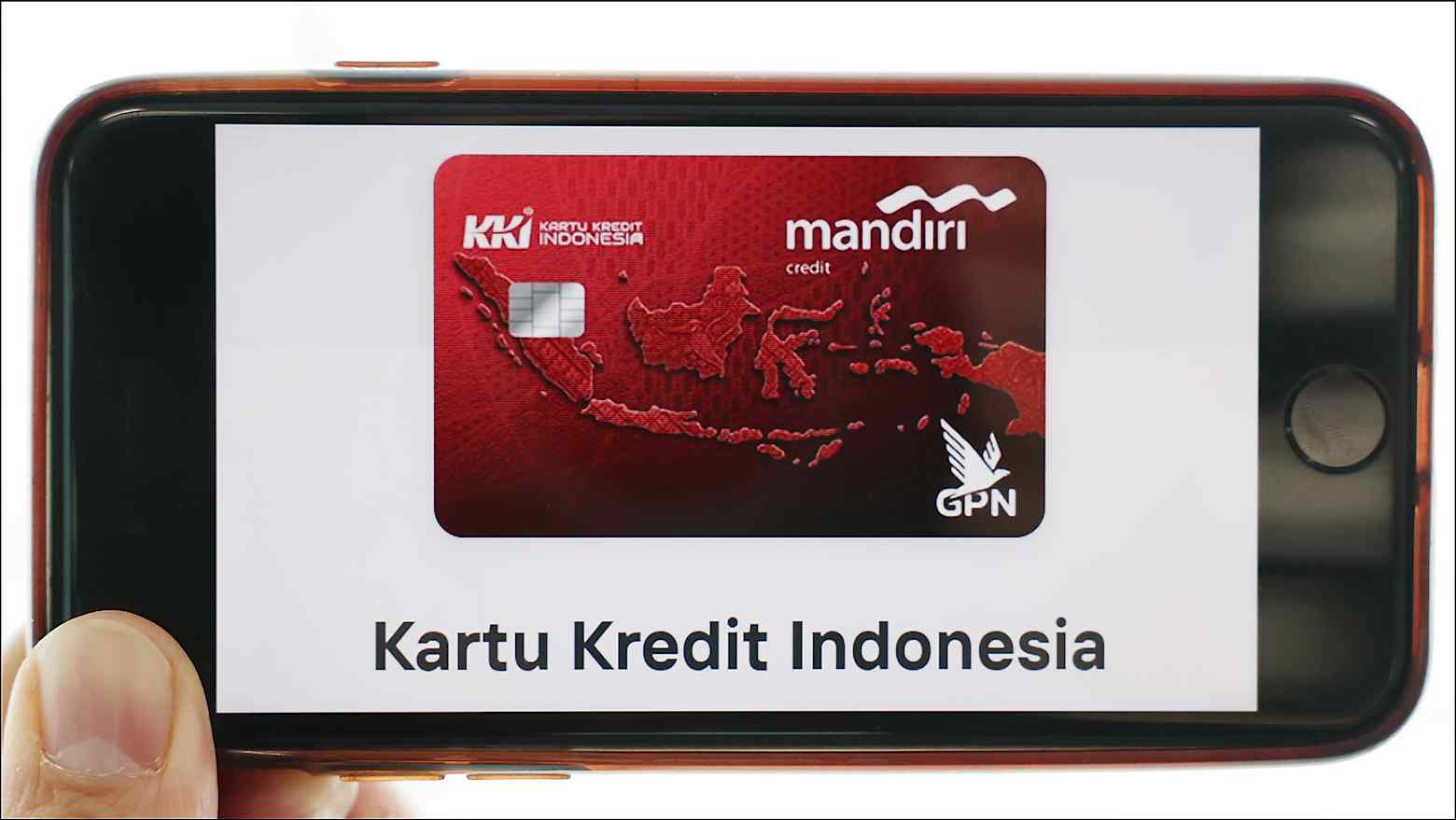
Indonesia is pushing deeper into a project that most cardholders will barely notice but that Visa and Mastercard have every reason to watch closely. Bank Indonesia, the central bank, is extending its domestic payment network into the credit card market through a system branded Kartu Kredit Indonesia, or KKI, teaming up with major local lenders to route card transactions through home-grown rails rather than the global networks that have long carried them.
The logic is national as much as commercial. When an Indonesian shopper taps a Visa or Mastercard, the transaction has typically been processed through infrastructure that sits outside the country, sending fees abroad and moving payment data across borders. KKI is designed to keep that processing onshore, so a purchase between an Indonesian buyer, an Indonesian bank, and an Indonesian merchant stays inside Indonesia from start to finish. For a central bank focused on financial sovereignty, that is the whole appeal.
From debit to credit
This is not the country's first move of the kind. Indonesia built a national payment gateway years ago to bring domestic debit transactions onto local rails, and KKI is the natural extension of that effort into credit. Major banks, including Bank Mandiri, are issuing cards that carry the KKI mark and process domestic transactions through the local system, a step that turns a policy ambition into plastic in people's wallets.
The timing tracks a shift in how Indonesians pay. Younger consumers have been embracing credit and other forms of borrowing at a faster pace, expanding a market that was historically small relative to the size of the population. Building domestic infrastructure now, while the credit habit is still forming, lets the central bank shape the rails before the international networks entrench themselves as deeply in credit as they have elsewhere. Bank Indonesia has paired the effort with support for consumer lending, tying the payment plumbing to the broader goal of deepening domestic finance.
Why the incumbents should care
For Visa and Mastercard, Indonesia is not a market to lose lightly. It is Southeast Asia's largest economy and one of the most populous countries on earth, with a young, digitizing consumer base that represents years of future card growth. A credible domestic alternative that captures even a slice of that flow, especially the routine domestic transactions that make up the bulk of volume, chips directly at the fee income the networks rely on and at their claim to be indispensable.
The threat is less about an overnight collapse than about a ceiling. Domestic schemes tend to be strongest in exactly the everyday, local payments where they can be mandated or nudged into use, while the international networks keep their advantage in cross-border spending, travel, and premium products. The realistic outcome is not that KKI replaces Visa and Mastercard, but that it caps how much of Indonesia's growing payment economy the American giants get to keep, and that alone reshapes the economics of operating there.
The read from Southeast Asia
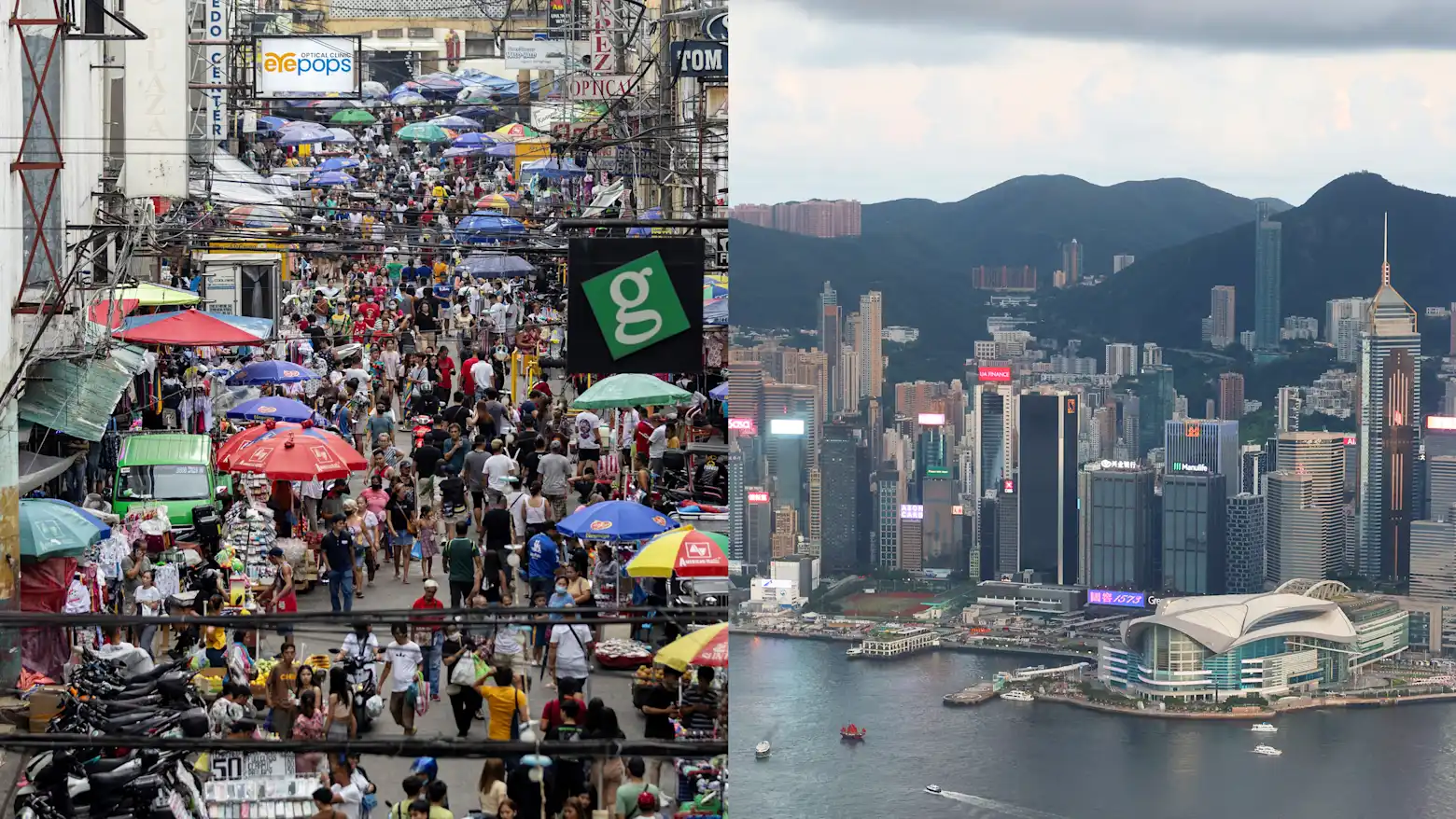
Indonesia is not acting in isolation, and that is the part worth watching. Across Southeast Asia, governments have been building domestic payment systems and stitching them together, from national card schemes to the fast-spreading QR standards that already let people pay across borders within the region without touching a Western network. KKI is another brick in that wall, part of a coordinated regional instinct to own the plumbing of money rather than rent it from abroad.
The direction of travel is clear. As Southeast Asia's payment networks mature and interconnect, the region is slowly assembling an alternative to the card duopoly that has dominated global consumer payments for decades. None of it displaces Visa and Mastercard tomorrow, and cross-border and premium spending will keep them relevant for a long time. But every domestic system that goes live, and every link built between them, moves a little more of the region's payment value, and the data and fees that come with it, out of foreign hands and into local ones. For businesses operating across the region, the payment rails of the next decade are being laid now, and increasingly they are being laid at home.