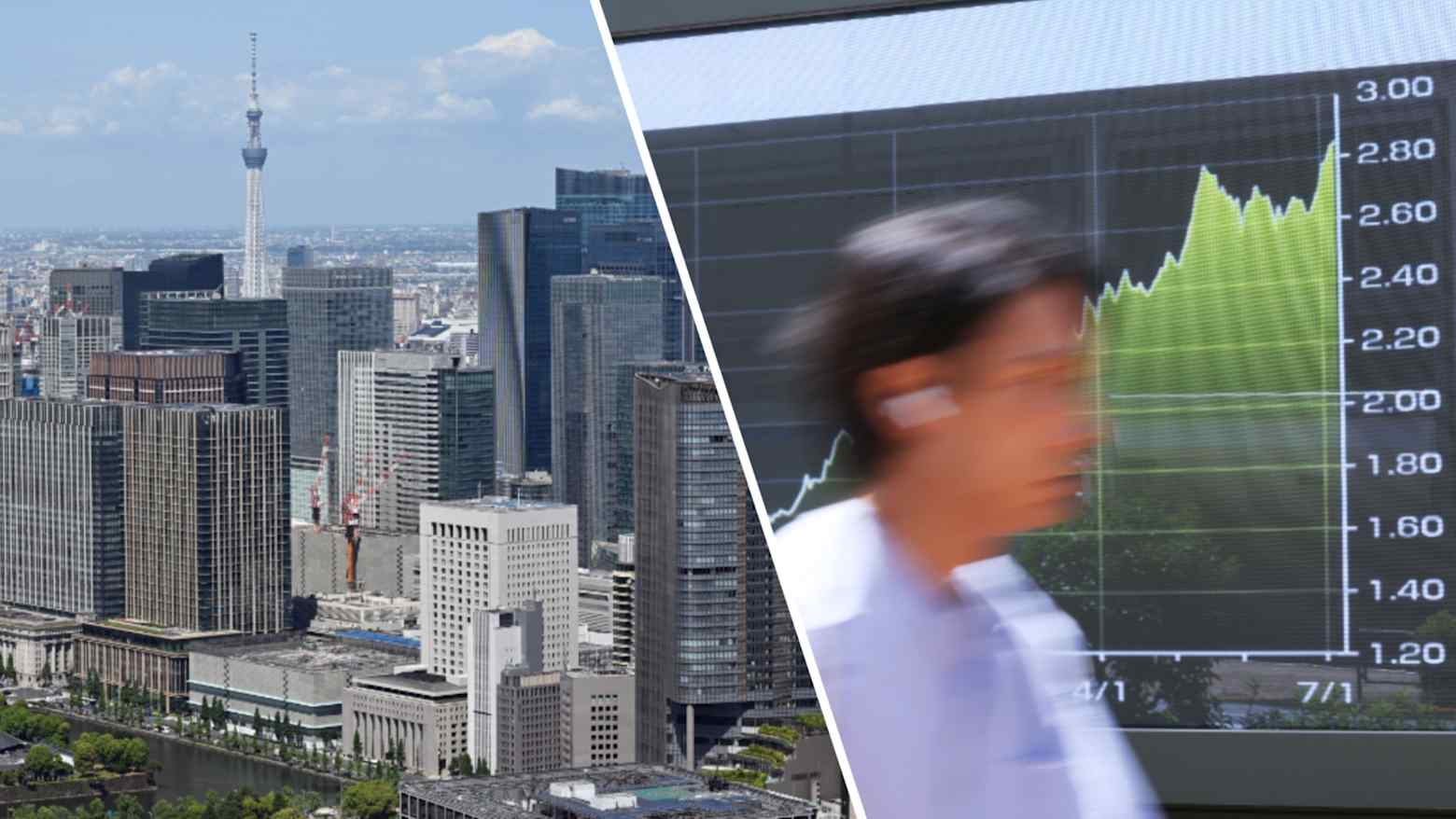
Japanese companies are piling into commercial paper, the short-term corporate debt that firms use to raise money for a few months at a time, and the scale of the move is striking. Corporate holdings of the instrument have doubled over the past two years and now sit at their highest level in 17 years. On its face this is a dry treasury story, but underneath it is one of the clearest signs yet that the economics of holding money in Japan have fundamentally changed.
For most of the past two decades, cash in Japan simply sat still. With interest rates pinned near zero and prices flat or falling, there was little penalty for leaving corporate money in a bank deposit earning nothing, because nothing was roughly what everything else paid too. Treasurers had no reason to work their cash, and a whole generation of finance departments grew up in a world where idle balances were normal and yield was a foreign concept.
Inflation changes the math
Inflation has ended that comfortable stupor. When prices are rising, cash that earns nothing is quietly losing value every month, and the opportunity cost of leaving money idle becomes real rather than theoretical. At the same time, the Bank of Japan's long march away from ultra-loose policy has finally put positive yields back on short-term instruments, so parking cash in commercial paper now actually pays something. The combination gives companies both a reason to move and a place to move to.
Commercial paper is the natural destination for that impulse. It offers a return better than a plain deposit while keeping money liquid and low risk, maturing quickly enough that a company can pull its cash back when it needs it. For a treasurer trying to protect the value of a large balance without locking it away, short-dated corporate debt is close to an ideal middle ground, which is exactly why holdings have surged to levels not seen since before the global financial crisis.
A behavioral shift, not just a trade
The deeper significance is behavioral. Japanese corporations are famous for sitting on enormous cash piles, a habit built during decades of deflation when hoarding was rational and every yen felt scarce. A move into yield-bearing short-term debt suggests those same companies are starting to manage their money actively rather than simply store it, treating the balance sheet as something to be optimized rather than a vault to be guarded. That is a mindset change as much as an investment decision.
It also points to where things could go next. Active management of cash is often the first step, and if inflation and positive rates persist, the pressure will grow on Japanese firms to do more with their vast reserves, whether that means longer-dated investments, higher shareholder returns, or capital spending they long deferred. The rush into commercial paper is the visible early symptom of a balance sheet awakening that could reshape how corporate Japan deploys the trillions of yen it has hoarded for years.
The read from Southeast Asia
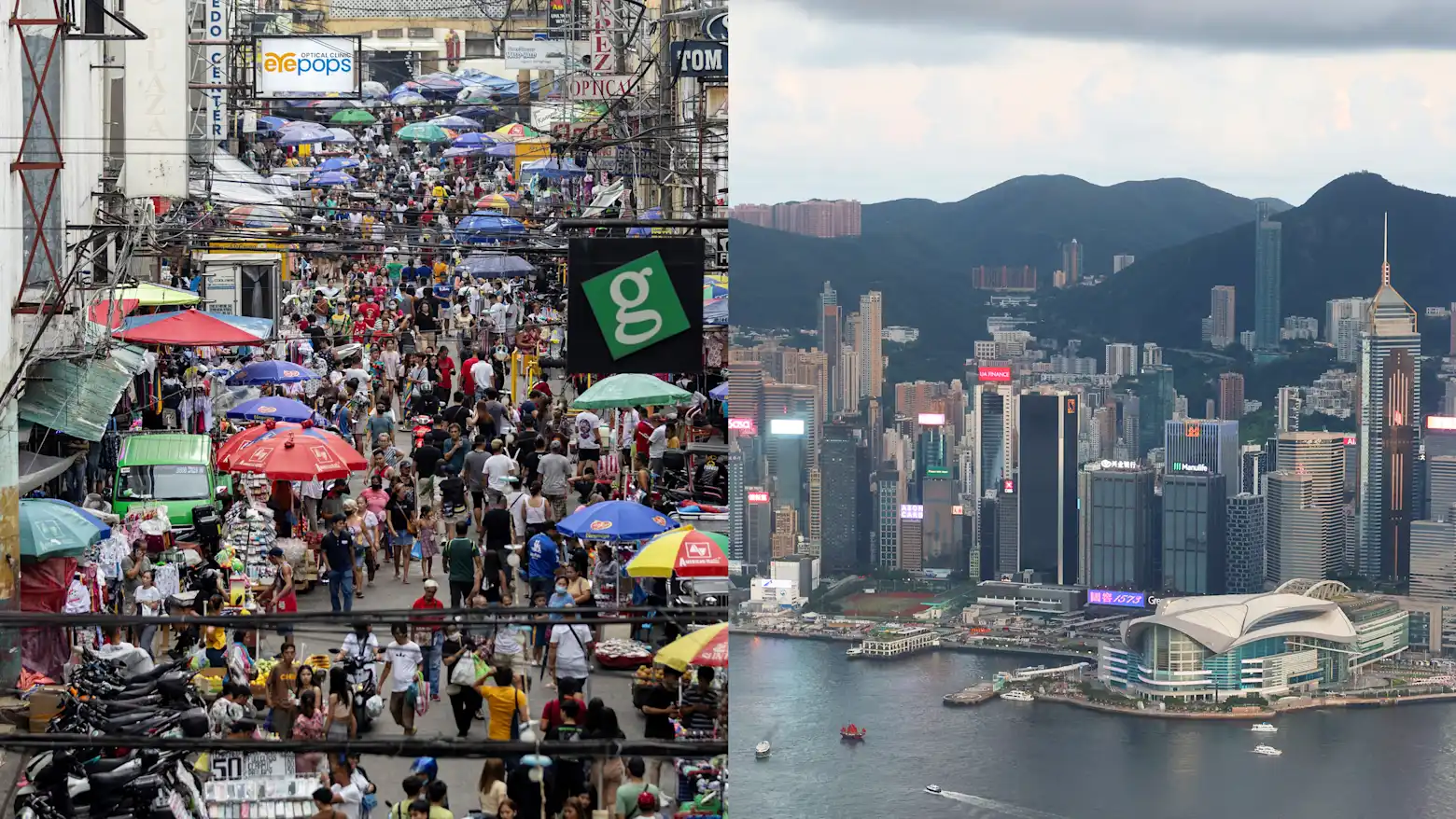
For the region, Japan's shift is a live demonstration of how quickly corporate behavior adapts once the interest rate regime turns. Southeast Asian companies have largely operated in economies where inflation and positive rates are a normal fact of life, so active cash management is not new to them, but Japan's sudden conversion is a reminder of how much value can leak away when treasurers treat idle cash as harmless. In a higher-rate world, the discipline of putting every balance to work is not optional, it is the difference between preserving value and slowly surrendering it.
There is a capital-flow angle too. As Japanese firms and investors rediscover yield at home, the calculus that once pushed their money abroad in search of returns begins to shift, and some of the capital that flowed out during the zero-rate years may find better uses inside Japan. For Southeast Asian markets that have long counted on Japanese money, the normalization of Japan's own rates is a development worth watching, because a Japan where cash finally earns something is a Japan with less reason to send that cash overseas.