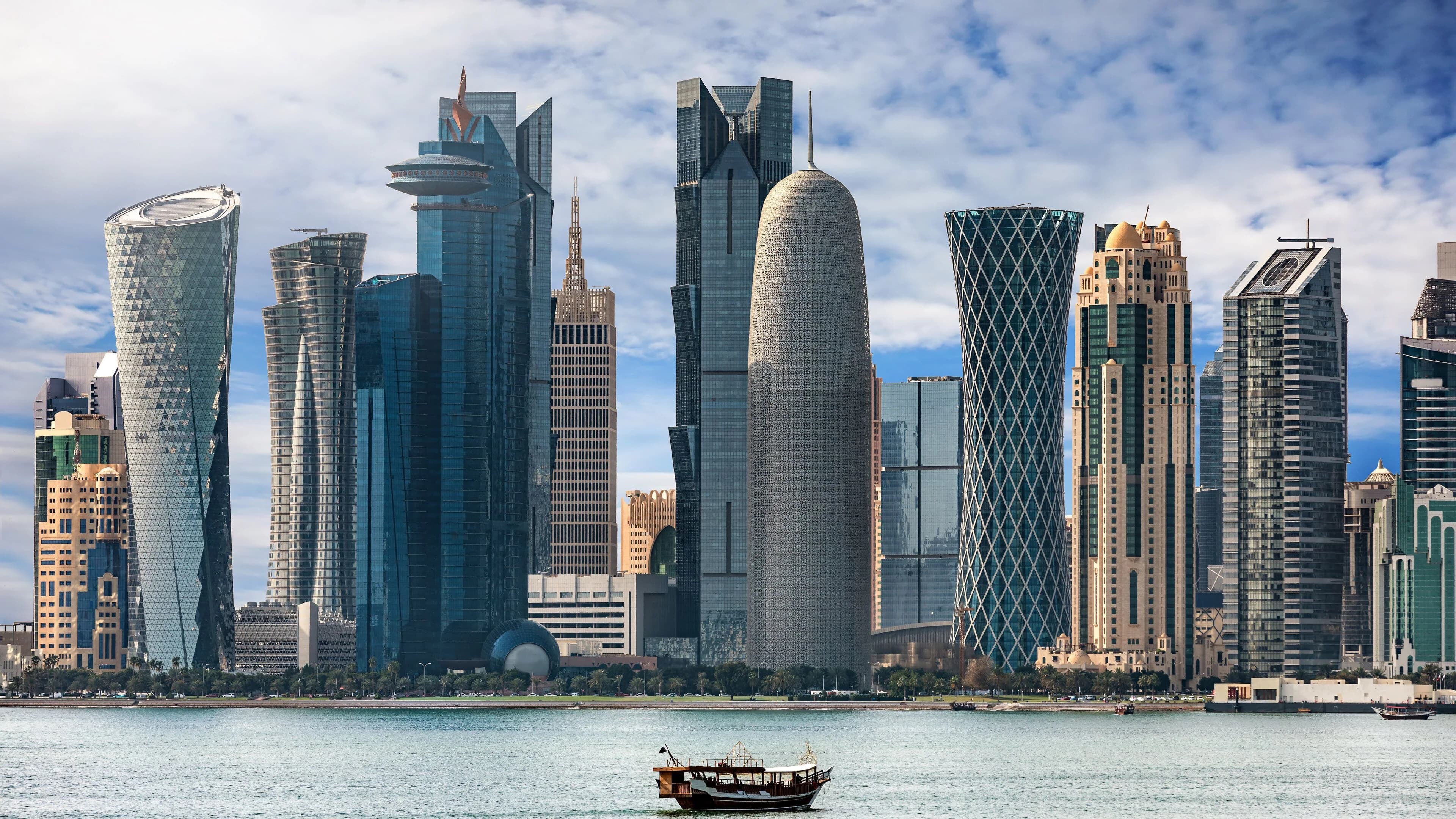
American and Iranian technical teams met for indirect talks in Doha this week, working to keep alive a ceasefire deal that has struggled to hold since the two sides began sparring over how to interpret it.
The negotiations trace back to a 14 point interim accord reached last month that halted a war which began with US and Israeli strikes on Iran in February. That accord opened a 60 day window for a permanent settlement, called for Iran to gradually reopen the Strait of Hormuz to shipping, and required the United States to lift its blockade of Iranian ports.
President Trump's Middle East envoy Steve Witkoff and son in law Jared Kushner traveled to Doha to meet Qatar's prime minister ahead of the talks, though neither is taking part in the technical sessions directly. Qatar and Pakistan are mediating between the two sides, and Iranian officials have so far ruled out any direct meeting with senior American envoys.
Hormuz reopening called uneven
Even with the interim accord in place, analysts say ship traffic through the strait has resumed only in fits and starts, with little visibility into which vessels are moving and when. The past week brought a fresh round of limited military strikes from both sides after disagreements over what the ceasefire terms actually require, and diplomats say the more difficult issues, including Iran's nuclear programme, have barely been discussed.
Sovereignty and frozen funds remain sticking points
Two issues are shaping up as the hardest to resolve before the 60 day window closes. Iran's negotiators argue that sovereignty over the Strait of Hormuz belongs to Iran and Oman, and they want that authority, including the right to regulate and charge for traffic, recognized once the interim period ends. Tehran is also pressing for the release of frozen funds, while US officials have floated a joint Washington and Doha mechanism that would restrict how the money could be spent, including on American agricultural exports.