Hotel101, the fast expanding hotel brand backed by two of the Philippines' best known billionaires, is preparing to spend 200 million dollars building hotels in Thailand, its latest move in an ambitious global push. The company plans three properties in Bangkok, Pattaya and Phuket, adding more than 2,000 rooms in one of Southeast Asia's most popular tourist markets.
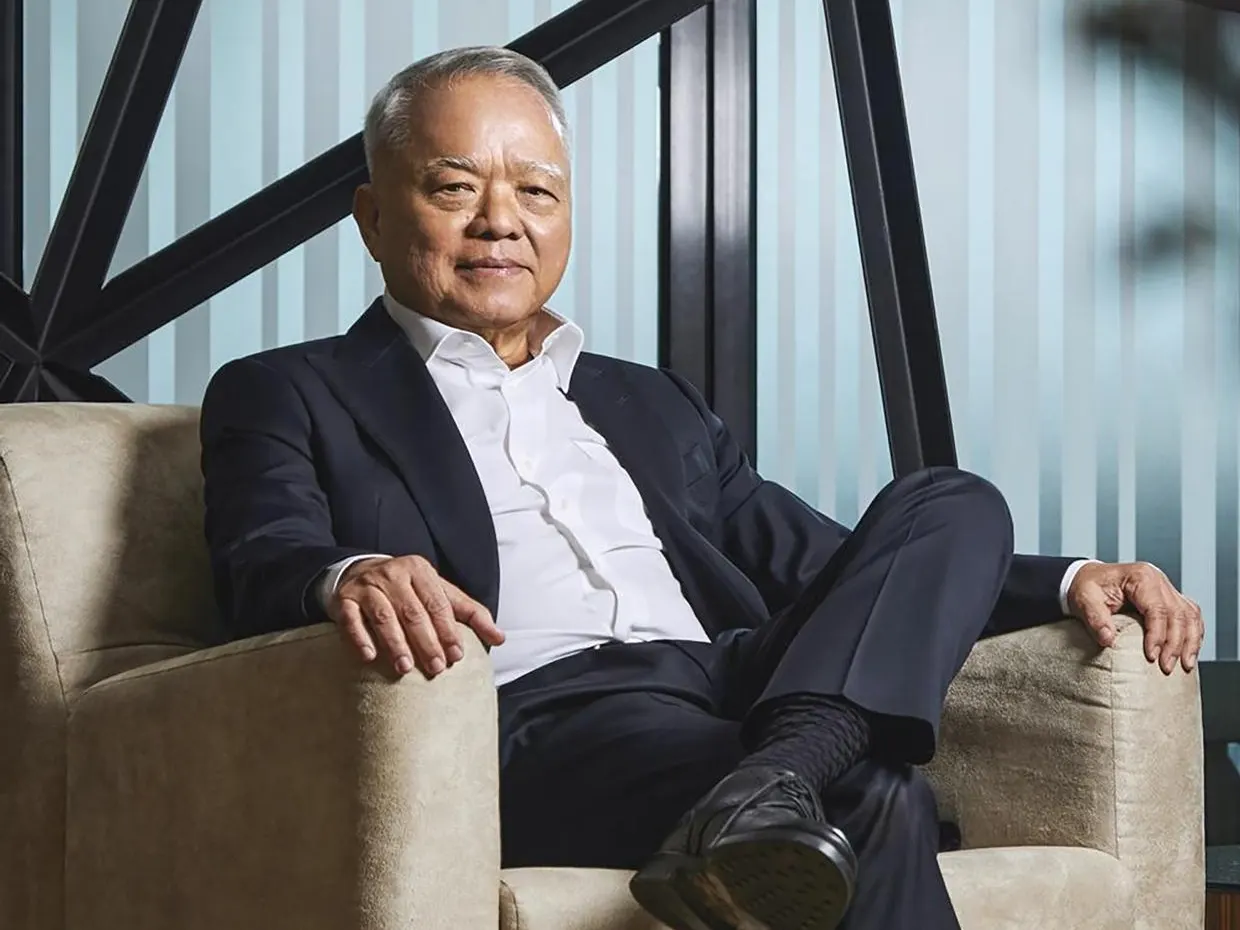
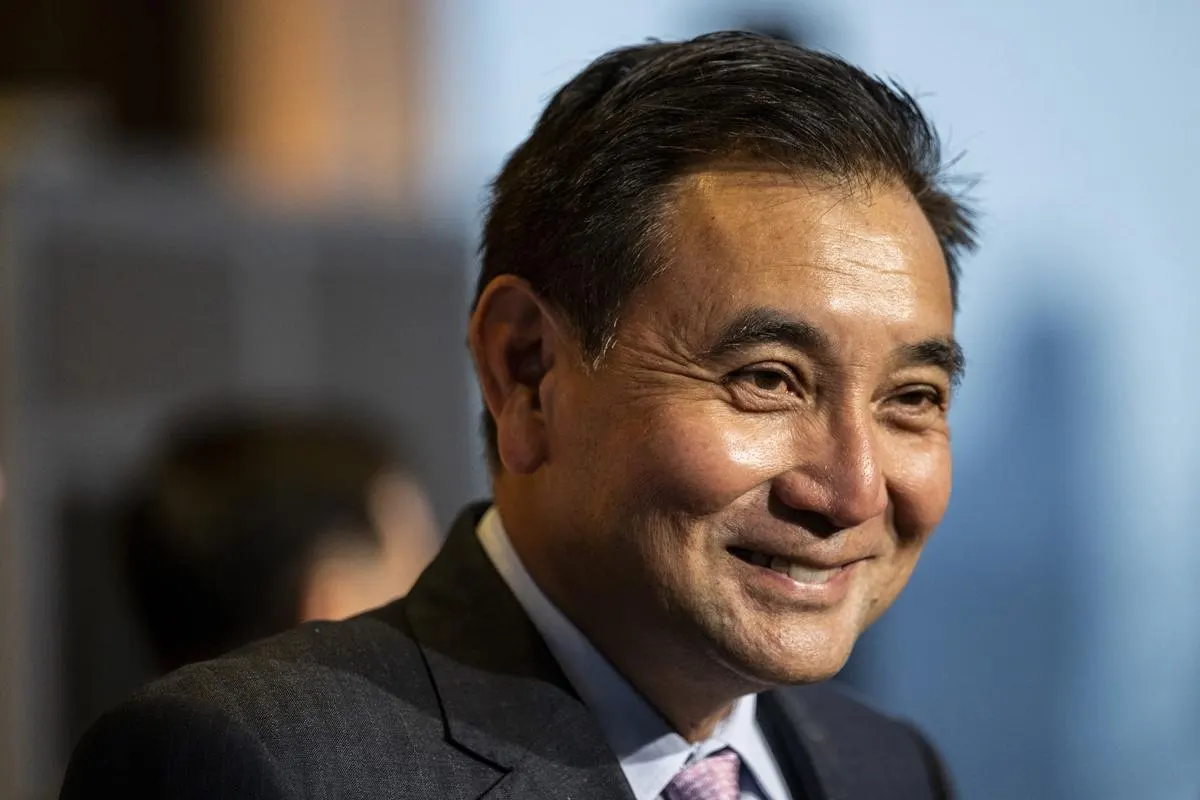
The chain is part of DoubleDragon, the property group founded by Tony Tan Caktiong, who built the Jollibee fast food empire, and Edgar Sia, the entrepreneur behind a string of real estate and hospitality ventures. Sia, who chairs the hotel business, framed the Thailand plan as a natural extension of a model the company is now rolling out across borders.
An unusual way to build a hotel
What sets Hotel101 apart is how it finances its rooms. Rather than borrow heavily to construct each property, the company pre sells identical guest rooms to individual investors for around 250,000 dollars apiece. Owners do not keep a fixed room, instead they place their unit into a shared pool and collect 30 percent of the hotel's gross room revenue, along with ten free nights a year to use themselves.
Every room is the same size and layout, which the company says makes construction cheaper, faster and easier to repeat in any city. That standardized design is the engine behind its plan to scale quickly, since each new hotel is essentially the same product stamped out in a new location.
The Thailand plan in numbers
The Bangkok hotel, the largest of the three, is set to house 770 rooms and is targeted for completion in 2029. It has already drawn strong early demand, with pre sales valued at about 1.9 billion baht, or roughly 57 million dollars. The Pattaya and Phuket properties will round out the more than 2,000 rooms the company intends to bring to Thailand over the next three years.
For a business built on selling rooms to investors, Thailand's steady flow of tourists and its appetite for property make it a logical target. A strong pipeline of buyers helps fund construction up front, reducing the debt the company needs to carry.
A global land grab
Thailand is only one piece of a much larger ambition. Hotel101 listed on the Nasdaq in July 2025, giving it a public currency to fund growth, and it has been opening properties at pace. Its first hotel outside the Philippines, a 680 room building in Madrid, opened in March 2026, and a 482 room resort in Niseko, Japan is due to open in December. The company is also developing projects in Los Angeles and Saudi Arabia, where it has floated plans for as many as 10,000 rooms.
The long term target is striking. Hotel101 says it wants to operate one million rooms across 100 countries by 2050, a goal that would place it among the largest hotel operators in the world. Whether the investor funded model can stretch that far remains to be seen, but the Thailand commitment shows the company is moving quickly to plant its flag in the region's biggest travel markets. For Tan Caktiong, who turned a single fast food outlet into a global brand, it is another wager that a simple, repeatable format can be scaled almost anywhere.