Singapore Airlines is mounting one of its biggest pushes into Europe in years, adding daily services on several routes, thickening frequencies on others and returning to Madrid for the first time in more than two decades. The expansion, phased in through the second half of 2026, will lift the carrier's European flying to record levels.
The plan reads as a bet that demand for premium long haul travel between Asia and Europe will keep climbing, and that Singapore's Changi hub can keep pulling connecting passengers from across the region and beyond.
More daily flights across the network
Several of the airline's European cities are moving to daily service. Manchester steps up from five flights a week to a daily operation from July 13, while London Gatwick goes from three weekly flights to daily from October 25. Milan follows the same path on the same date, rising from four flights a week to one every day.
Amsterdam gets a seasonal boost, climbing from seven weekly flights to ten between August 1 and October 22. The three extra rotations, on Tuesday, Thursday and Saturday, will be flown by the long haul version of the Airbus A350-900, the workhorse behind much of this expansion.
Germany and a Madrid comeback
Germany features prominently. Singapore Airlines will launch a new thrice weekly service to Munich from October 26, and Frankfurt is set for its first full winter season of twenty weekly flights, though that route will run without the double deck Airbus A380.
The headline addition is Madrid. The airline will serve the Spanish capital again from October 26, routing the flights through Barcelona, and marking a return after an absence of twenty two years. The Singapore to Barcelona to Madrid service will use the long haul A350-900 fitted with 253 seats, giving the carrier a fresh foothold in one of Europe's larger travel markets.
Flagship jets on premium routes
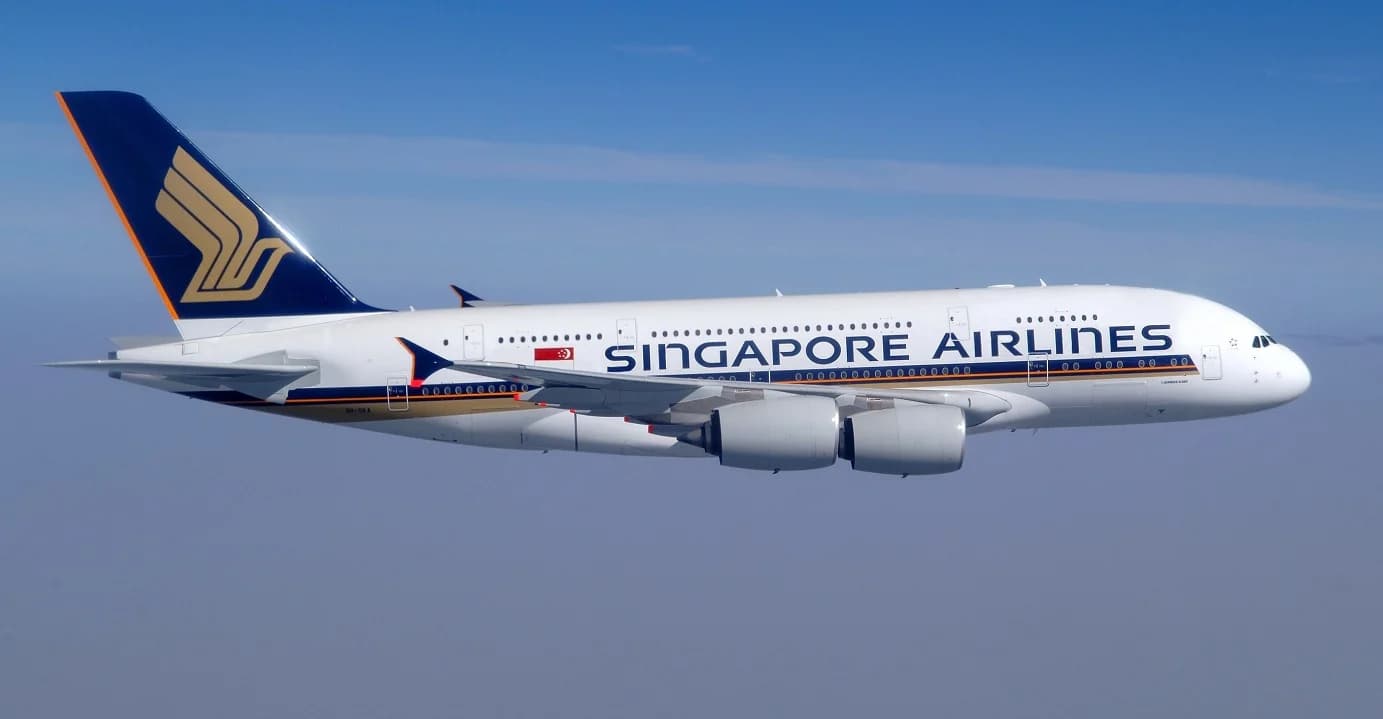
The A380 still has a role at the top of the network. Dubai, a key stop on the route between Europe and Australia, will be served exclusively by the superjumbo through the season, with the airline's Suites cabin available throughout. That positioning underlines how Singapore Airlines is using its largest aircraft to defend the most lucrative, premium heavy corridors while spreading the more flexible A350 across new and thickened routes.
Why the timing matters
For Southeast Asia's flagship carrier, Europe is both a prize and a battleground. Gulf airlines, Chinese carriers and European flag operators are all chasing the same Asia to Europe traffic, and capacity discipline has given way to a race for market share as travel demand has recovered. By concentrating growth on high frequency, premium friendly routes and leaning on Changi's connectivity, Singapore Airlines is signalling that it intends to compete on schedule depth and service rather than price alone.
The build up also gives corporate travellers and the region's outbound tourists more choice, and it hands Changi another lever in its long running contest with rival hubs to remain the default gateway between Asia and Europe. If the demand holds, the record European schedule could become a template for how the airline grows the rest of its long haul map.