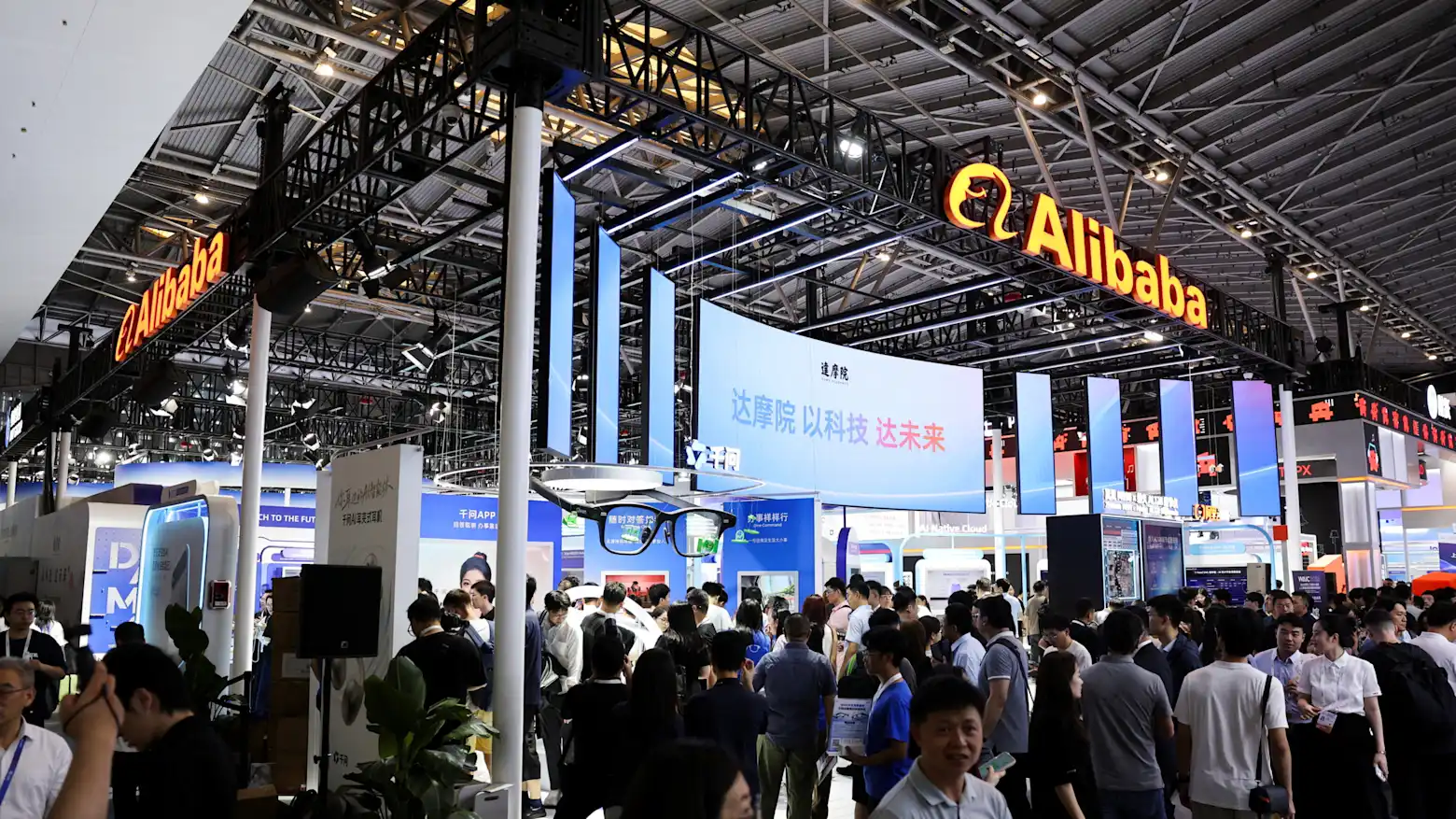
Alibaba has unveiled what it is calling the most powerful AI chip built in China to date, a claim aimed squarely at the infrastructure race now defining the AI industry. The company has not detailed the chip's exact specifications or who inside Alibaba built it, but the intent behind the announcement is clear enough, this is hardware meant to feed the company's own data center ambitions rather than a product built primarily to sell to outside customers.
Those ambitions are substantial. Alibaba has set a target of growing its global data center capacity past 20 gigawatts by 2032, a figure that puts the company among the most aggressive infrastructure builders in the AI industry worldwide. A new domestically built AI chip designed to help fill that buildout suggests Alibaba is not planning to rely solely on outside chip suppliers to hit a target that large.
Why building your own chip matters right now
The backdrop to Alibaba's announcement is China's broader push toward AI hardware self sufficiency, a priority that has only intensified as access to the most advanced American chips has remained restricted for Chinese buyers. Companies like Alibaba, along with domestic chipmakers across the country, have been racing to close the gap between what Chinese firms can build themselves and what they would otherwise have to import under tightening export rules. A homegrown chip strong enough to power a company's own data centers is as much a hedge against future restrictions as it is a technical achievement.
Money behind the buildout
Alibaba's hardware ambitions are backed by serious capital. The company has raised a 10 billion dollar funding round specifically earmarked for AI spending, capital that is likely to flow toward exactly the kind of data center and chip infrastructure this new processor is meant to support. Building a competitive AI chip and building the data centers to deploy it at scale are both capital intensive undertakings, and Alibaba appears to be funding both sides of that equation at once.
A debate still unfolding
The announcement also lands inside what has been described as an active tech safety debate, though the specifics of that discussion were not detailed alongside the chip news. Powerful new AI hardware announcements in China tend to draw scrutiny both domestically, over safety and governance questions, and internationally, over what more capable Chinese made AI infrastructure means for the broader US-China technology competition. Alibaba's chip is likely to be read through both of those lenses in the days ahead.
What it means for the region
A stronger, more self sufficient Alibaba is significant for Southeast Asia specifically, given how central the company's cloud arm already is to the region's digital infrastructure. Alibaba Cloud has been one of the more aggressive foreign cloud providers expanding data center capacity across Southeast Asia, and a domestically built chip that lowers Alibaba's dependence on external suppliers could translate into more resilient, better capitalized cloud and AI services for the businesses across the region that already run on Alibaba's infrastructure.