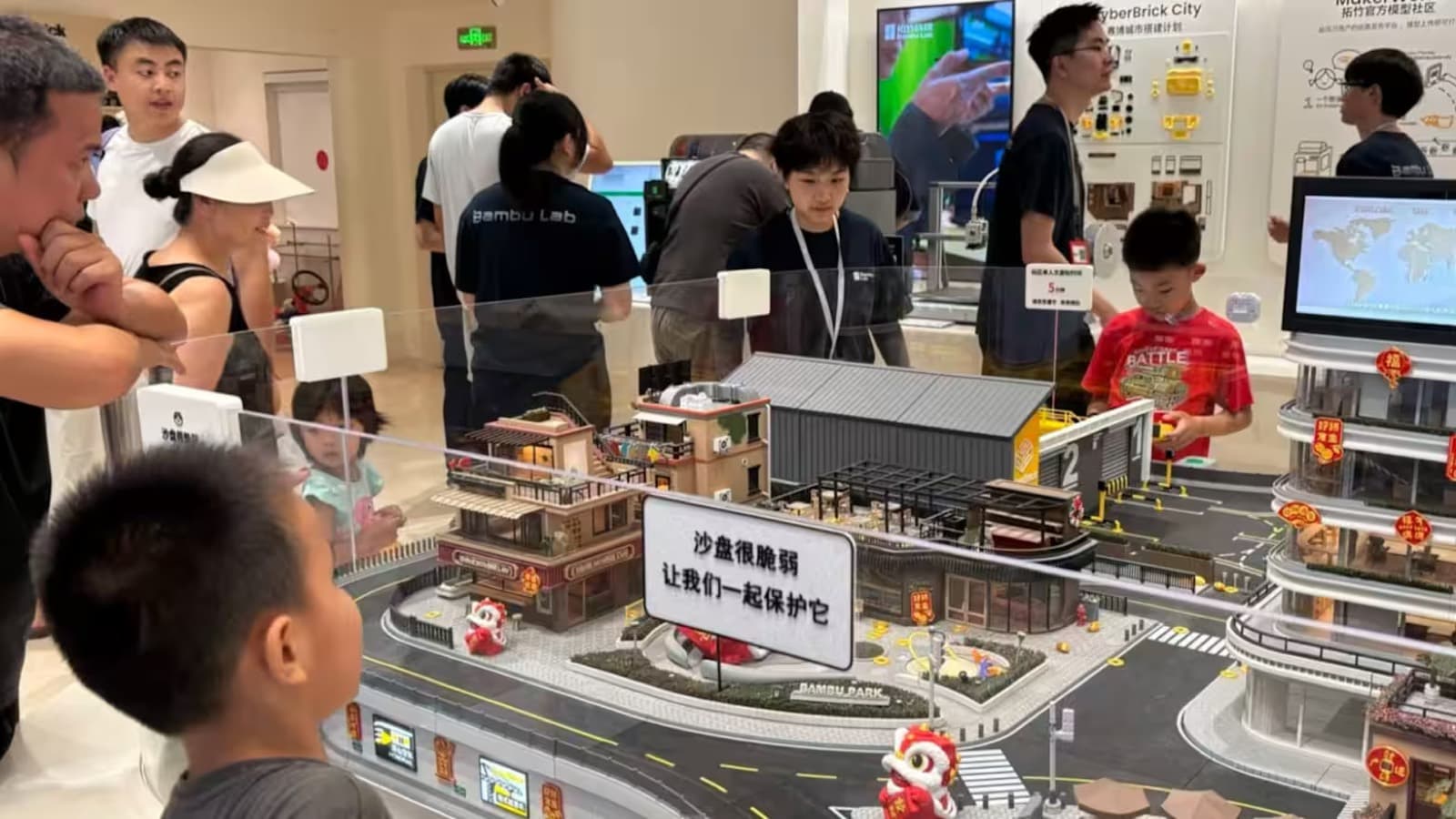
A generation of young, digitally fluent Chinese consumers is fueling a surge in the popularity of 3D printers, turning what was once a niche tool for engineers and tinkerers into an affordable gadget for the home. The demand is not only reshaping how Chinese youngsters play and create, it is also cementing China's grip on a fast growing global industry.
The scale of that grip is striking. A handful of companies based in Shenzhen now account for roughly 90 percent of all consumer 3D printers shipped worldwide. The leaders are Bambu Lab, founded in 2020 by former executives of the drone maker DJI, and Creality, which in May became the first pure play consumer 3D printer maker to list on the Hong Kong stock exchange. Two other local firms, Anycubic and Elegoo, round out the group that dominates the category.
Cheap machines, young buyers
The boom rests on a simple shift, printers that ordinary people can afford. Creality's Ender series, first launched in 2017, brought the price of a desktop machine within reach of hobbyists who could never have justified the cost before, and rivals have pushed prices lower and quality higher ever since. The result is a device that a student or a young parent can buy on a whim, then use to run off toys, models, phone accessories and spare parts at home.
Much of the energy comes from the youngest users. Companies have built online communities where people share ready made designs and earn points or rewards for uploading their own, lowering the barrier for beginners who do not want to design from scratch. Bambu Lab's model sharing platform alone had reached around 10 million monthly active users by the end of 2025, with more than eight in ten sticking around a year later.