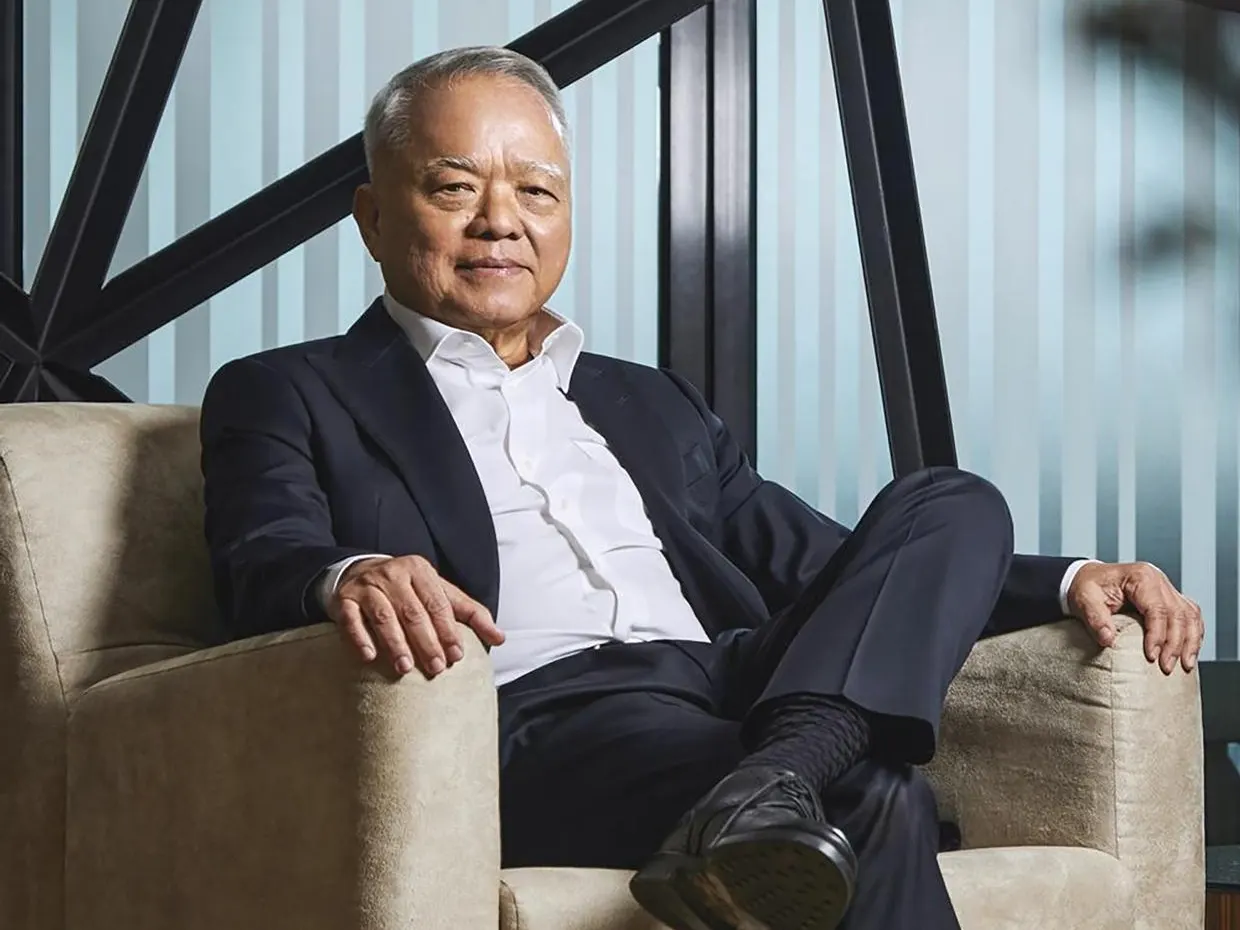
Carabao, the Thai energy drink maker best known as a homegrown rival to Red Bull, is turning its focus back to its home market after a slump in exports dragged down earnings. The company, cofounded by tycoon Sathien Sathientham, is leaning harder on domestic sales and marketing to steady a business knocked off course by regional tensions.
The pressure showed clearly in its latest results. Net profit fell 18 percent in 2025 to 2.3 billion baht, or about 70 million dollars, while sales slipped 3 percent to 11.8 billion baht. The strain has carried into the opening months of 2026, and the company's shares have fallen roughly 23 percent over the past year.
A border dispute bites
Much of the damage traces back to a single region. Close to 40 percent of Carabao's export revenue comes from the neighbouring CLMV markets of Cambodia, Laos, Myanmar and Vietnam, and border tensions with Cambodia hit sales hard, cutting off a stream of demand the company had come to rely on. Analysts note that beyond the lost Cambodian sales, earnings are also being squeezed by rising costs for aluminium and gas, key inputs for a canned drinks business.
The episode is a reminder of how exposed consumer companies can be to politics on their borders, especially when a large share of overseas revenue is concentrated in a handful of nearby countries.
Doubling down at home
With exports under strain, Carabao has stepped up efforts on familiar ground. In Thailand it holds roughly a quarter of the energy drink market and ranks as the clear number two, making it the main domestic challenger to Red Bull. The company has ramped up marketing at home to defend and grow that position while the export picture stabilizes.
It is not retreating from the region entirely. Carabao opened a new factory in Myanmar in September, giving it local production closer to some of its export customers, and it has been sponsoring professional football clubs in Vietnam to keep its brand visible in a market it still values. The cofounders also control the CJ Express convenience chain, another outlet that keeps the group close to Thai shoppers, and the company has been using artificial intelligence to sharpen its supply chain.
A tycoon fortune that keeps rising
The turbulence has done little to dent the wealth of Carabao's founders. Sathien Sathientham, who started the company in 2002 with the folk singer known as Aed Carabao and took it public in 2014, has seen his net worth climb over the past year even as the share price fell, buoyed by his wider business interests. Fellow cofounder Nutchamai Thanombooncharoen has also grown richer.
For now, the task is to rebuild the earnings momentum that the Cambodia disruption interrupted. If Carabao can hold its ground at home and ride out the cost pressures on cans and energy, it has the brand strength and the distribution to recover once its export markets settle. The bet is that a firm base in Thailand can carry the company through a rough patch abroad.