Hong Kong is making a fresh push to knit itself into the fast growing business corridor between China and the Middle East, using a major technology summit to court Gulf capital and pitch the city as the natural bridge between Chinese firms and Middle Eastern money.
The centerpiece is LEAP East, a spin off of the large Saudi technology conference that opened at the Hong Kong Convention and Exhibition Centre on July 8. It is the first time the event has been staged outside Saudi Arabia, and organizers say it will remain in Hong Kong for the next three years. The three day gathering drew more than 35,000 participants, with 340 speakers and 450 exhibitors from 30 countries, clustered around artificial intelligence, deep tech, smart cities and new energy.
Selling Hong Kong as a fundraising hub
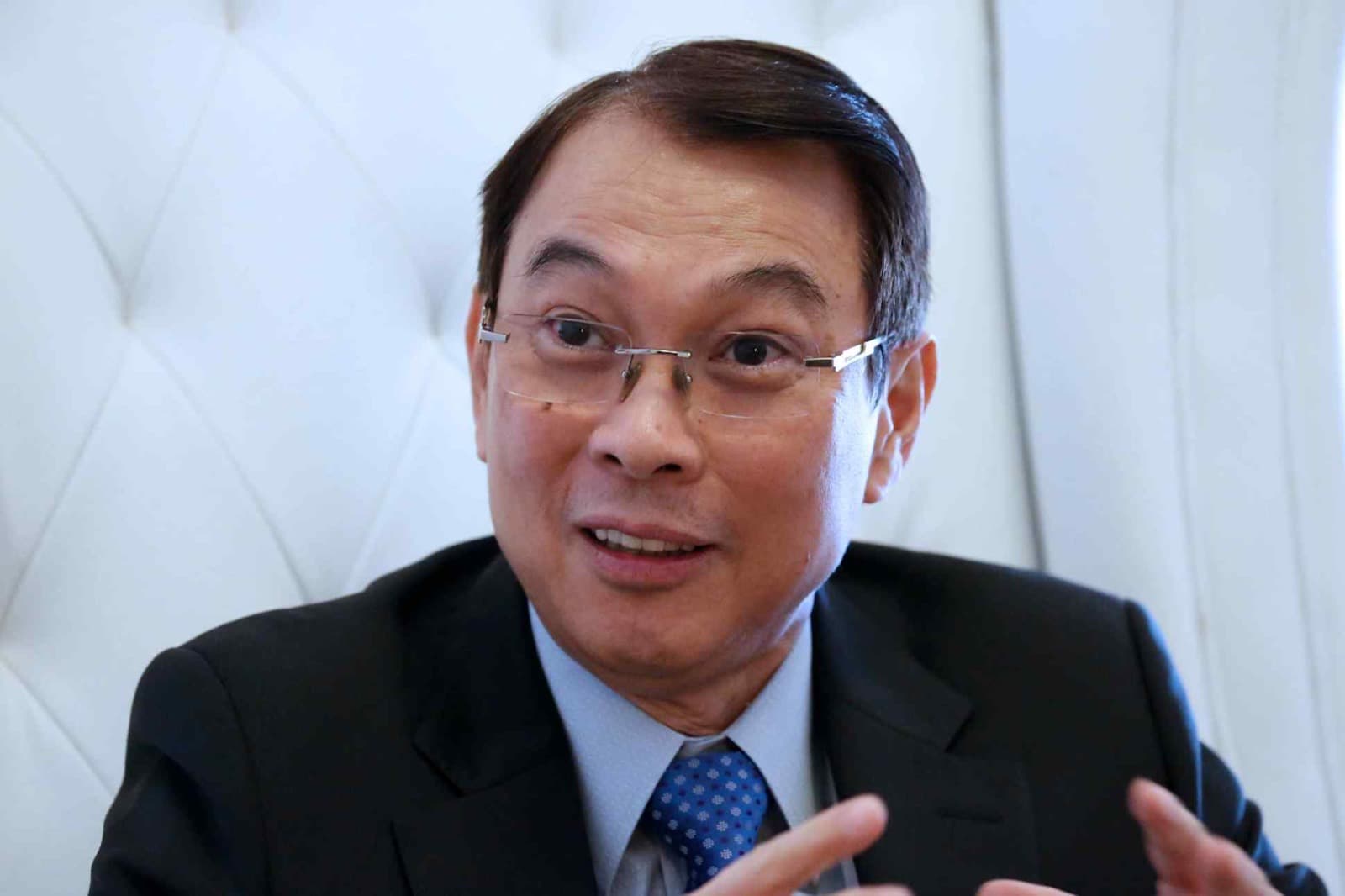
For Hong Kong, the summit is a stage to sell its core strength as a financial center. Financial Secretary Paul Chan used the event to invite Saudi and Gulf companies to treat the city as a base for raising money and managing risk, while pledging deeper cooperation in areas from infrastructure and green technology to healthcare, advanced manufacturing and professional services.
That pitch builds on ties already forming at the government level. In late 2024 Hong Kong signed a memorandum of understanding with Saudi Arabia's Public Investment Fund, the kingdom's giant sovereign wealth vehicle, aimed at a joint fund of about 1 billion dollars to help Hong Kong companies expand into the kingdom.
China's quiet foothold in the Gulf
The summit also shines a light on how deeply Chinese technology has already embedded itself across the region. For years, Chinese firms have supplied the Gulf with critical infrastructure, from 5G networks and cloud platforms to smart city systems, giving Beijing a growing commercial presence in a part of the world long dominated by Western suppliers.
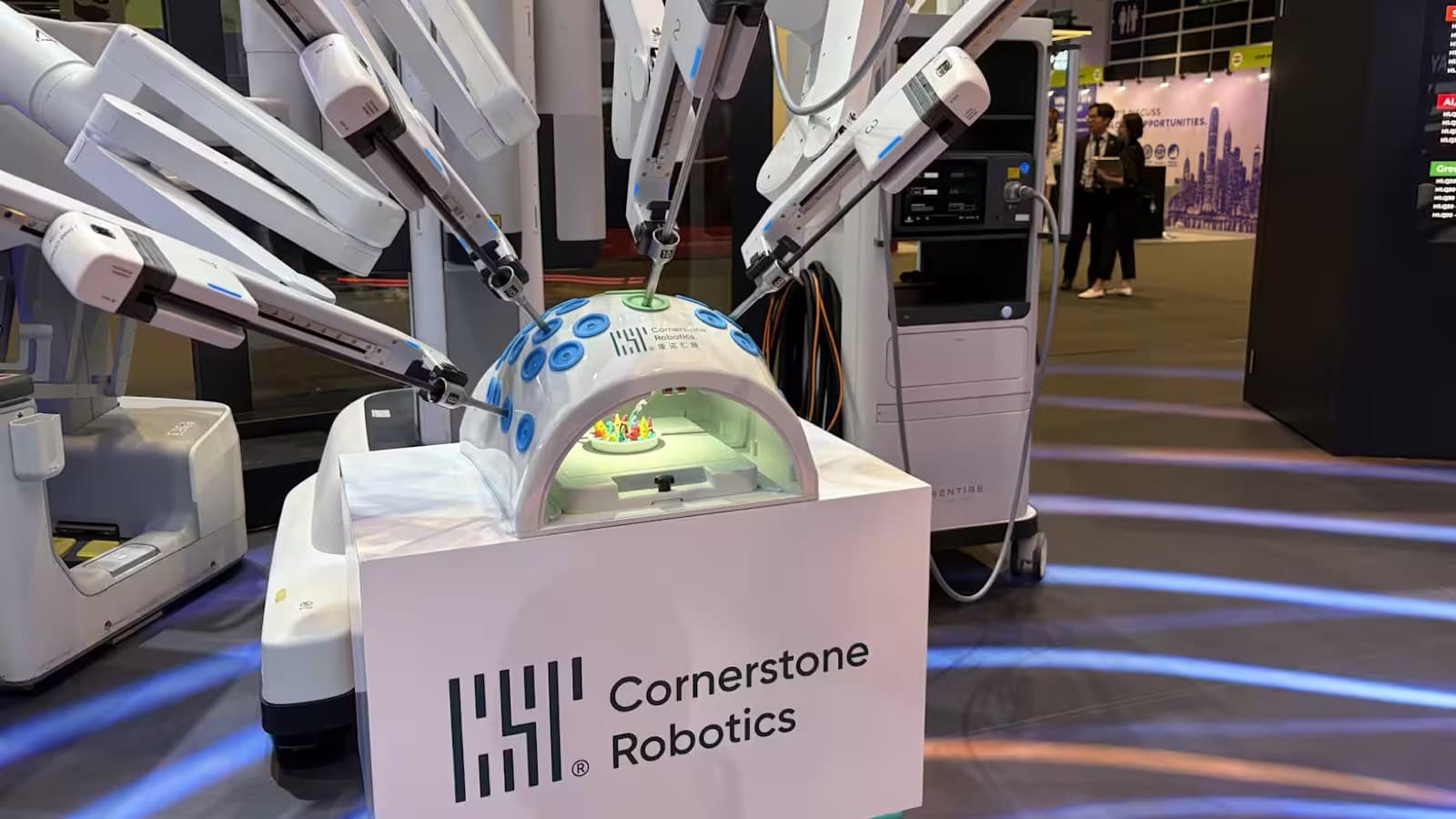
Saudi corporate heavyweights have signed on to the Hong Kong event, and companies are using the platform to chase new customers abroad. Among the exhibitors is Cornerstone Robotics, a Hong Kong developer of surgical systems that is targeting buyers across the Middle East, Southeast Asia and Europe, a small example of the two way traffic the city hopes to encourage.
Business beyond the conflict
The timing is delicate. Business between Hong Kong and the Gulf was rattled by the recent conflict involving Iran, which forced some events to be postponed and injected fresh uncertainty into a region already prone to shocks. Yet executives involved in the summit say the disruption has not dented the longer term appeal of the corridor linking the Gulf with Asia.
For Hong Kong, the calculation is that geopolitics will not derail a relationship rooted in mutual need. Gulf states flush with oil money are hunting for growth and technology in Asia, while Chinese companies want access to that capital and to fast developing markets. By planting a marquee Gulf event on its soil for years to come, Hong Kong is betting it can make itself useful to both sides, and reclaim some of the shine it lost during a difficult few years.