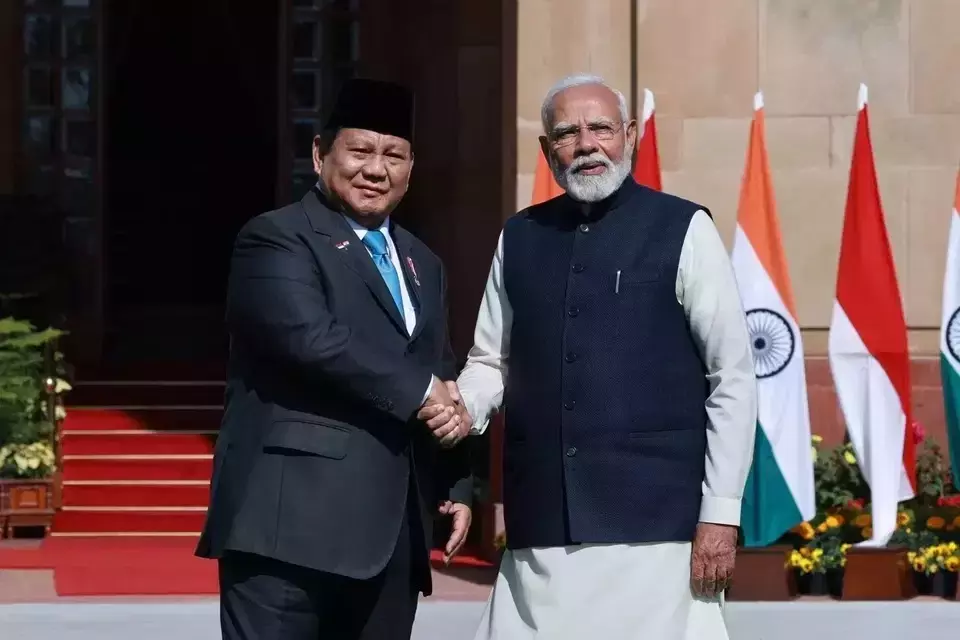
Indonesia has agreed to buy a set of advanced missiles from India, deepening a defense relationship between two of Asia's largest democracies and handing New Delhi one of its most significant arms deals yet in Southeast Asia. The agreements were signed in Jakarta on July 7 during a visit by Indian Prime Minister Narendra Modi, who held talks with Indonesian President Prabowo Subianto at the Merdeka Palace.
At the heart of the package are two weapons. Indonesia will acquire Astra, an Indian designed air to air missile built to strike targets far beyond the pilot's line of sight, and it will also take delivery of the BrahMos, a supersonic cruise missile developed jointly by India and Russia. Together they give Jakarta a sharp upgrade in both air combat and long range strike power.
India joins Indonesia's supplier roster
The BrahMos pact is the headline. Valued at around 630 million dollars, it makes Indonesia the third foreign buyer of the missile after the Philippines and Vietnam, cementing the weapon as a signature export for India's growing defense industry. The Astra deal is notable too, coming after the missile drew attention for its performance during a recent Indian military operation, which New Delhi has used as a selling point to prospective customers.
For Indonesia, the purchases fit a long running drive to modernize armed forces that still lean on an assortment of aircraft and weapons sourced from the United States, Europe, Russia and elsewhere. Spreading its orders across many suppliers lets Jakarta avoid leaning too heavily on any single partner, a stance that has long defined its foreign policy.