Atlassian, the Australia-founded software company behind widely used workplace tools, saw its shares surge by about a third after quarterly results landed better than the market feared. The move was not really about a single quarter. It was investors exhaling on a question that has hung over the entire software industry, which is whether artificial intelligence will lift companies like Atlassian or quietly hollow them out.
The fear even has a nickname. Traders have taken to calling the worst case scenario a Saaspocalypse, the idea that as AI tools grow capable enough to write code and automate tasks, the software as a service firms that sell subscriptions could see their products commoditized or bypassed. That anxiety had weighed on Atlassian's stock, and the company itself had cut staff earlier in the year as the market mood around software soured. A strong set of numbers was the most direct rebuttal it could offer.
The chief executive's argument
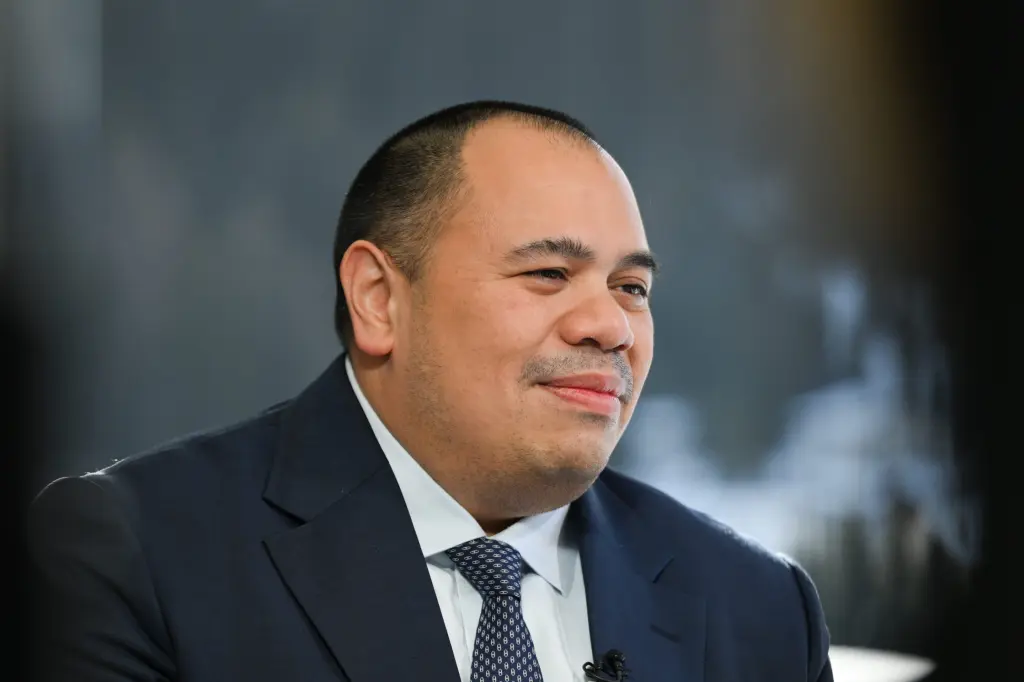
Mike Cannon-Brookes, Atlassian's chief executive and co-founder, put the case plainly, saying customers are getting real value from the AI the company is building directly into their workflows. That framing matters, because it reverses the bear thesis. In the pessimistic view, AI is an outside threat that erodes demand for software. In Atlassian's telling, AI is a feature it ships inside its own products, one that makes those products stickier and gives customers a reason to spend more rather than less.
The market clearly bought the argument, at least for now. A one day jump of roughly 33 percent is an enormous move for an established company, and it reflects relief as much as enthusiasm. When expectations have been beaten down by fear, results that merely show healthy growth can trigger an outsized rerating, as investors who had priced in disruption scramble to price in resilience instead.
One result, a bigger debate
It would be a mistake to read a single earnings reaction as a verdict on the whole AI and software question. Atlassian sells collaboration and development tools that sit close to the workflows AI is transforming, which cuts both ways, giving it a natural place to embed the technology but also exposing it if customers ever decide they need fewer such tools. One quarter of good numbers shows the company can grow through the shift so far. It does not prove the shift is finished, or that the next quarter will be as kind.
What the rally does establish is that the Saaspocalypse trade is contested rather than settled. For every investor convinced that AI will gut software margins, there is now a concrete example of a software firm using AI to reaccelerate. The debate will be fought company by company and quarter by quarter, and Atlassian has just handed the optimists a piece of evidence.
The read from Southeast Asia
For technology buyers and investors across Southeast Asia, the episode carries two useful signals. The first is about software budgets. If AI is making established platforms more valuable rather than obsolete, then the regional enterprises and startups that run on tools like Atlassian's can treat that spending as an investment in productivity rather than a cost waiting to be automated away. The vendors embedding AI well are likely to keep their customers.
The second signal is about markets. Sentiment toward the software sector has been swinging violently on the AI question, and a 33 percent move on results shows how much fear was baked into prices. For investors in the region with exposure to global technology names, whether directly or through funds, the lesson is that the AI disruption story is still being written, and that stocks priced for catastrophe can rebound hard when the catastrophe fails to arrive. Atlassian will not be the last software company to test that dynamic.