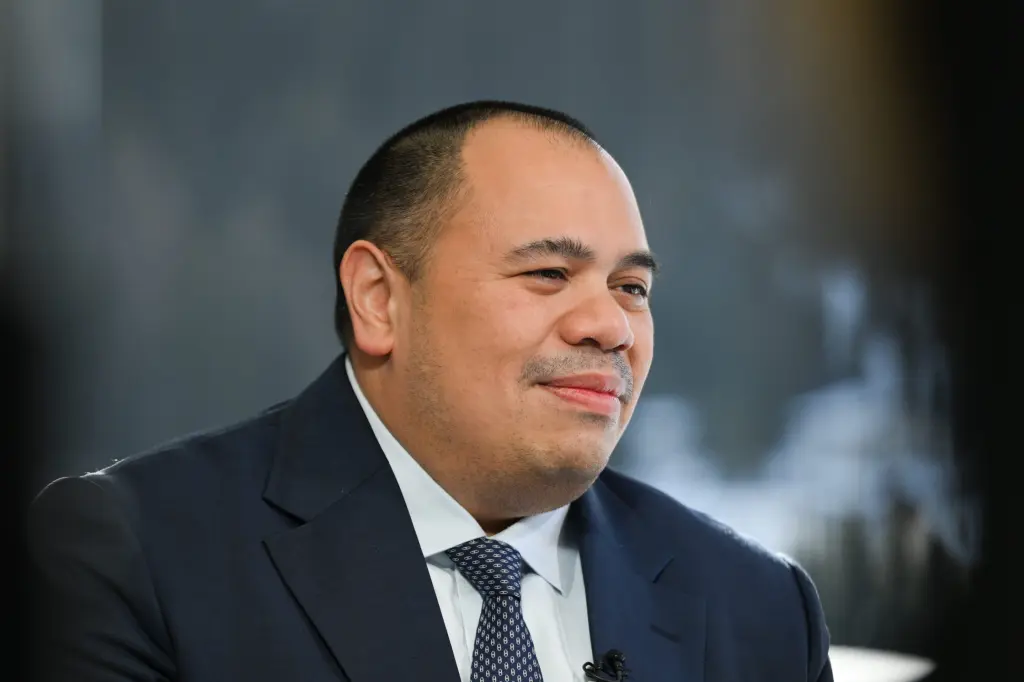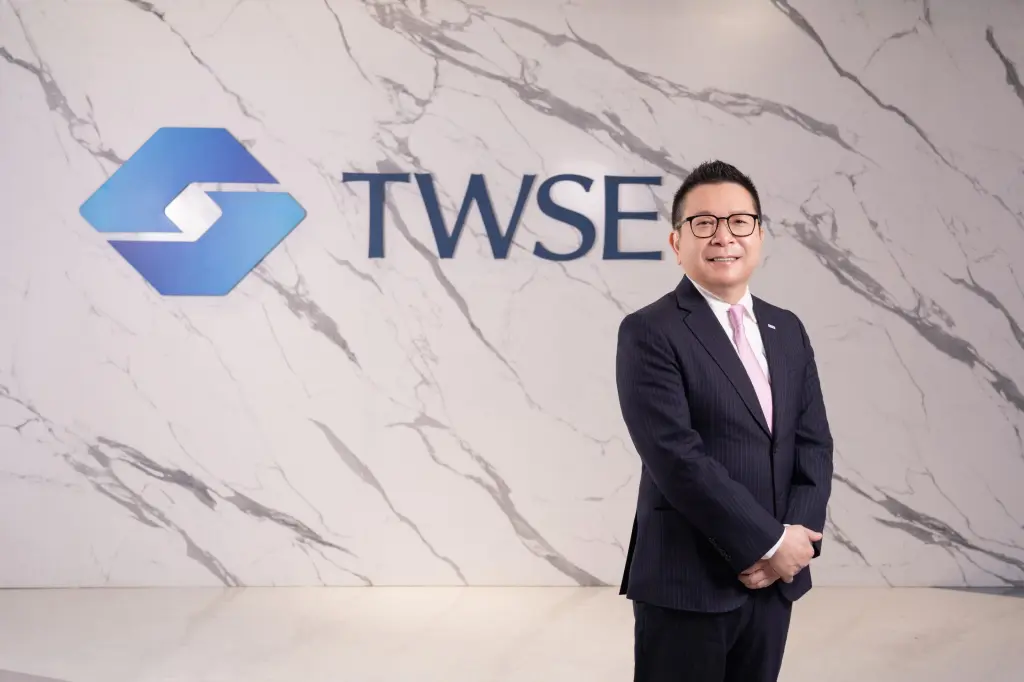
Taiwan's stock market has had a remarkable run this year, and Sherman Lin, chair of the Taiwan Stock Exchange, is under no illusion about why. The benchmark TAIEX index is up roughly 55 percent year to date, and TSMC alone accounts for about half of that gain while making up some 40 percent of the index's total weighting. Taiwan overtook rivals to become the world's fifth largest stock market by total value in May 2026, trailing only the United States, mainland China, Japan, and Hong Kong. It is an extraordinary result built substantially on the fortunes of a single company.
That concentration is precisely what worries Lin, even as he celebrates the milestone. A market that rises and falls with one stock is fragile in a way that a genuinely broad based exchange is not, and Lin has been candid that Taiwan's lasting edge cannot rest on having one or two globally dominant companies. His argument is that the island's real strength is structural, a deep, technology oriented economy where advanced manufacturing and engineering talent run far wider than any single firm, TSMC included.
Hunting for the next TSMC, and the ones nobody has noticed
Lin's strategy for diversifying the exchange runs in two directions at once. One is chasing companies positioned across the broader AI supply chain, the equipment makers, component suppliers, and specialized manufacturers that benefit from the same demand wave lifting TSMC without carrying its single stock risk. The other is what Lin describes as hunting for hidden champions, profitable, well run companies that have simply gone unnoticed by investors focused on the index's headline names. Surfacing those firms would give the market more legs to stand on than TSMC alone can provide.
Borrowing a governance playbook
Alongside the hunt for new listings, Taiwan has launched a program called Power Up aimed at strengthening corporate governance across listed companies, explicitly modeled on the shareholder value campaigns Japan and South Korea have run in recent years. Those campaigns have been credited with pushing companies in both countries to unlock value for shareholders through better capital allocation and disclosure, and Lin is betting a similar push can make Taiwan's broader listed universe more attractive to investors who might otherwise only care about TSMC.