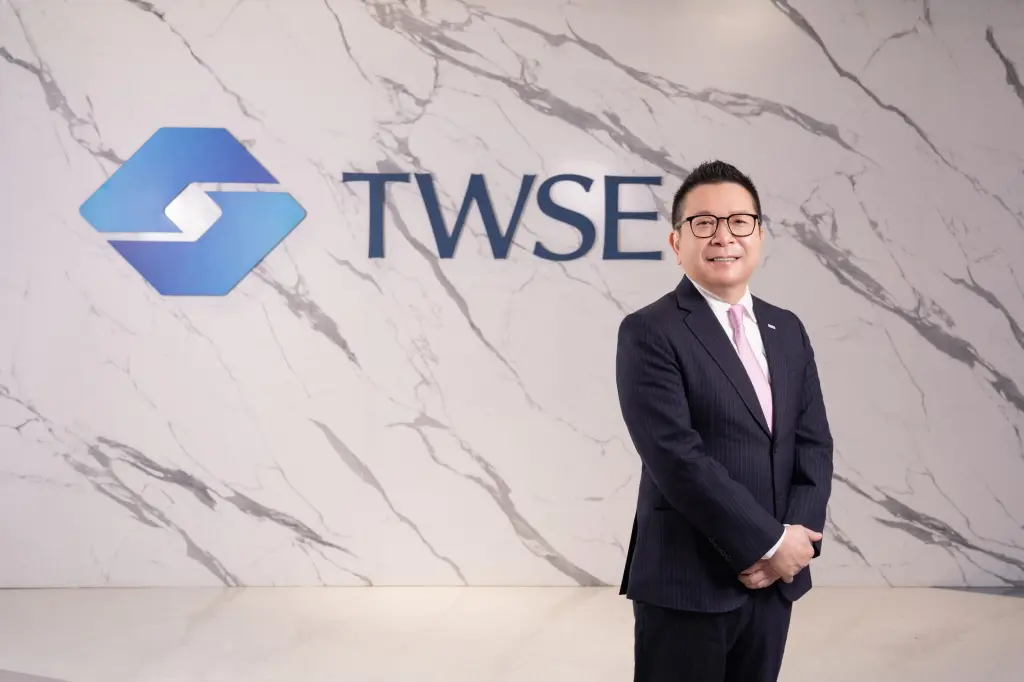
Two of Southeast Asia's stock exchanges are taking different paths toward the same goal, pulling more technology companies onto their boards while the global AI boom sends capital chasing tech listings everywhere it can find them. The Stock Exchange of Thailand, under president Asadej Kongsiri, is preparing to ease its IPO requirements to make local listing more realistic for younger, fast growing companies. The Singapore Exchange, under president Michael Syn, is taking a different route, leaning on its partnership with Nasdaq to offer companies a bridge to a globally recognized tech listing brand without leaving the region entirely.
The push addresses a problem both exchanges know well. For years, many of Southeast Asia's most promising technology companies have skipped their home markets altogether, listing instead in New York or Hong Kong, where deeper pools of capital and investors already fluent in pricing high growth tech stocks made the decision an easy one. That pattern has left SET and SGX watching some of the region's own success stories debut on someone else's exchange.
Thailand's approach: lower the bar
SET's plan to ease its IPO requirements is a straightforward lever, and one exchanges around the world reach for when they want to widen the pool of companies that can realistically list. Younger technology firms often cannot meet the profitability or track record thresholds that traditional listing rules were built around, and loosening those requirements is a bet that more accessible rules will translate into more companies choosing Bangkok over a foreign exchange.
Singapore's approach: borrow scale and reputation
SGX is betting on something different, using its Nasdaq partnership to offer scale and brand recognition that a smaller regional exchange cannot build on its own. Rather than compete purely on listing rules, Singapore is positioning itself as a market that gives technology companies access to Nasdaq's global reputation for tech listings while still keeping a foothold in the region. It is a strategy built on borrowed credibility as much as regulatory flexibility.
Why the AI boom raises the stakes
The urgency behind both moves traces back to the broader AI investment surge reshaping global markets. Capital has poured into technology and AI linked companies at a pace that has made a hot listing valuable well beyond the money it raises, since a strong tech IPO tends to lift trading volumes, draw in new investors, and raise an exchange's profile for years afterward. Every exchange with ambitions in technology is competing for a piece of that momentum, and SET and SGX are no exception.
What it means for the region
For Southeast Asia, more competitive home exchanges could give the region's technology companies a real reason to list close to home instead of defaulting to Wall Street or Hong Kong. For investors in Thailand and Singapore, it could mean earlier access to the kind of high growth technology names that have historically stayed out of reach on local boards. Whether easing rules in Bangkok or borrowing scale in Singapore proves enough to shift where the next wave of Asian tech companies chooses to list is the question both exchanges will ultimately be judged on.