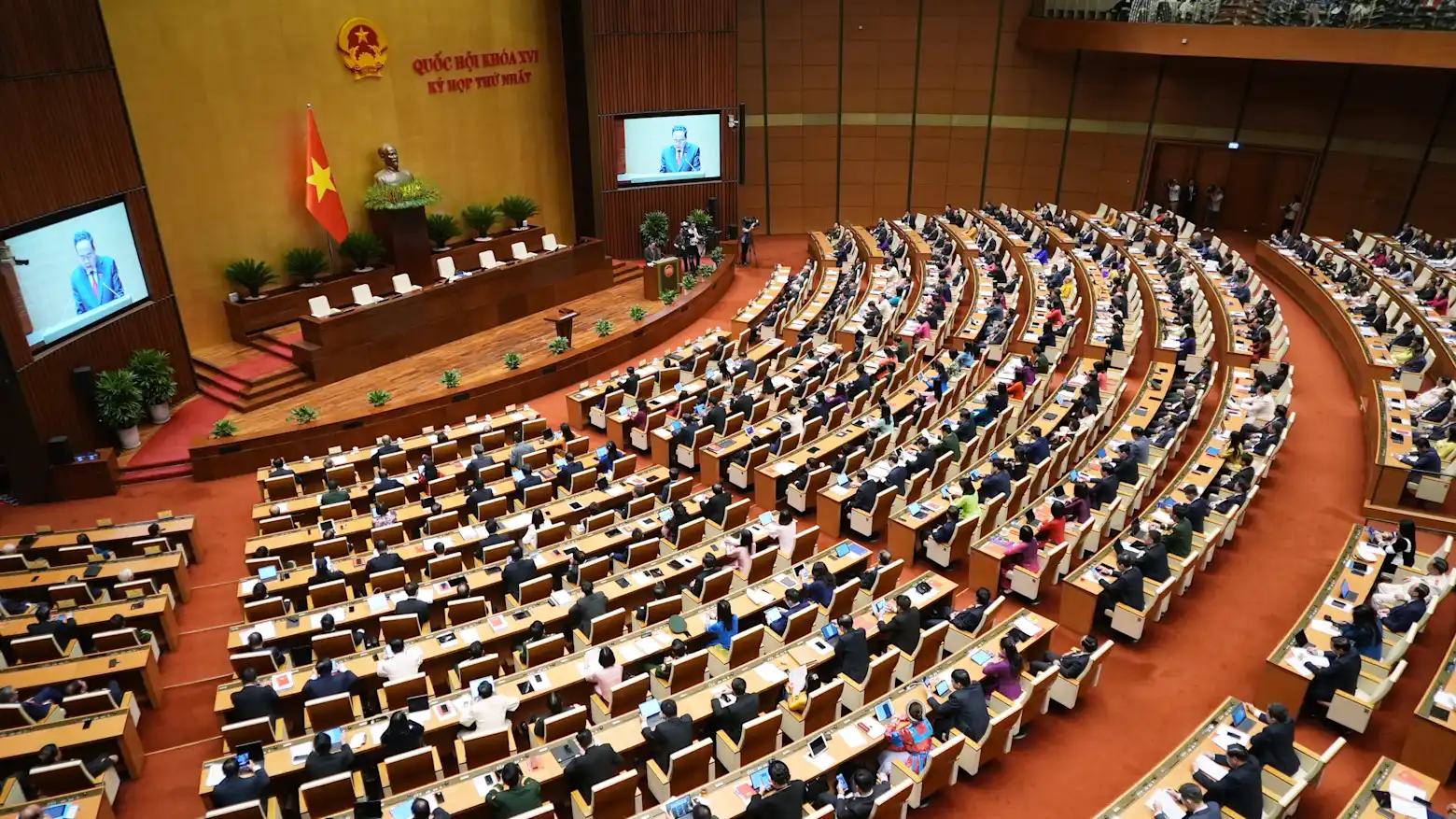
Investors across Southeast Asia are bracing for a busy stretch of regional catalysts this week, with the closing of Vietnam's National Assembly session, a fresh round of earnings from major Chinese oil and gas companies, and a closely watched speech from a Bank of Japan deputy governor all likely to move sentiment across the region's currency, equity and bond markets, according to Nikkei Asia.
The conclusion of Vietnam's legislative sitting carries particular weight for investors tracking one of Southeast Asia's fastest growing economies. National Assembly sessions in Hanoi routinely serve as a venue for lawmakers to finalize budget allocations, approve infrastructure spending plans and signal shifts in economic policy direction for the year ahead. With Vietnam continuing to position itself as an alternative manufacturing hub amid ongoing supply chain realignment away from China, any legislative decisions on foreign investment rules, tax incentives or state enterprise reform are likely to draw close scrutiny from multinational firms and portfolio investors alike.
Vietnam's economy has been a standout performer in the ASEAN bloc in recent years, buoyed by export-driven growth and steady foreign direct investment inflows into electronics, textiles and industrial manufacturing. The end of this assembly session will offer analysts a clearer picture of how Hanoi intends to balance growth ambitions against concerns about public debt, currency stability and the broader global trade environment, particularly as trade tensions between Washington and Beijing continue to influence where global manufacturers choose to locate new capacity.
On the corporate front, earnings reports from China's largest state-run oil and gas companies are expected to offer a window into the health of the world's second largest economy and, by extension, its appetite for imported energy and raw materials from Southeast Asia. These results typically reflect broader trends in Chinese industrial activity, domestic fuel demand and refining margins, all of which have downstream effects on regional economies that supply China with commodities, from Indonesian coal and palm oil to Malaysian liquefied natural gas.
Weaker than expected results from Chinese energy majors could reinforce concerns that domestic demand in China remains sluggish, a dynamic that has already weighed on commodity exporters across the region throughout the year. Conversely, resilient earnings could ease some of the anxiety that has built up around China's slower post pandemic recovery and offer a modest tailwind to regional trade flows.