Asia's shift away from fossil fuels was never going to move in a straight line, and a new analysis from Moody's Ratings makes the case that recent years have bent that line further than expected. Rahul Ghosh, the firm's global head of sustainable finance and emerging markets, describes the region as pursuing what he calls a pragmatic transition, one that keeps sustainability on the agenda while giving equal weight to energy security and the cost of keeping the lights on. Fossil fuels have not disappeared from that plan. In many countries they have become more central to it, not less.
Part of what is driving this shift, in Ghosh's framing, is a broader erosion of the multilateral cooperation that once gave climate policy its momentum. Where governments used to coordinate around shared targets, Asian countries are increasingly setting energy strategy around their own security needs first, treating collective climate commitments as secondary to keeping their own economies supplied with reliable power.
Two shocks that changed the calculus
Two recent events sit behind that shift. Russia's 2022 invasion of Ukraine sent fuel prices surging and exposed how quickly an energy crisis can ripple across import dependent economies. More recently, strikes on Iran in February and the closure of the Strait of Hormuz served as a sharp reminder to Asian governments of just how exposed the region remains to disruptions in Middle Eastern energy supplies, a dependency that no amount of climate ambition can fully offset overnight.
Coal comes back into favor
The clearest sign of the shift is coal. China, South Korea, and Indonesia have all expanded coal capacity since 2020, a reversal of the trajectory climate advocates had hoped for. The Philippines leaned on coal plants to boost output during an energy crisis in March, underscoring how quickly governments will reach for familiar, reliable generation when supply gets tight, whatever their longer term decarbonization goals say.
Nuclear as the other side of the pragmatic bet
Japan is taking the opposite fuel path to the same goal, building up its nuclear fleet as a hedge against import dependency. The country is planning to have as many as five new nuclear reactors running by the 2040s, with a longer term goal of 14 by the 2050s. Nuclear power offers something coal cannot, a large, steady source of low carbon electricity that does not depend on shipping lanes or foreign fuel supply chains staying open, which is precisely the kind of security Ghosh's analysis says is now driving the region's choices.
Money still flowing into clean technology
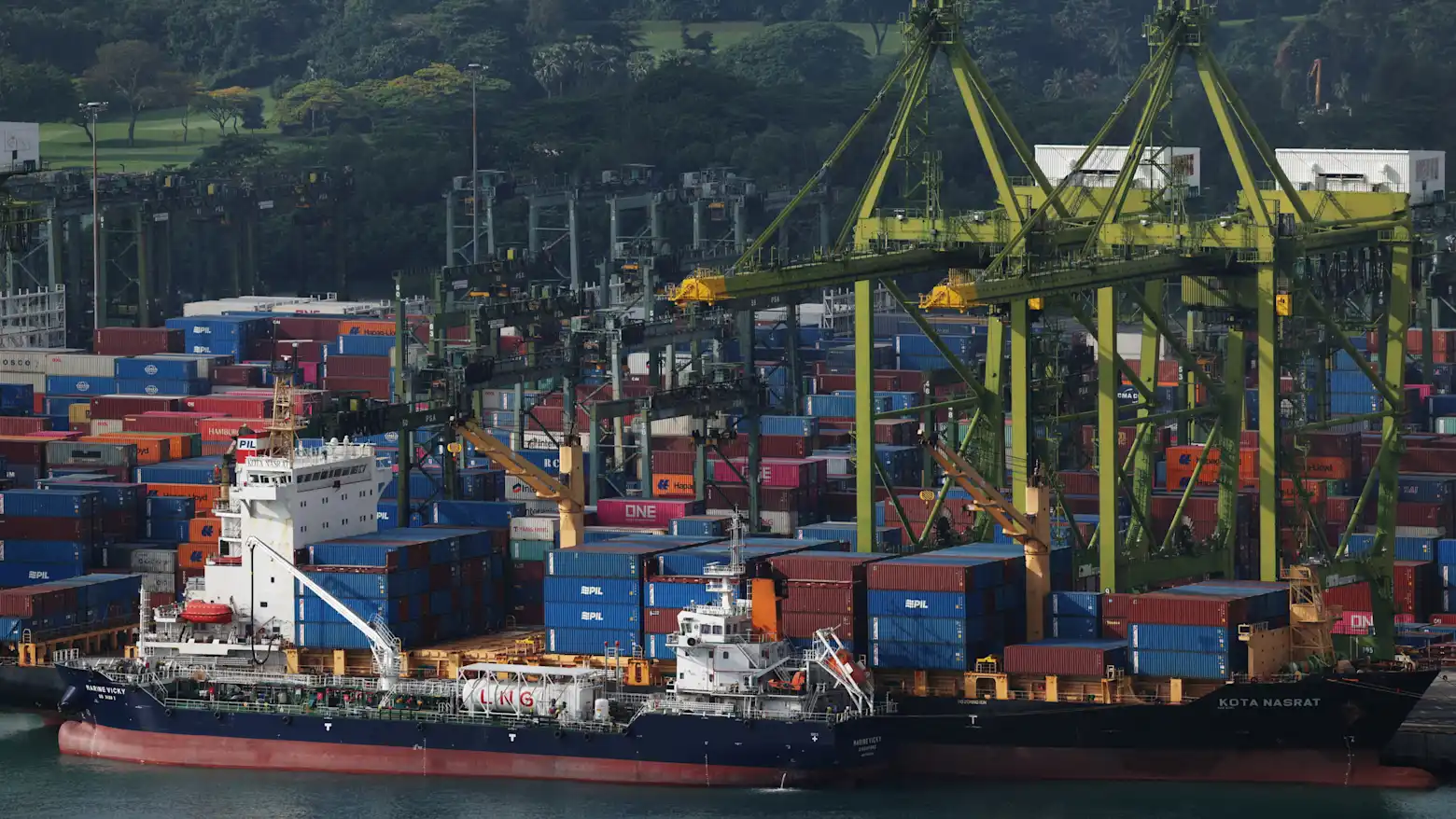
None of this means climate investment has stalled. Singapore has committed 800 million Singapore dollars to low carbon research, alongside a separate 631 million dollar allocation for decarbonization technology, while targeting a reduction to between 45 and 50 million tonnes of carbon dioxide emissions by 2035. The picture Moody's paints is not abandonment of the green transition so much as a rebalancing of it, with security and cost sitting alongside climate targets rather than beneath them.
Adaptation becomes its own priority
Ghosh's analysis also points to a parallel and arguably underappreciated trend, rising investment in climate adaptation infrastructure like floodgates, dams, and early warning systems, as governments prepare for climate impacts that are already arriving rather than waiting to prevent them entirely. He flags a real gap behind that spending, noting that large portions of Asia remain underinsured against natural disasters, leaving a financial hole that adaptation infrastructure alone cannot close.
What it means for Southeast Asia
For Southeast Asian economies, the pattern Moody's describes is already familiar. Indonesia and the Philippines both sit inside the trends Ghosh highlights, leaning on coal when supply gets tight while continuing to court renewable investment and plan adaptation infrastructure of their own. The bigger takeaway for the region is that energy security and climate ambition are no longer being treated as competing priorities to choose between, but as two halves of the same planning problem that governments across Asia are now trying to solve at once.