Vietnam is moving to elevate two of its most important economic territories, planning to turn Bac Ninh and Quang Ninh into cities run directly by the central government. On paper it is an administrative reclassification. In practice it is a bet that giving these provinces higher status, and the autonomy and resources that come with it, will speed up growth in a manufacturing powerhouse and a tourism jewel that Hanoi cannot afford to let stall.
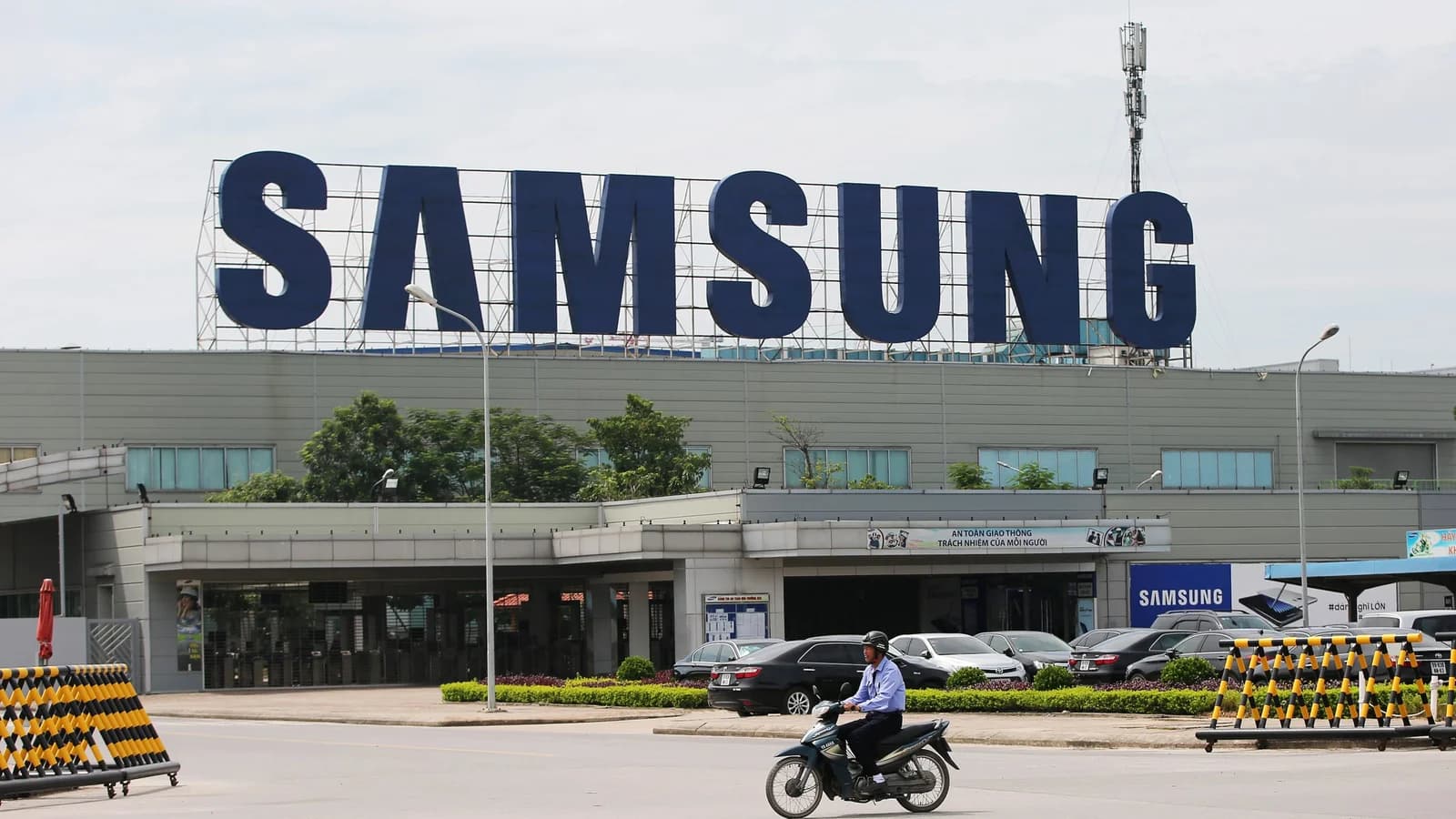
The two places could hardly be more different in character, which is part of the point. Bac Ninh is Vietnam's industrial engine room, the province that hosts a large share of Samsung's manufacturing and ranks as the country's biggest exporting locality. Quang Ninh, on the northeastern coast, is best known for Ha Long Bay, the UNESCO listed seascape that anchors a tourism economy, and it also carries heavy industry and a strategic border with China. Together they represent the two growth stories Vietnam most wants to protect, high-tech export manufacturing and services.
What central-city status actually does
In Vietnam's system, a handful of localities are governed directly by the central government rather than sitting under a province, a tier that already includes Hanoi, Ho Chi Minh City, and a few others. That status tends to bring greater administrative autonomy, a larger and more flexible budget, and a higher priority in national planning. Promoting Bac Ninh and Quang Ninh into that tier is a way of signaling that the state intends to concentrate attention and investment on them, and of removing some of the bureaucratic friction that can slow big projects at the provincial level.
The move fits a broader push in Hanoi to reorganize how the country is administered and to build what officials describe as new growth poles, concentrated zones expected to pull the wider economy along behind them. Rather than spreading resources thinly, the strategy leans into places that already work, doubling down on proven winners so they can absorb more factories, more tourists, and more capital without choking on their own success.
Keeping the investment coming
The urgency behind all this is foreign direct investment. Vietnam has been one of the biggest winners from the reshuffling of global supply chains, as manufacturers diversify production away from a single country and look for stable, lower-cost bases in Southeast Asia. Bac Ninh, with Samsung as its anchor tenant, is the clearest symbol of that success, and the government wants to make sure the next wave of investors sees a place that is easy to build in and backed by the full weight of the state.
Quang Ninh carries a different but complementary promise. Its tourism draw is world class, its industrial and port capacity is real, and its border position makes it a natural gateway for trade. Elevating it alongside Bac Ninh suggests Hanoi wants growth poles that combine manufacturing muscle with services and connectivity, rather than betting the strategy entirely on factories. For a country trying to move up the value chain, a diversified pair of engines is more durable than one.
The read from Southeast Asia
For the wider region, Vietnam's plan is a reminder of how deliberately it is competing for the capital that everyone wants. As companies continue to spread their supply chains across Southeast Asia, the countries that win the biggest share are the ones that make investing feel low-risk and well-supported, and administrative upgrades like this are part of that pitch. Vietnam is effectively telling investors that its best locations will get first-class governance to match their economic importance.
It is also a template worth watching for Vietnam's neighbors. The idea of picking a small number of high-performing zones and giving them the tools to grow faster, rather than trying to lift everywhere at once, is a choice other emerging economies in the region are weighing as they chase the same manufacturing relocation. Whether concentration or breadth is the smarter path is an old development debate, but Vietnam has made its preference plain, and with Samsung and Ha Long Bay as its showcases, it has two of the strongest cases in Southeast Asia to build on.