Japan's parliament approved a plan on Friday to create a second capital away from Tokyo, a decision that pairs cold risk management with a longer running ambition to loosen the grip of the country's dominant metropolis. Osaka has emerged as the leading candidate to host the backup seat of government, putting the western commercial hub at the center of a project that could reshape where power and money sit in the world's fourth largest economy.
The immediate logic is defensive. Tokyo and its surrounding prefectures concentrate an extraordinary share of the nation's government, finance, and corporate headquarters in a zone that sits on top of active seismic faults. A major earthquake striking the capital would not only cause human tragedy, it would risk paralyzing the machinery of the state at the exact moment the country most needed it to function. A second capital is meant to keep essential government operating even if Tokyo is knocked offline.
More than an insurance policy
The plan is also an argument about balance. For decades, talent, capital, and ambition have flowed toward Tokyo, leaving other regions to manage slow decline. The capital's gravitational pull has been so strong that policymakers have described the imbalance as a national vulnerability in its own right, separate from the earthquake threat. Designating a second capital is a way of telling companies and workers that the future does not have to run through a single set of postcodes.
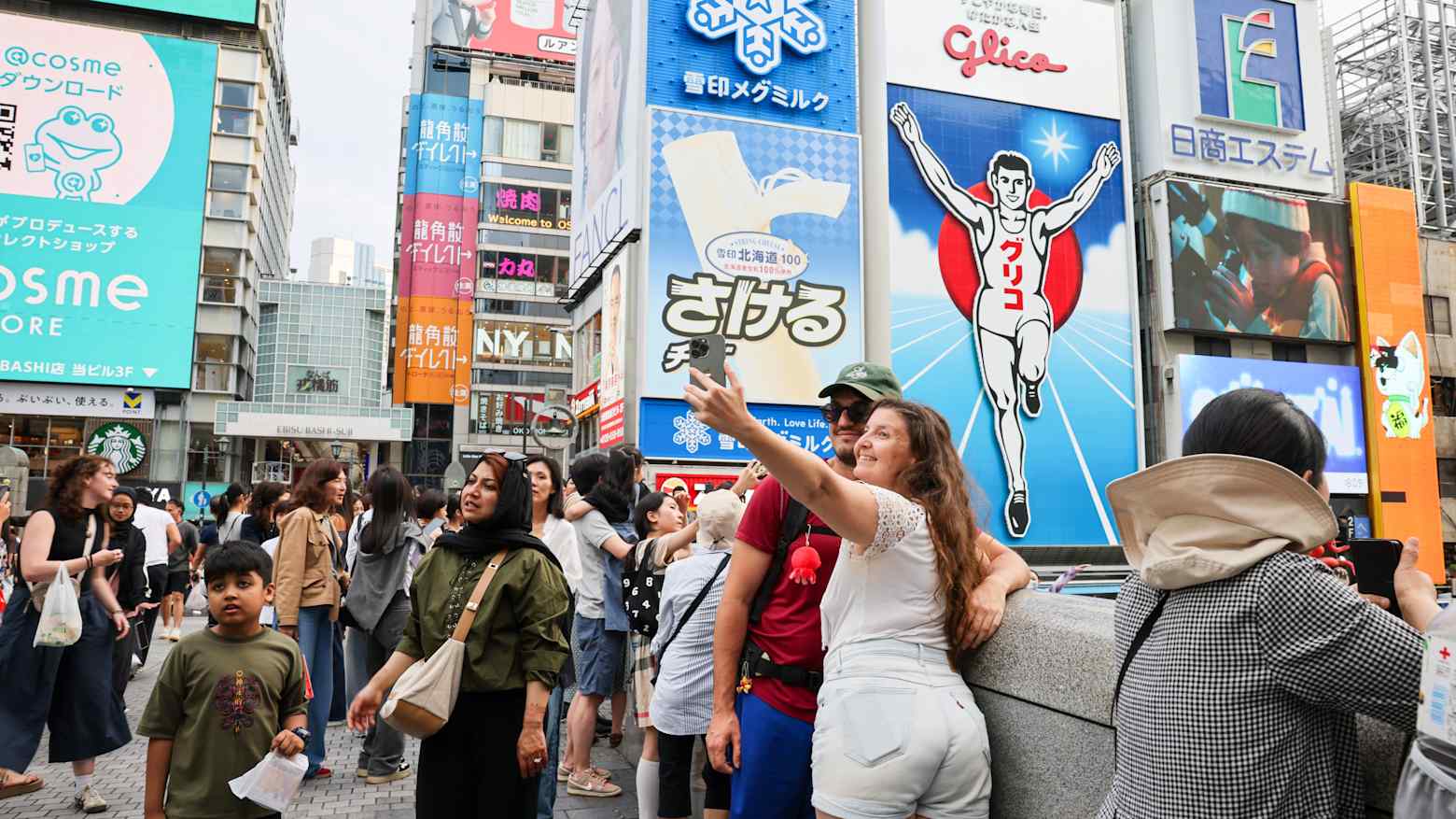
Osaka is the natural choice and also a revealing one. The city was once the mercantile heart of the country and still anchors a large industrial and consumer market, yet it has spent years watching corporate head offices migrate east to Tokyo. Handing it a share of the capital function is an attempt to reverse that drift, giving businesses a reason to keep senior people and decision making in the west rather than treating Osaka as a branch office of the capital.
What the market will actually watch
For investors, the interesting questions are practical rather than symbolic. Which ministries or agencies actually relocate, and on what timetable. How much public money flows into transport, offices, and housing to support the shift. Whether the government pairs the designation with tax or regulatory incentives strong enough to move private headquarters, not just public desks. A capital in name only would change little, while a genuine transfer of functions could lift Osaka property, construction, and regional banking for years.