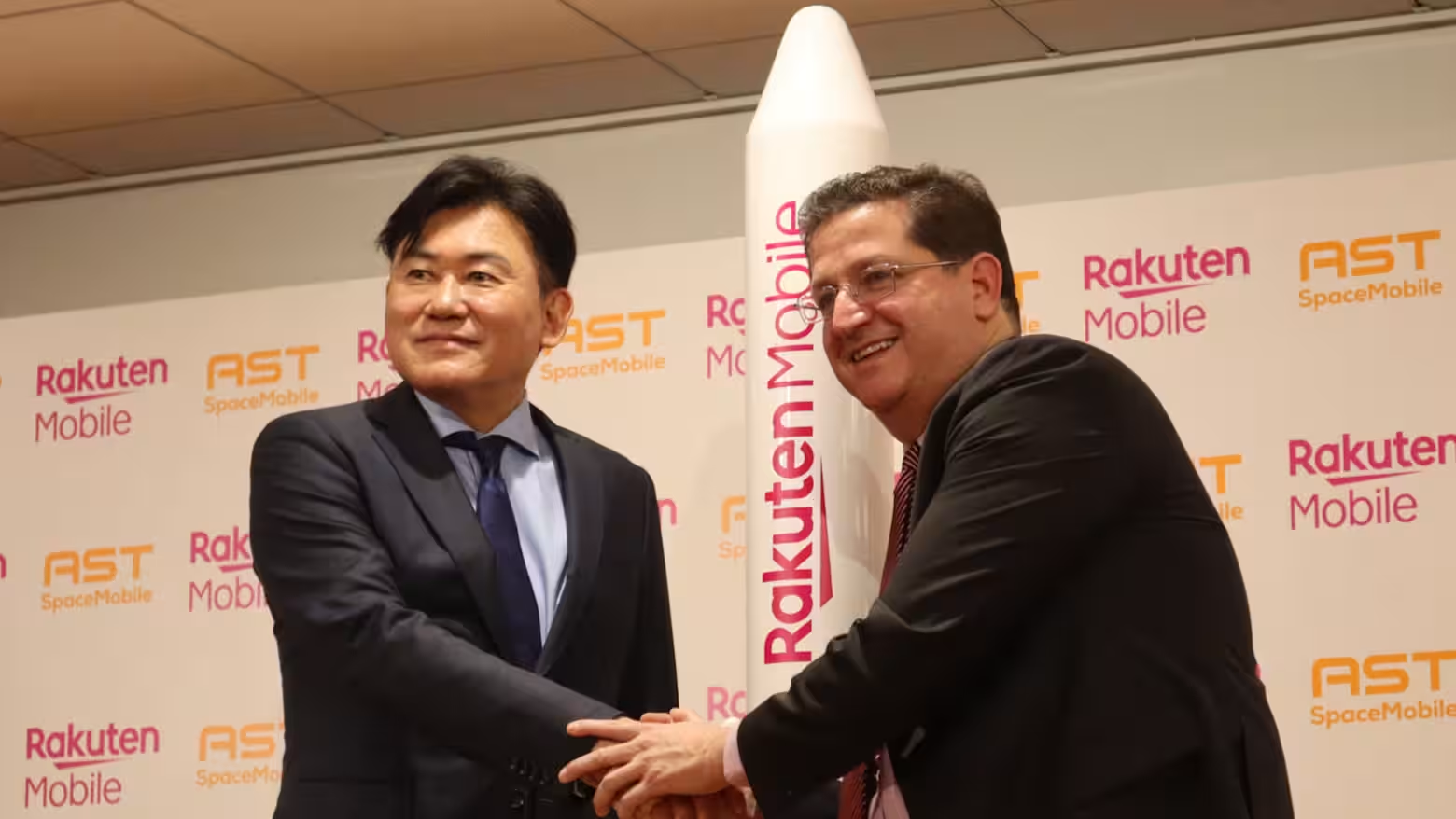
Rakuten Group is moving to close one of mobile carriers' most stubborn problems, the dead zones where phones simply cannot reach a tower, by going straight to space. The company is partnering with US firm AST SpaceMobile to launch a direct to cell satellite service in Japan as early as 2026, letting standard smartphones connect to satellites overhead without needing special equipment, a dish, or even a software update most users would notice.
That last detail is the whole point of the technology. Earlier attempts at satellite phone service required dedicated satellite handsets or bulky external hardware, a nonstarter for mainstream consumers who were never going to carry a second device just for emergencies. AST SpaceMobile's approach works with phones already in people's pockets, turning satellite coverage from a niche product into something closer to an invisible backup layer sitting behind the existing network.
A direct shot at Starlink
The move puts Rakuten Group, led by chief executive Hiroshi Mikitani, in direct competition with SpaceX's Starlink, which has been racing to roll out its own direct to cell satellite service globally. Whoever locks in local telecom partnerships first tends to have the advantage in this kind of race, since satellite to phone service depends on cooperation with the carriers that already control spectrum and customer relationships in a given country. By partnering directly with Rakuten, AST SpaceMobile and its chief executive Abel Avellan are betting on getting there in Japan before Starlink can lock down its own local arrangement.