The United States and Europe have made their position on the yuan clear for years, that a meaningfully stronger Chinese currency is a necessary piece of fixing the trade imbalance between China and its largest trading partners. Beijing has heard the argument and kept moving at its own pace anyway, allowing only gradual appreciation rather than the kind of sharp move Western policymakers would prefer to see. The gap between what the West is asking for and what China is willing to deliver remains wide, and it is not closing quickly.
The scale of that gap is notable. Some estimates put the yuan as undervalued by as much as 30 percent relative to where market fundamentals would suggest it should sit. A currency gap that large is exactly the kind of imbalance that keeps Chinese exports cheap on international markets, reinforcing the trade surpluses that have become one of the central friction points in China's economic relationship with the US and Europe.
Why Beijing will not just let the yuan rip
China's reluctance is not simply about resisting foreign pressure for its own sake. A rapid yuan appreciation would make Chinese exports instantly more expensive abroad, squeezing factory margins that are already thin after years of brutal domestic price competition. For manufacturers operating close to the edge, a sudden currency shift strong enough to satisfy Western demands could be the difference between staying open and cutting workers, at a moment when China's broader economy is already grappling with deflation and the unemployment pressure that comes with it.
A currency fix for a problem that is not just currency
Part of what makes this standoff so persistent is that a stronger yuan alone would not actually solve the structural issues driving China's trade surplus. The imbalance reflects deeper dynamics, a domestic economy that still leans heavily on exports and manufacturing investment rather than consumer spending to generate growth. Adjusting the exchange rate without addressing that underlying structure is, in Beijing's calculation, treating a symptom while leaving the actual disease in place, which helps explain why Chinese policymakers have been unwilling to move faster even under sustained external pressure.
The politics sitting on top of the economics
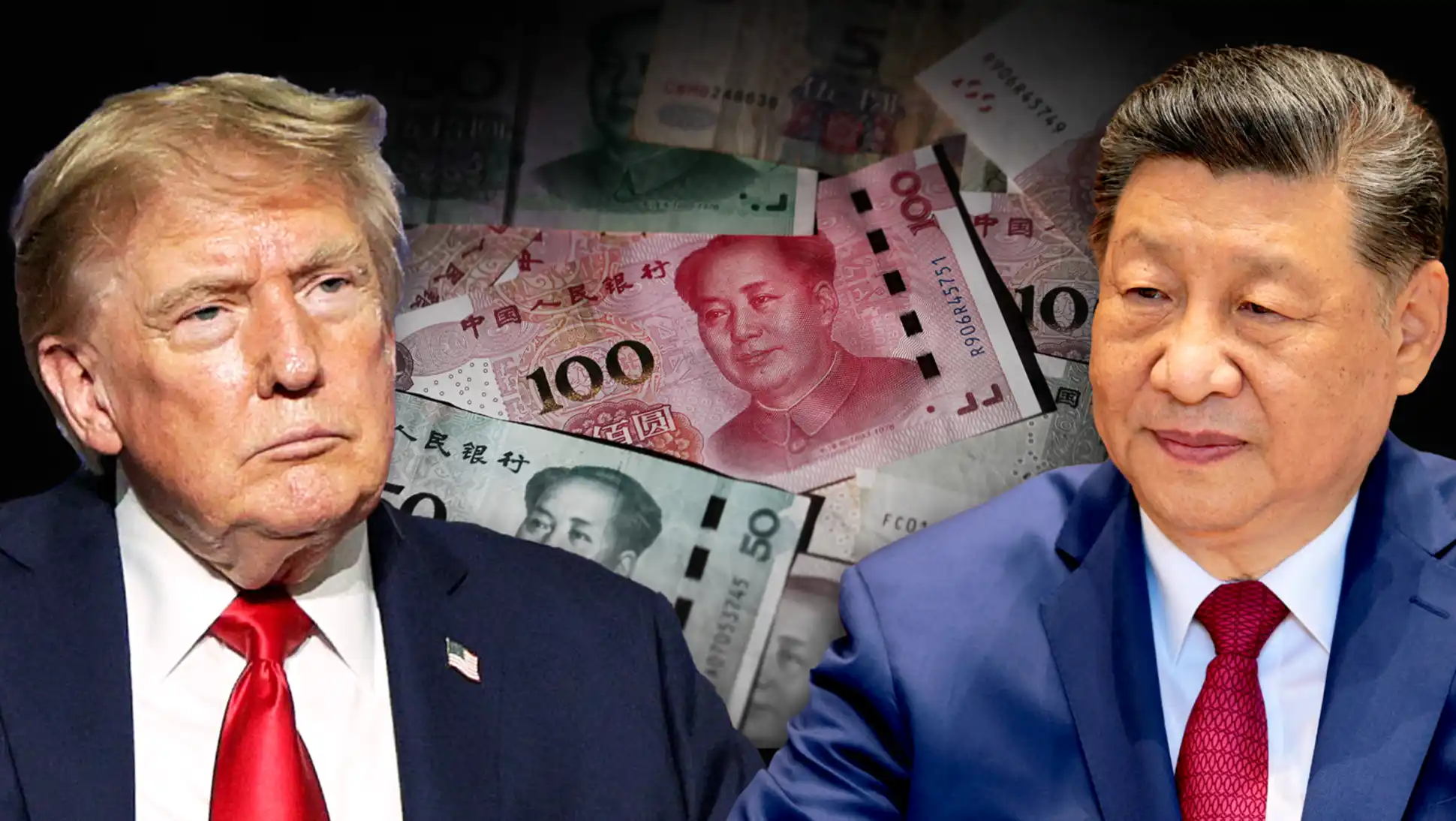
The currency dispute is unfolding against a backdrop of direct engagement at the highest level, with presidents Donald Trump and Xi Jinping meeting this week as trade tensions between the two countries continue to rise. Currency policy sits in the background of those talks rather than at the center, but it remains one of the clearest, most measurable flashpoints in the broader US-China trade relationship, a single number that both sides can point to as evidence the other is not doing enough.
What it means for the region
A slow moving yuan has direct consequences for Southeast Asia, where economies compete with China for the same export markets and where currencies often move in sympathy with the yuan to stay competitive. If China continues resisting a sharp appreciation, Southeast Asian exporters gain little relief from Chinese price competition in global markets, while any eventual shift in Beijing's currency policy would ripple quickly into how competitive the region's own exports look by comparison. For now, the standoff between Washington's demands and Beijing's caution leaves Southeast Asian trade planners with one more unresolved variable to watch.