China's stock exchanges are having one of their best years for new listings in a while, and this time the excitement is not coming from the usual internet giants. Combined IPO proceeds across Hong Kong and Shanghai have pushed past 54 billion dollars this year, and the companies pulling in that money are overwhelmingly chipmakers and robotics firms riding the same AI wave reshaping markets everywhere else in the world.
The most visible name on the list is Shein, the China founded fast fashion and e-commerce giant, which is debuting in Hong Kong in a blockbuster offering raising 1.7 billion dollars, one of the city's biggest share sales this year. It is a notable listing on its own, but in the context of this year's broader IPO wave, Shein is arguably the least AI adjacent name in the mix, a sign of just how much the current boom is really being carried by chips and robots rather than consumer brands.
The chipmaker that stole the show
CXMT, China's largest memory chipmaker, raised more than 8.6 billion dollars in Shanghai in July, the second largest offering ever on the Nasdaq style STAR market built for technology listings. Investors did not just show up, they piled in, sending shares up 466 percent on the first day of trading. A debut like that signals more than enthusiasm for one company, it reflects how much capital is chasing anything positioned to benefit from the AI buildout's appetite for advanced memory and computing hardware.
Robots have their moment, then a reality check
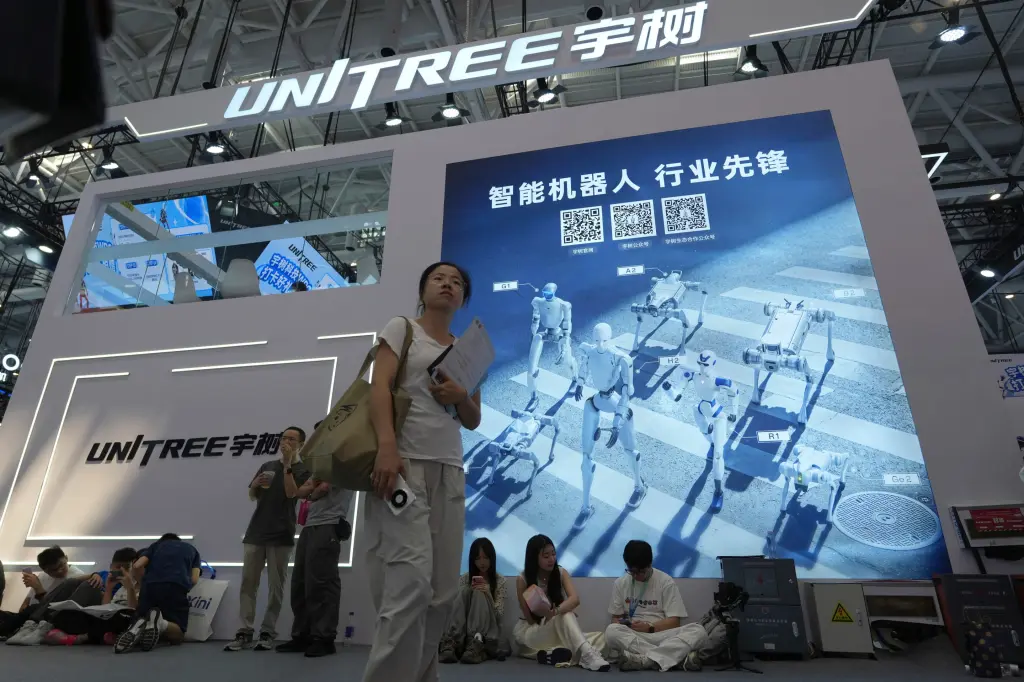
Unitree, one of China's leading humanoid robot makers, delivered an even more dramatic debut, with shares surging 460 percent on their first day of trading in Shanghai in August. That kind of pop tends to say more about the intensity of investor demand than about any one company's fundamentals, and Unitree's stock has since given back a large share of those gains, falling more than 40 percent from its peak by the following week. The swing is a reminder that AI and robotics enthusiasm can inflate valuations quickly, and unwind almost as fast once the initial excitement settles.
Why Hong Kong and Shanghai, and why now
Part of what is fueling the boom is a shift in where Chinese companies choose to list in the first place. A growing preference for Hong Kong and Shanghai over other venues, combined with investor hunger for anything connected to AI and robotics, has created ideal conditions for exactly the kind of offerings CXMT, Unitree, and now Shein represent. When capital wants exposure to a theme and issuers want a receptive market to sell into, both sides tend to gravitate to the same exchanges, and that is largely what has been happening this year.
What it means for Southeast Asia
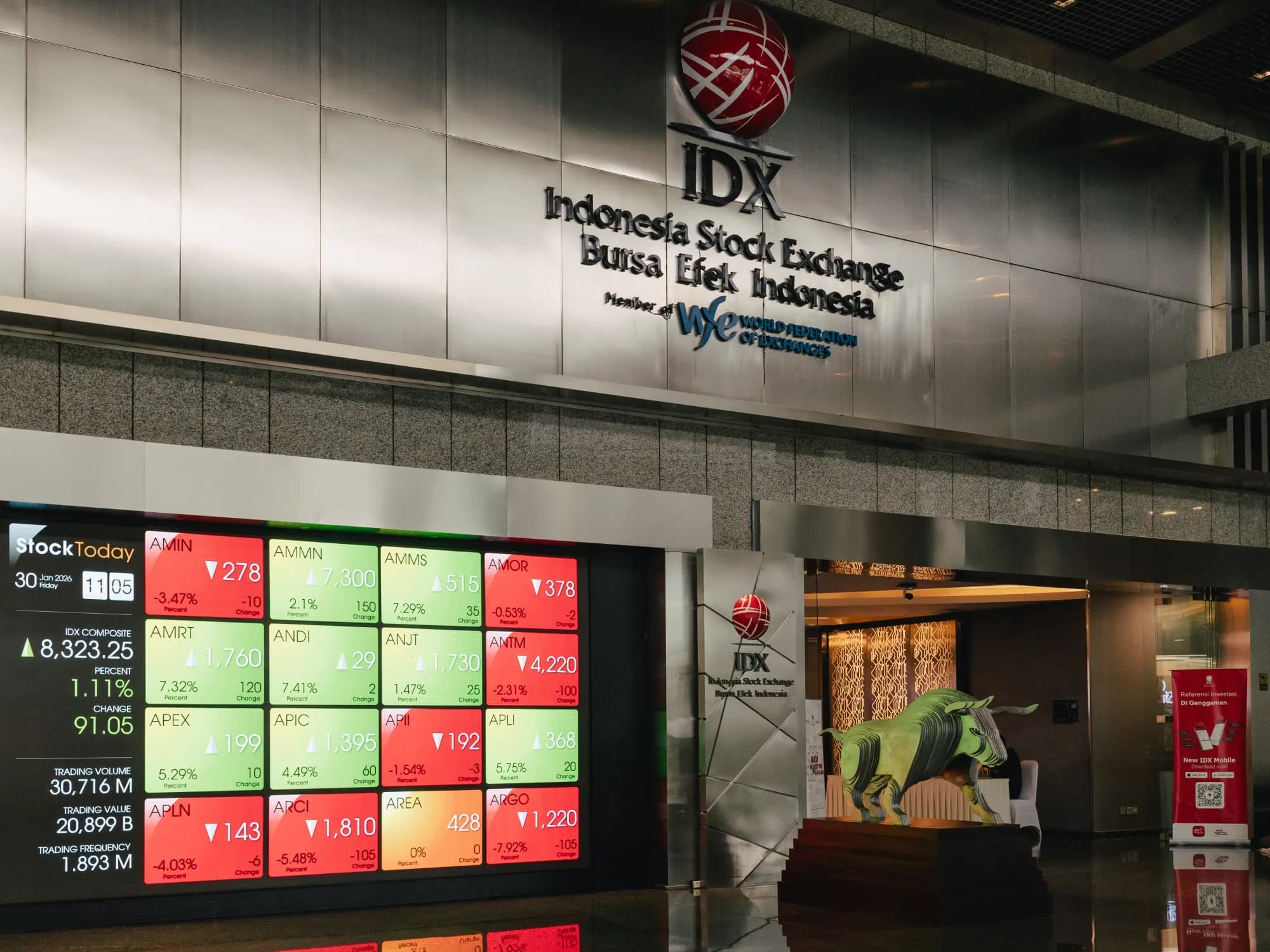
A booming Chinese IPO market does not stay contained to China. Regional investors, including funds and retail traders across Southeast Asia, often hold exposure to Hong Kong listed names, and a wave of high profile AI and robotics debuts tends to pull regional capital toward those offerings rather than home market alternatives. It also raises the bar for Southeast Asian exchanges trying to attract their own tech listings, since a red hot Hong Kong and Shanghai market makes staying home a harder sell for any regional company weighing where to go public.