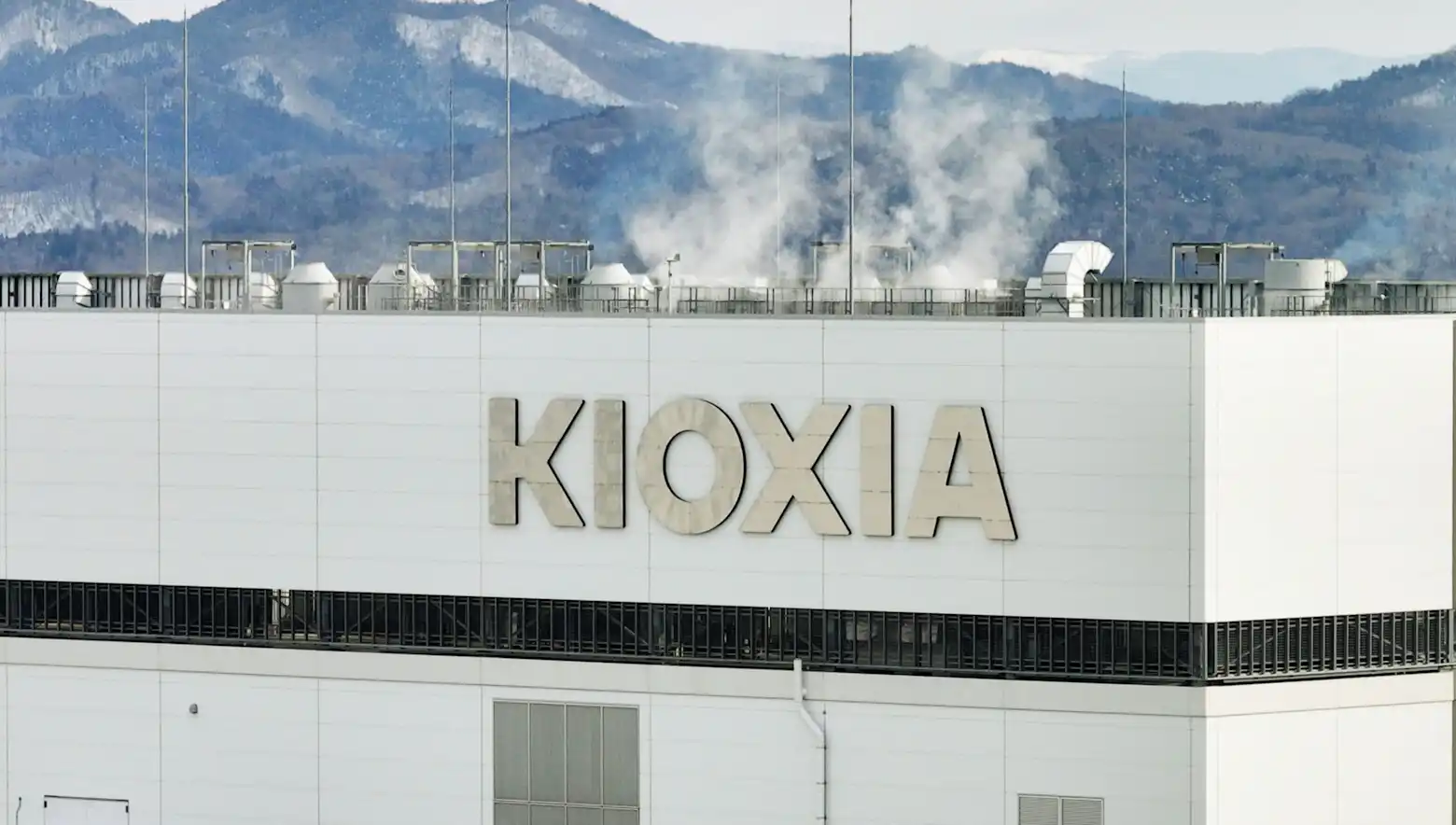
Bain Capital has pulled roughly 17 billion dollars in gains out of Kioxia, the Japanese memory chipmaker it assembled from Toshiba's discarded flash business eight years ago. The figure, about 2.5 trillion yen by Nikkei's estimate, would rank as the biggest return a private equity firm has ever generated from a single investment in Japan, and it caps one of the most patient and best timed technology bets of the past decade.
The story began in 2018, when a Toshiba reeling from an accounting scandal and the collapse of its American nuclear unit was forced to sell its crown jewel, the memory division now known as Kioxia. A Bain led consortium acquired it, structuring the deal through four special purpose vehicles that pooled capital from a range of co investors. At the time the price looked full and the asset looked cyclical, which is to say risky. The judgment that mattered was whether memory chips would still be strategically scarce years later.
How the timing paid off
They were, and then some. The surge in artificial intelligence has turned high performance memory from a commodity into a chokepoint, because the accelerators that train and run large models are useless without vast quantities of fast storage sitting beside them. Kioxia's shares rode that demand wave, and the rising valuation converted Bain's long held position into an exit worth many times the original outlay. A bet that depended on patience through the memory market's brutal down cycles was rescued and then rewarded by a boom almost nobody had modeled in 2018.
The mechanics of the payout matter as much as the headline number. Because the acquisition ran through multiple special purpose companies with several co investors, the 17 billion dollars is not a single fund's windfall but a return spread across the consortium that backed the original deal. Even so, the scale rewrites the record book for buyout economics in a market long considered difficult terrain for foreign private equity.
Why this lands beyond Tokyo
For investors across Asia, the Kioxia result is more than a trophy. It is a proof of concept for a specific playbook, the corporate carve-out, in which a struggling conglomerate is persuaded or pressured to sell a business it can no longer fund, and a buyout firm supplies the capital and patience the seller lacks. Japan has become the richest hunting ground for that strategy as its big industrial groups unwind decades of diversification, and a return of this size will pull yet more global capital toward the next candidate.