South Korea's cosmetics industry has climbed to become the world's second-largest exporter of beauty products, and the reason has less to do with any single famous label than with how the industry is organized. Behind a great many of the serums, cushions, and sheet masks that travel the world sits a contract manufacturer that designed and made the product for a brand that owns neither a laboratory nor a factory. It is a division of labor that mirrors, almost line for line, the model that turned Taiwan Semiconductor Manufacturing Co into the quiet backbone of the chip industry.
In semiconductors, TSMC pioneered the foundry approach, manufacturing chips that other companies design and sell under their own names. That split let a wave of fabless firms flourish, because a startup with a good design no longer needed billions of dollars of fabrication plants to compete. Korean beauty has arrived at the same arrangement through a different door. Specialist manufacturers handle the research, formulation, and production, while brands handle the story, the marketing, and the customer, and each side does what it is best at.
The companies most people never see
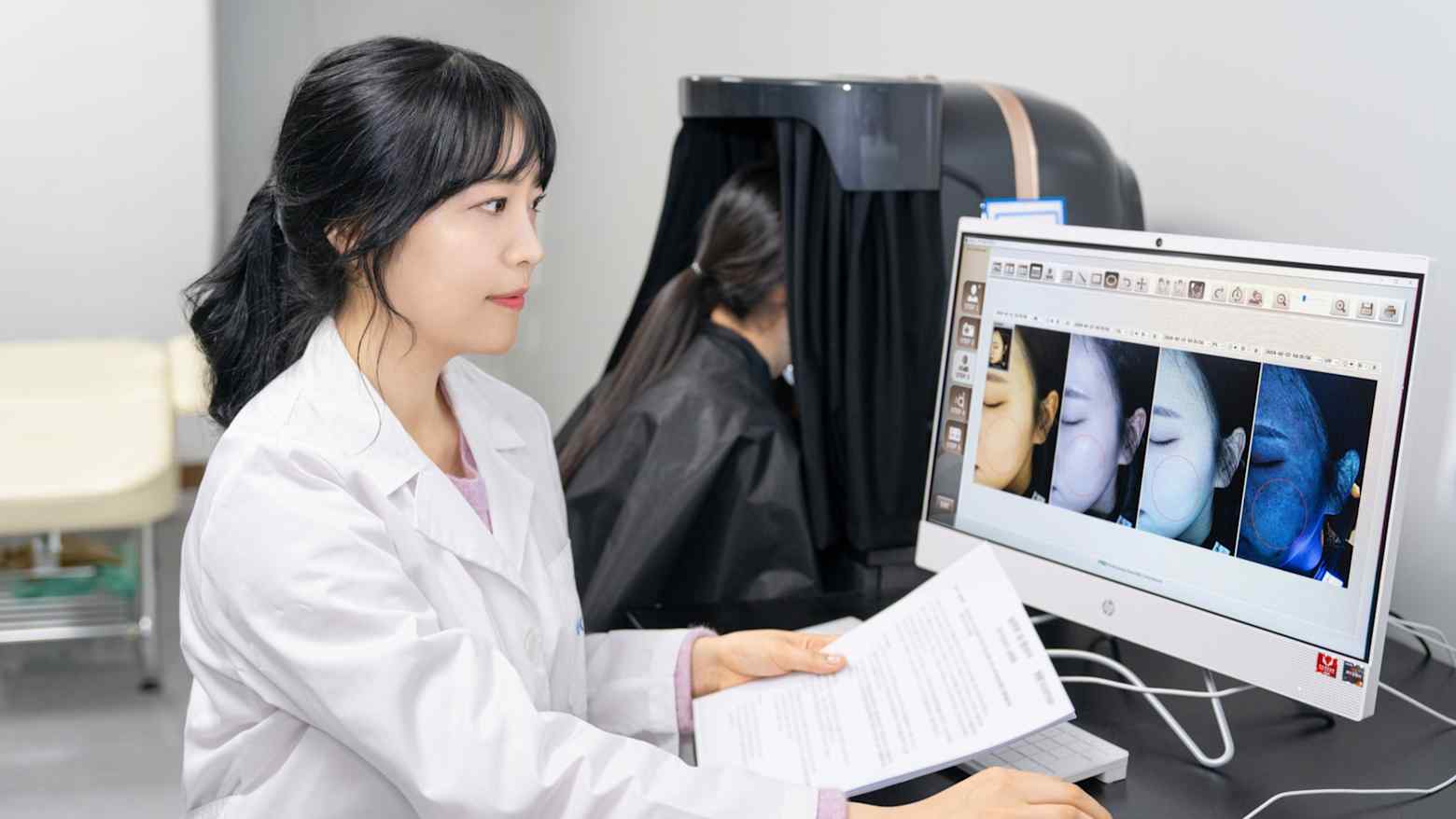
The clearest example is Kolmar, an original design manufacturer that carries no brands of its own and concentrates entirely on research and development and contract production. Alongside rival Cosmax, it forms the manufacturing core that lets South Korea turn ideas into shippable products at a speed few other beauty ecosystems can match. These firms are to cosmetics roughly what a foundry is to chips, invisible on the shelf but present inside a large share of what sits there.
The advantage this creates is speed. Because a brand can bring a concept to an experienced manufacturer that already holds the formulations, the regulatory know how, and the production lines, the gap between spotting a trend and selling a finished product collapses from years to months. In a market where beauty fashions move at the pace of social media, that velocity is the whole game, and it is what has allowed Korean products to catch and ride global trends rather than trail them.