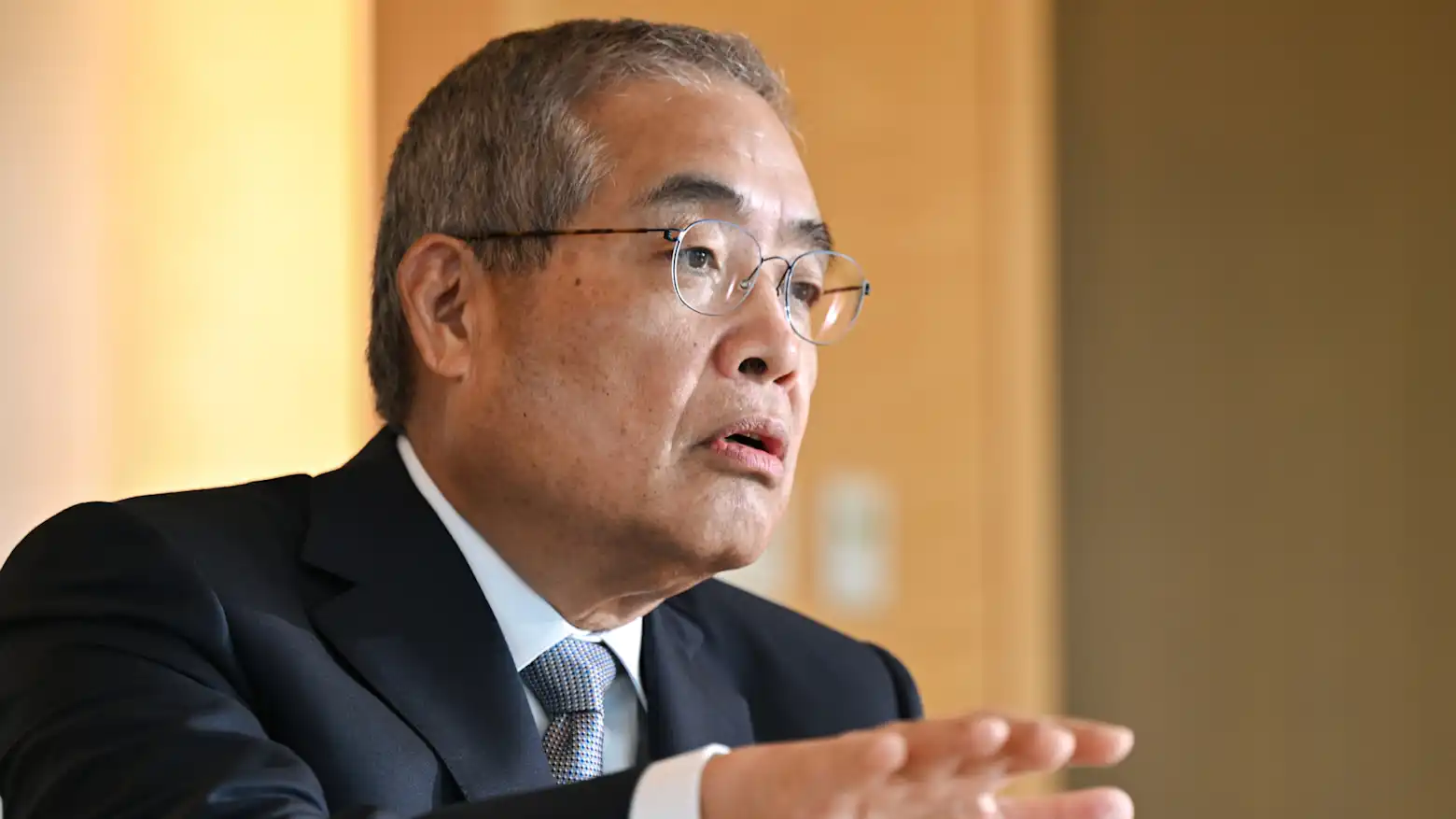
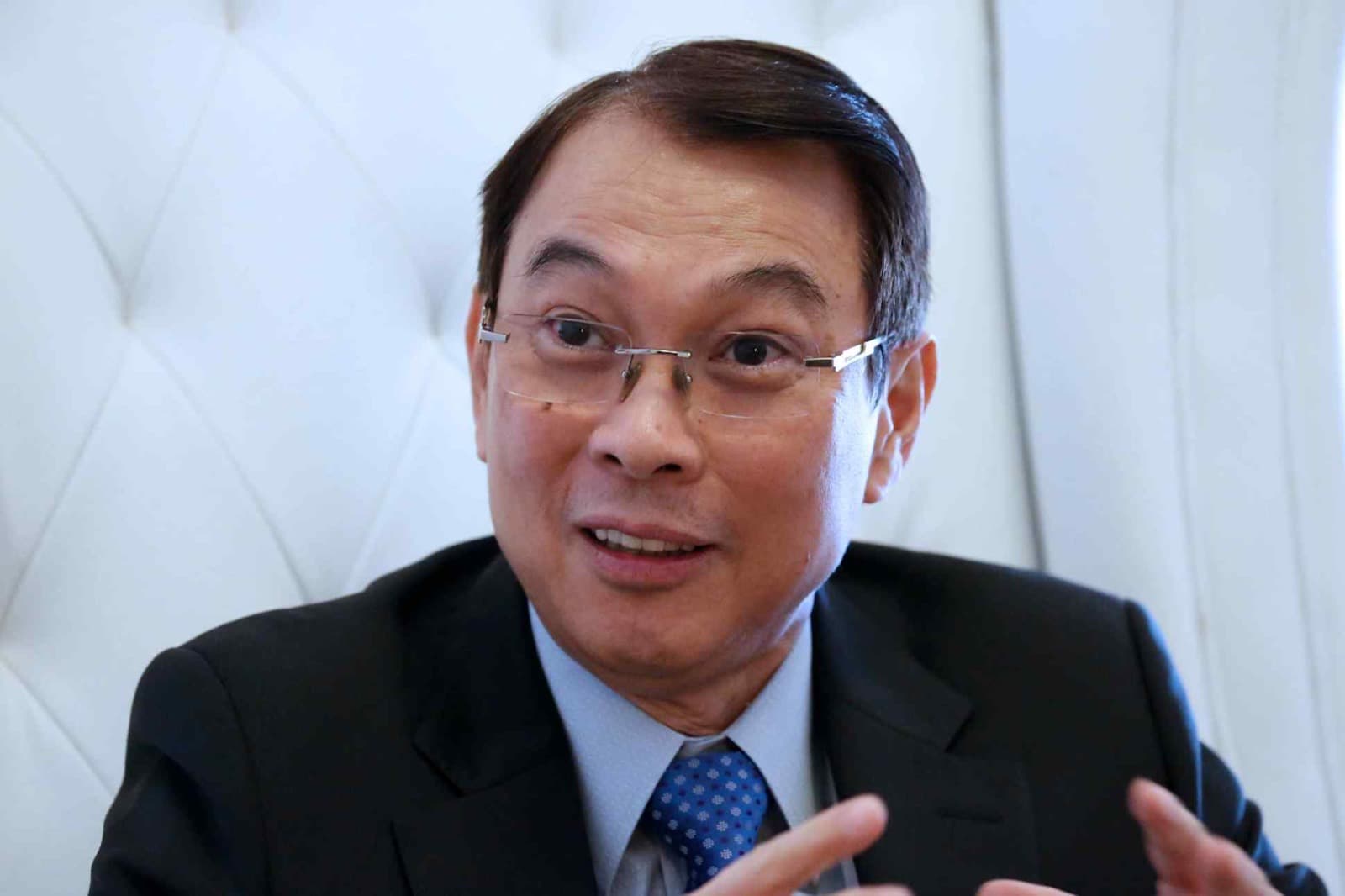
Most executives talk about geopolitical risk as something to be managed and endured. Katsuya Nakanishi, chief of Mitsubishi Corp, describes it almost as fuel. In an interview with Nikkei Asia, the head of Japan's sprawling trading house argued that the uncertainty rattling global markets, from trade tensions to conflict driven swings in energy prices, actually plays to the kind of business Mitsubishi has built over decades, one built around reading many possible futures at once rather than betting on a single outcome.
That argument is not just rhetoric. Mitsubishi Corp operates across an unusually wide spread of sectors, from energy and metals to food, machinery, and finance, and Nakanishi's view is that having a foothold in so many different businesses and regions gives the company a kind of built in hedge against any single shock. When Nakanishi talks about the firm's expertise in mapping out different scenarios, he is describing a discipline the trading house model has practiced for generations, now being tested by a world that keeps producing more scenarios to plan for.
Betting on AI to sharpen the judgment calls
Nakanishi also pointed to artificial intelligence as an increasingly central part of how Mitsubishi makes decisions, with a particular emphasis on the quality of the questions put to AI tools rather than the tools themselves. The distinction matters for a company like Mitsubishi, where the hard part of the job has never been access to information so much as judgment, deciding which risks are worth taking across dozens of markets and commodities at once. Better prompts, in his framing, mean sharper analysis feeding into those calls.
A record profit target underpins the confidence
The comments come as Mitsubishi Corp is targeting a record net profit of 1.2 trillion yen, about 7.5 billion dollars, for the fiscal year ending in March 2028. It is an ambitious number, and one that only makes sense if the company genuinely believes its current approach, leaning into complexity rather than retreating from it, is paying off. The target also lands against a backdrop of aggressive expansion, including record levels of debt financing, a sign that Nakanishi's confidence extends beyond words into how the balance sheet is being deployed.
Energy tensions are part of the tailwind
Some of that momentum is coming from outside Mitsubishi's own strategy. Elevated energy prices tied to geopolitical tensions around Iran have been a tailwind for Japan's trading houses broadly, Mitsubishi included, underscoring the same point Nakanishi is making in a different way. Instability in one part of the world can show up as an opportunity in a business diversified enough to be standing in the right place when it happens.
The bigger picture for Southeast Asia
Japanese trading houses like Mitsubishi Corp are deeply embedded in Southeast Asian supply chains, from energy and infrastructure projects to food and industrial materials, so a more aggressive and better capitalized Mitsubishi has knock on effects well beyond Japan. A company willing to lean into volatility rather than pull back from it is more likely to keep funding the regional joint ventures, energy deals, and logistics investments that Southeast Asian partners depend on, even as the geopolitical backdrop that makes those bets riskier shows no sign of calming down.