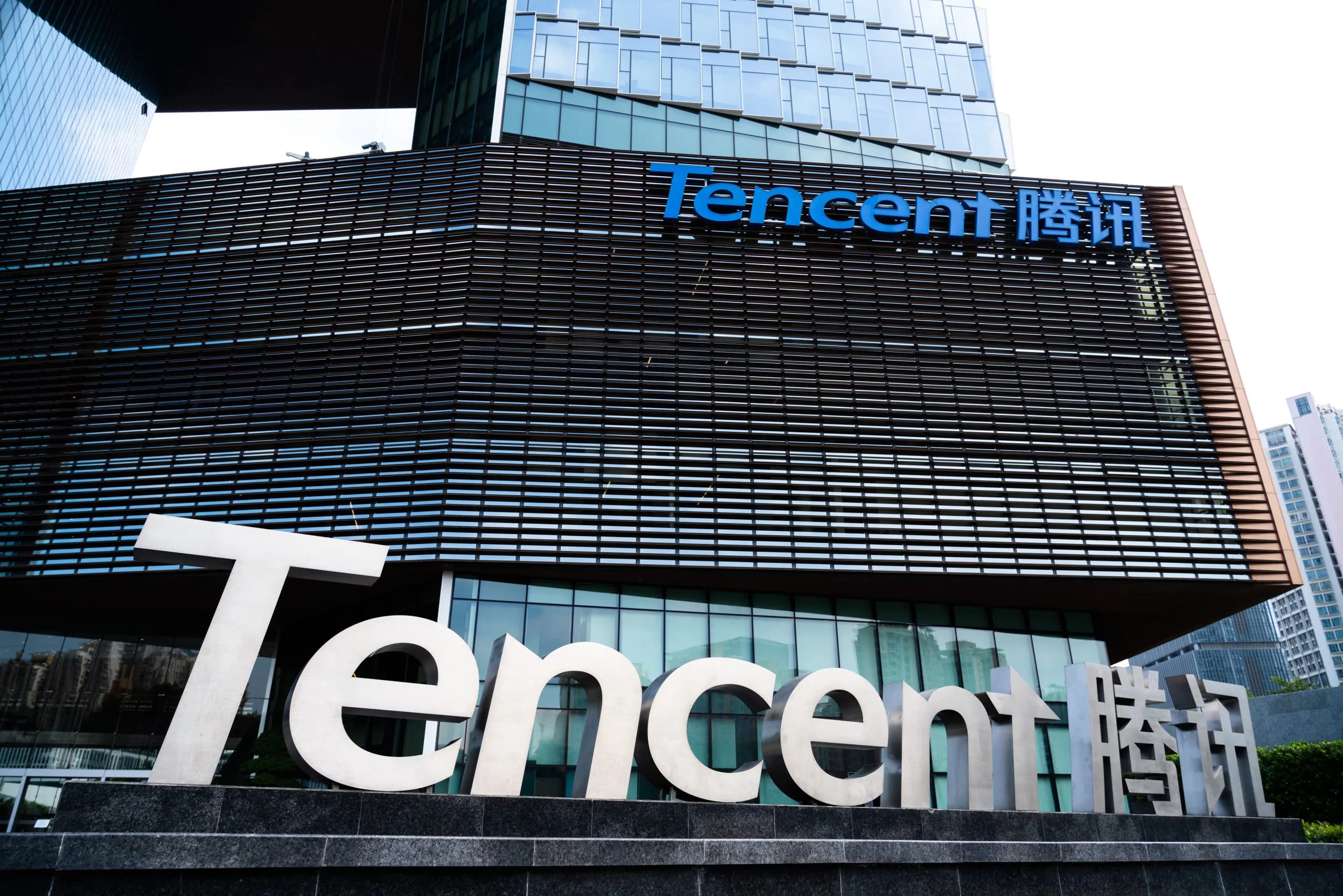
Tencent, China's most valuable company, reported second-quarter revenue of 204.8 billion yuan, about 30.3 billion dollars, an 11 percent increase from a year earlier that came in ahead of the 201.8 billion yuan analysts polled by LSEG had expected. The beat was not large in percentage terms, but its source is what caught attention, because the growth was powered by advertising that Tencent has been sharpening with artificial intelligence.
That detail matters far more than the headline number. For the past year investors have pressed technology companies everywhere on a single hard question, which is whether the enormous sums being poured into artificial intelligence will ever translate into real revenue rather than expensive promise. Tencent's quarter is a concrete answer, showing AI feeding directly into the part of the business that turns attention into cash.
How AI shows up on the top line
Advertising is the cleanest place for AI to prove its worth. Better models can target ads more precisely, generate and tailor creative more cheaply, and squeeze more revenue from the same pool of user attention, and Tencent sits on one of the largest such pools on earth through its sprawling social and content platforms. When the company says its advertising is AI enhanced, it is describing a flywheel in which smarter systems make each advertising slot more valuable without needing more users.
Two products underline the point. Tencent flagged its desktop agent, WorkBuddy, as an emerging bright spot, and said its Hy3 model is rapidly gaining users, both signs that it is having more success commercializing artificial intelligence than the market had assumed. The significance is less about any single tool than about the direction, a company moving from spending on AI to earning from it, which is the transition every large technology firm is now being judged on.
A rebuttal to the doubters
The result lands in the middle of a jittery debate about whether the AI boom is running ahead of its returns. Skeptics have warned that software and internet companies could see heavy investment with little to show for it, and some technology stocks have swung violently on exactly that fear. Tencent's numbers do not end the argument, but they add a heavyweight example to the optimistic side, a giant demonstrating that AI can lift a mature, cash generating business rather than merely drain capital into research.
It is worth keeping the scale of the beat in proportion. Growing 11 percent and edging past estimates is a solid quarter, not a blowout, and a single strong period does not prove the gains will compound. The durable question is whether AI enhanced advertising keeps widening its lead quarter after quarter, or whether the early boost fades as rivals deploy the same tools. For now, though, Tencent has shown the payoff is real and arriving sooner than expected.
The read from Southeast Asia
For the region, Tencent is not a distant name. Its games, its fintech reach, and the wider ecosystem around its platforms touch users and businesses across Southeast Asia, and it is an active investor in the region's technology companies. A Tencent that is successfully monetizing AI is a stronger and more acquisitive partner, and the advertising techniques it is refining at home tend to find their way into the products and portfolio companies it backs abroad.
There is a broader signal for regional markets too. The worry that AI spending would not pay for itself has weighed on technology valuations globally, and evidence that a major platform can convert AI into advertising revenue helps steady sentiment across the sector. Investors in Southeast Asia with exposure to Chinese and global technology names have reason to read this quarter as a data point on the reassuring side of the ledger, a reminder that the companies with real audiences and real ad businesses are the ones best placed to make artificial intelligence pay.