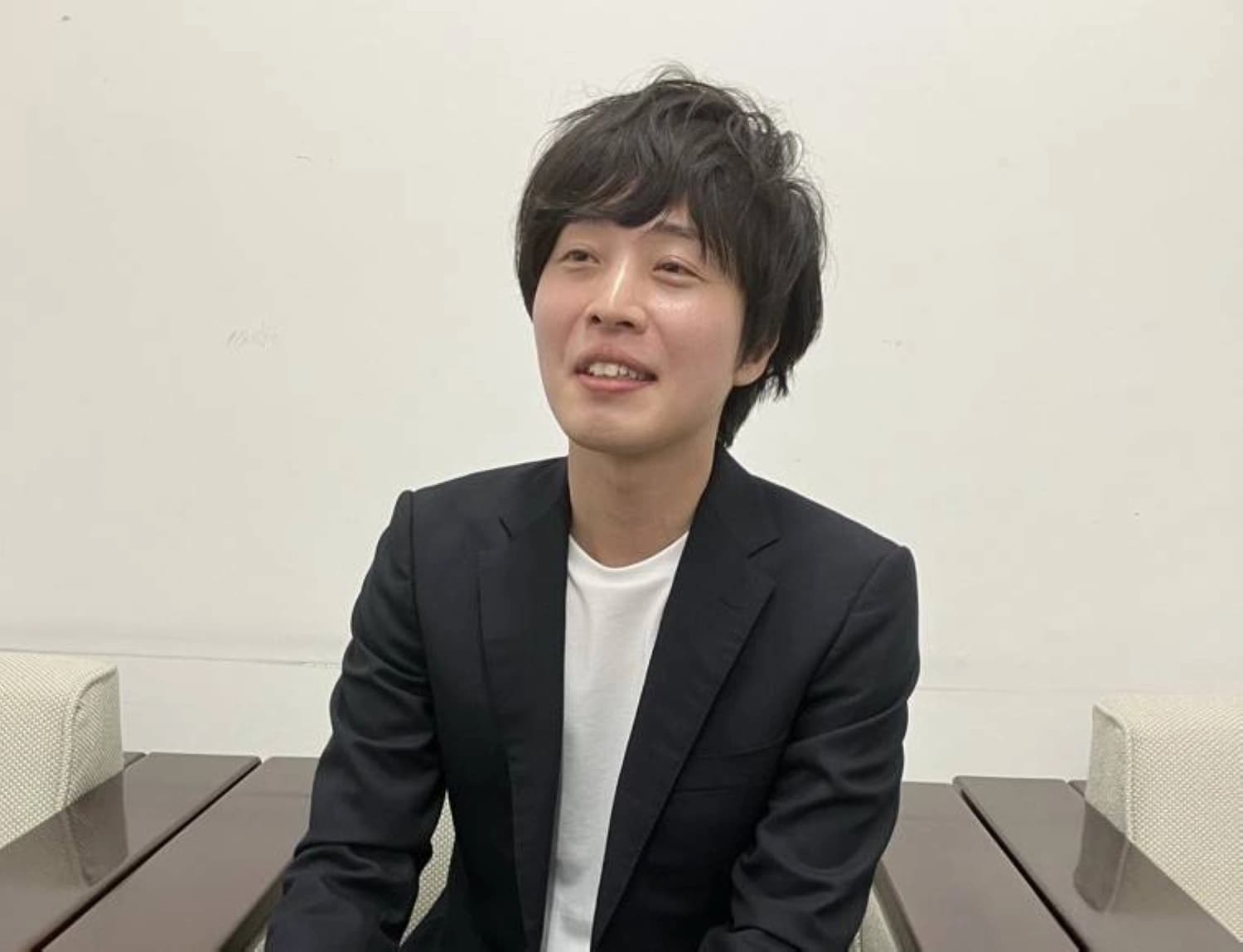
Kenshiro Mori spent fifteen years proving that adults will keep learning if the lessons are good enough. In April the 39 year old founder of Schoo, a Tokyo based online learning platform, set up a second company in the city of Fukuoka on a larger bet, that the same appetite for continuous learning can be turned into an engine for regional economic growth rather than a private hobby for ambitious workers.
The new firm, called Lolll, is built to connect people with the companies that need them. It supports partnerships among local businesses, helps draw workers out of the big cities, and runs matching services between talent and employers. Mori chose Fukuoka, he says, because the city carries a sense of optimism that its economy will keep expanding, a mood he thinks encourages people to keep studying and gives them the confidence to try something new.
From a dull training video to a company
The origin story is almost too neat. After graduating from Kindai University, Mori joined Recruit, the large Tokyo human resources group. About two years in he sat through an internal course on logical thinking that he had genuinely looked forward to, only to find the video lectures so lifeless that he later described the experience as an ordeal. His reaction was not to complain but to conclude that he could make learning videos far more engaging himself. He left Recruit and founded Schoo on his own within a month.
His first series was about entrepreneurship, a subject he wanted to understand himself, and his format was the thing that stuck. He invited startup founders into live, interview style sessions where viewers could listen and put questions to them in real time. Schoo has since grown into a platform of interactive live classes covering business skills, critical thinking, leadership, and management, backed by a library of more than 9,000 recorded lessons.
The regions were the customers all along
Getting there was precarious. Starting without savings, Mori once went three days eating nothing but candy someone had handed him. When he could no longer pay appearance fees, the entrepreneurs kept showing up for free and often bought him meals. What convinced him the business would survive was where the encouragement came from. It arrived from outside Tokyo, from people in the regions who valued the chance to hear directly from prominent founders, and to ask them questions, without traveling to the capital.
One letter stayed with him. A high school student in Nagoya had planned to attend a private university in Tokyo and enjoy campus life, then watched a Schoo lecture on the emerging space industry and changed course. The student studied hard, won a place at the University of Tokyo, and set out to work in a laboratory dedicated to space research. For Mori it was proof that a single lesson, delivered to someone far from the center, could redirect a life.
A model of collaboration, not just competition
That insight now shapes how he separates the capital from everywhere else. Tokyo's dense concentration of firms has sharpened the fight for business and for talent, and workers are increasingly judged on how fast they upgrade their skills. Mori counts himself in that contest and says he studies daily, like a workout, to keep up. Outside the capital, he argues, success depends less on competition and more on collaboration, and his Kyushu clients are the evidence.
In Hioki, a city in Kagoshima Prefecture, a partnership signed with Schoo has since October 2025 brought residents together at city hall over a six month program, blending face to face sessions with online study and nudging participants to build personal networks, all with the aim of giving younger people a reason to stay. Amami Oshima is another client. Both cases, Mori says, show municipalities and local businesses growing together rather than cannibalizing one another, and that is the pattern he wants to scale from Fukuoka across the wider Kyushu region.
Why the term still trails the trend
The idea Mori is selling has a name that Japan has not quite adopted. Recurrent education, the practice of returning to organized study after entering the workforce and alternating work with learning across a career, remains unfamiliar to most workers. In a 2024 survey of 400 employees by the Recruit Ed-tech Research Institute, 73.3 percent said they had never heard of the concept, another 22.5 percent knew the term but had never joined a program, and only 4.3 percent had actually taken part in one. Yet 35.2 percent said they were pursuing some form of self directed learning on their own, a hint that the behavior is running ahead of the vocabulary.
The read from Southeast Asia
Strip away the Japanese specifics and Mori is testing a question that matters across Southeast Asia, where secondary cities watch their most capable young people leave for the capital and rarely return. His wager is that lifelong learning, delivered locally and tied to real employers, can slow that drain by giving people a reason to build careers where they already live. If a Fukuoka model can combine Tokyo's competitive intensity with a regional habit of cooperation, as he intends, it becomes a case study for Jakarta's satellite cities, for the Philippines beyond Manila, and for any economy trying to keep talent and spending from pooling in one place.
None of this is guaranteed. Lolll is months old, the demand for formal reskilling is still thin, and turning goodwill in Kyushu into a repeatable business is harder than diagnosing the problem. What makes the experiment worth following is its premise, that education is not only a personal investment but a form of regional infrastructure. For a region of Asia wrestling with the same lopsided geography of opportunity, that is an idea with a long reach.