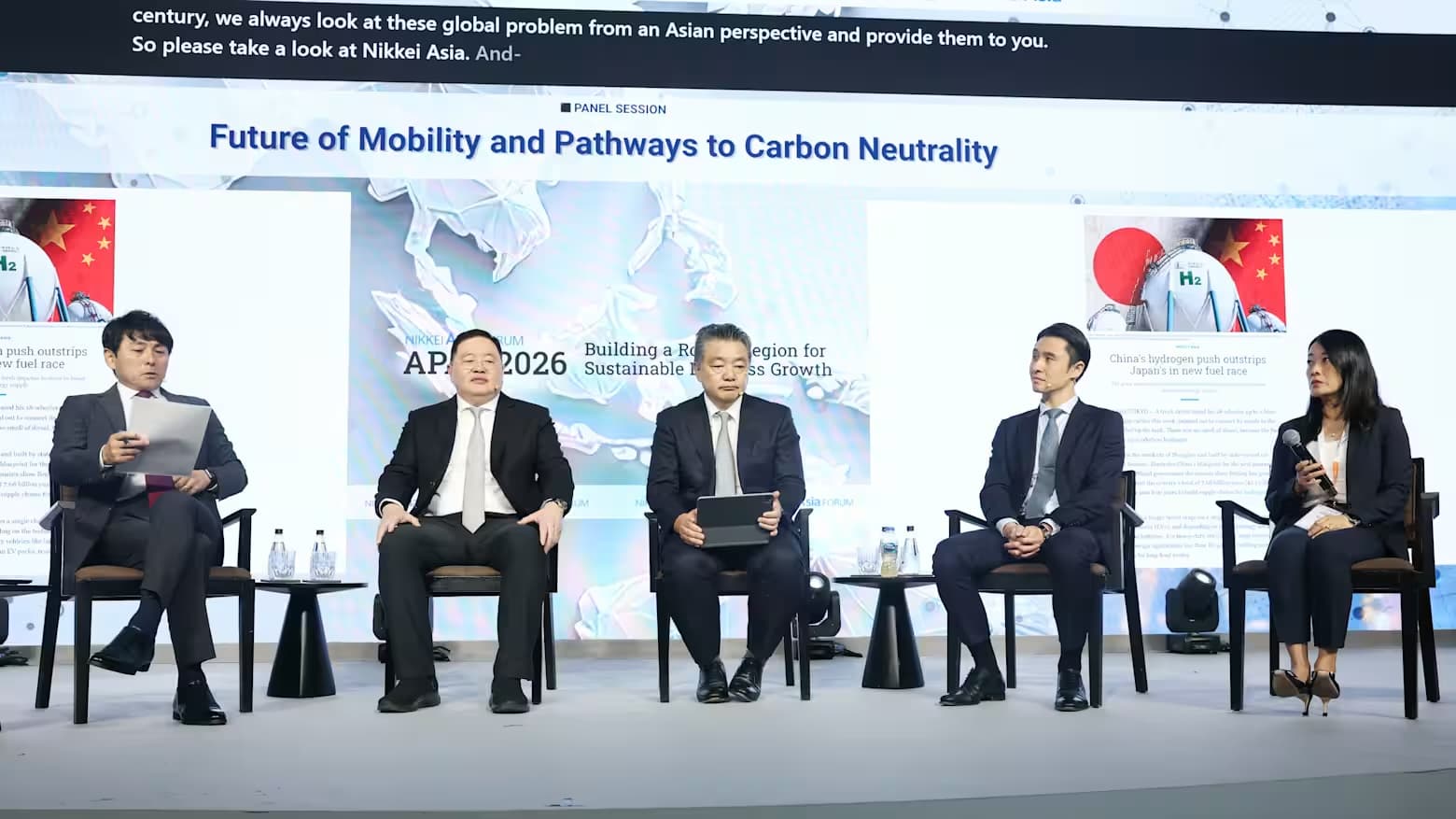
Some of Asia's biggest names in mobility used a stage in Bangkok to send a clear message. The shift to cleaner energy in transport is getting harder, and they intend to press ahead anyway. Speaking at the Nikkei Asia Forum APAC 2026 on July 16, senior figures from China's Didi Global, Japan's Toyota, and Thailand's SCG made the case that recent turbulence in energy markets is a reason to accelerate the transition rather than pause it.
The panel, titled the future of mobility and pathways to carbon neutrality, brought together companies that sit at very different points in the transport chain, from ride hailing to carmaking to industrial materials. What united them was a shared reading of the moment. Supply security has moved to the center of the conversation, and that shift is reshaping how each of them thinks about oil, electricity, and the fuels in between.
Energy security becomes the argument
For much of the past decade the pitch for cleaner transport leaned on climate goals and falling technology costs. In Bangkok the executives added a harder edged rationale. Disruptions linked to tensions around Iran have reminded the region how exposed it remains to oil that is priced and shipped far from home. Against that backdrop, diversifying away from a single fuel starts to look less like an environmental choice and more like a matter of basic resilience.
The logic is straightforward. A company that can draw on electricity, hydrogen, and other sources is less hostage to any one supply shock than a company that runs on oil alone. That is the frame the panel returned to repeatedly, casting the energy transition as a way to buy insurance against the next disruption rather than a cost to be endured.
Didi and Toyota, two roads to the same goal
Didi Global, represented by strategy partner Joanne Xu and director Ryuji Tomoe, approaches the problem as a platform that moves millions of riders. For a ride hailing network, cleaner energy is a question of the vehicles on the road and the electricity that charges them, and the company has every incentive to nudge its fleet toward lower emission options as those choices become cheaper and easier to source.
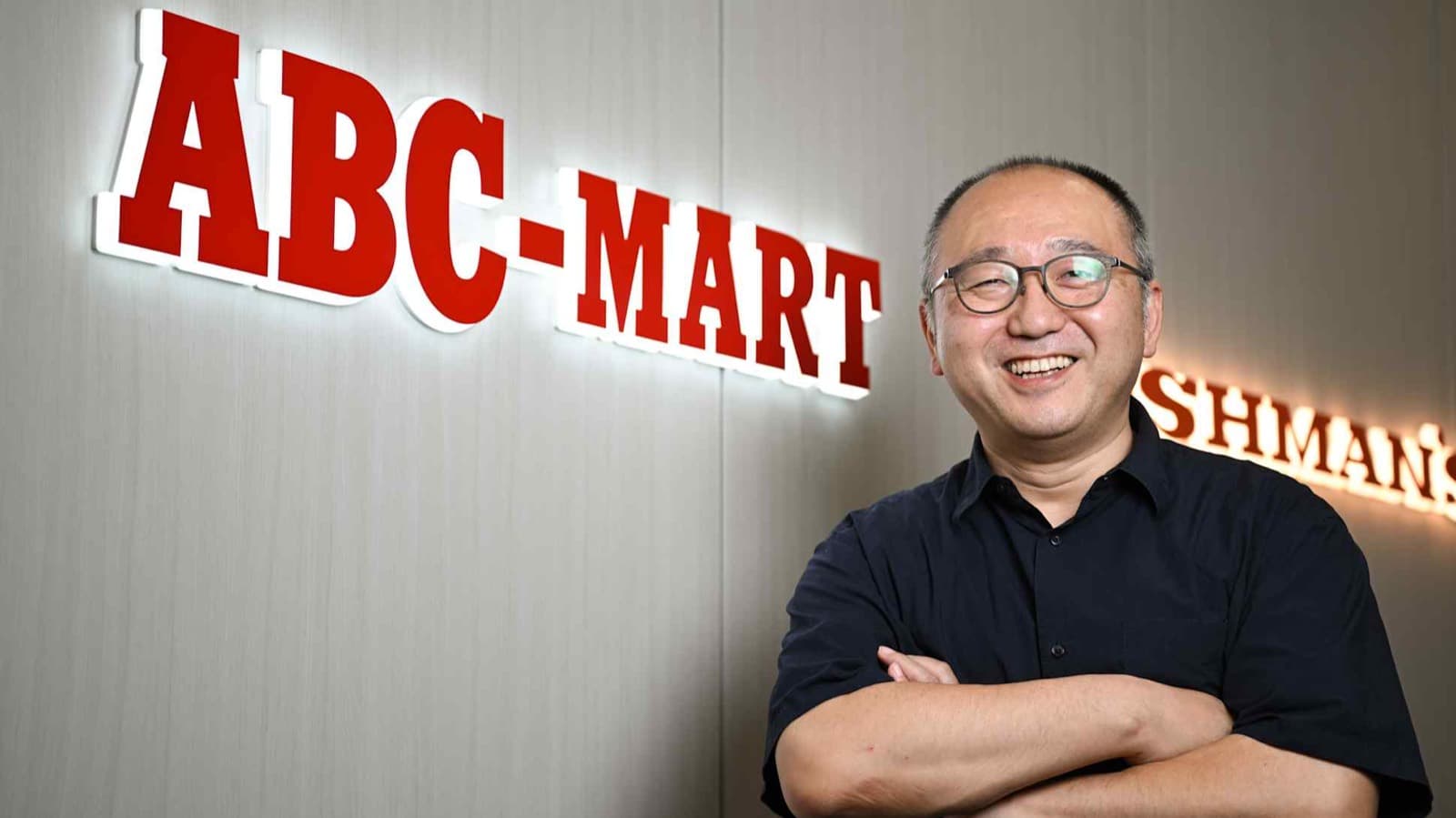
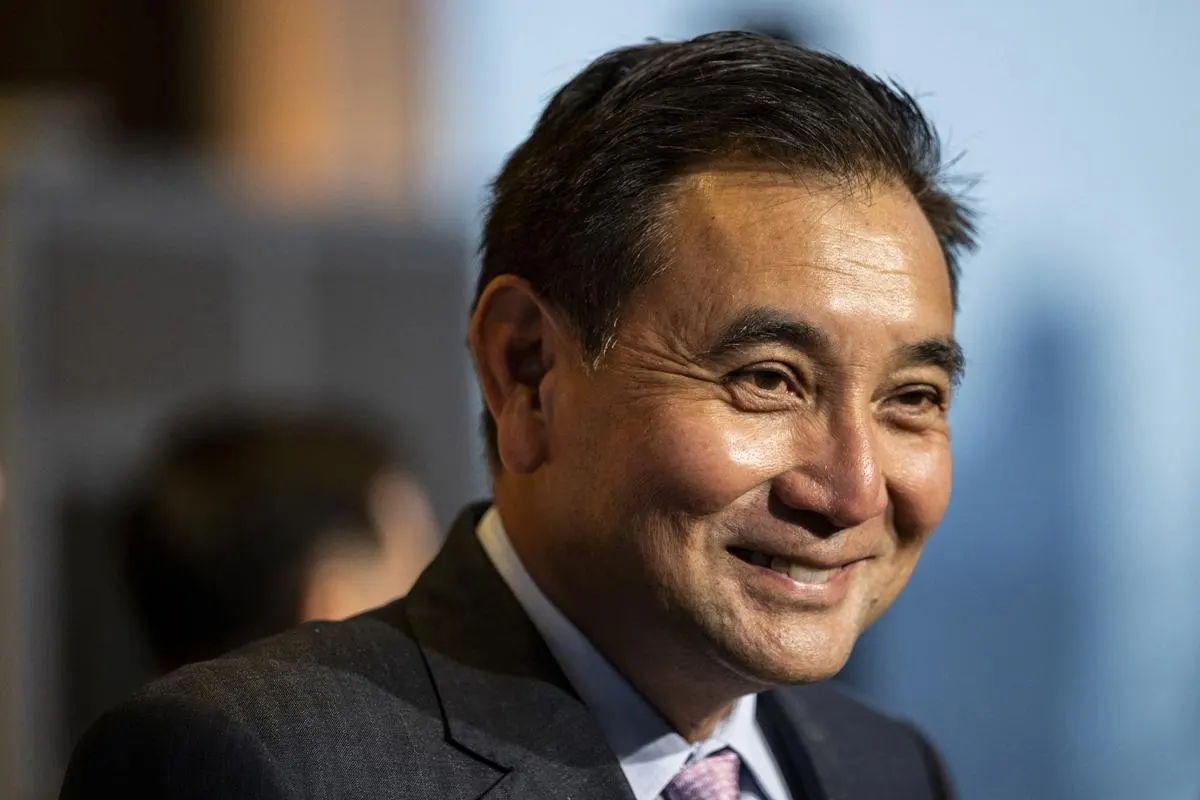
Toyota, whose Asia operations are led by chief executive Masahiko Maeda, comes at it from the factory floor. The carmaker has long argued for more than one path to lower emissions, spreading its bets across battery electric vehicles, hybrids, and hydrogen rather than committing to a single technology. In a region where charging networks and grids vary widely from country to country, that many roads approach is pitched as a way to keep progress moving even where any one solution is not yet practical.
Industry and the wider supply chain
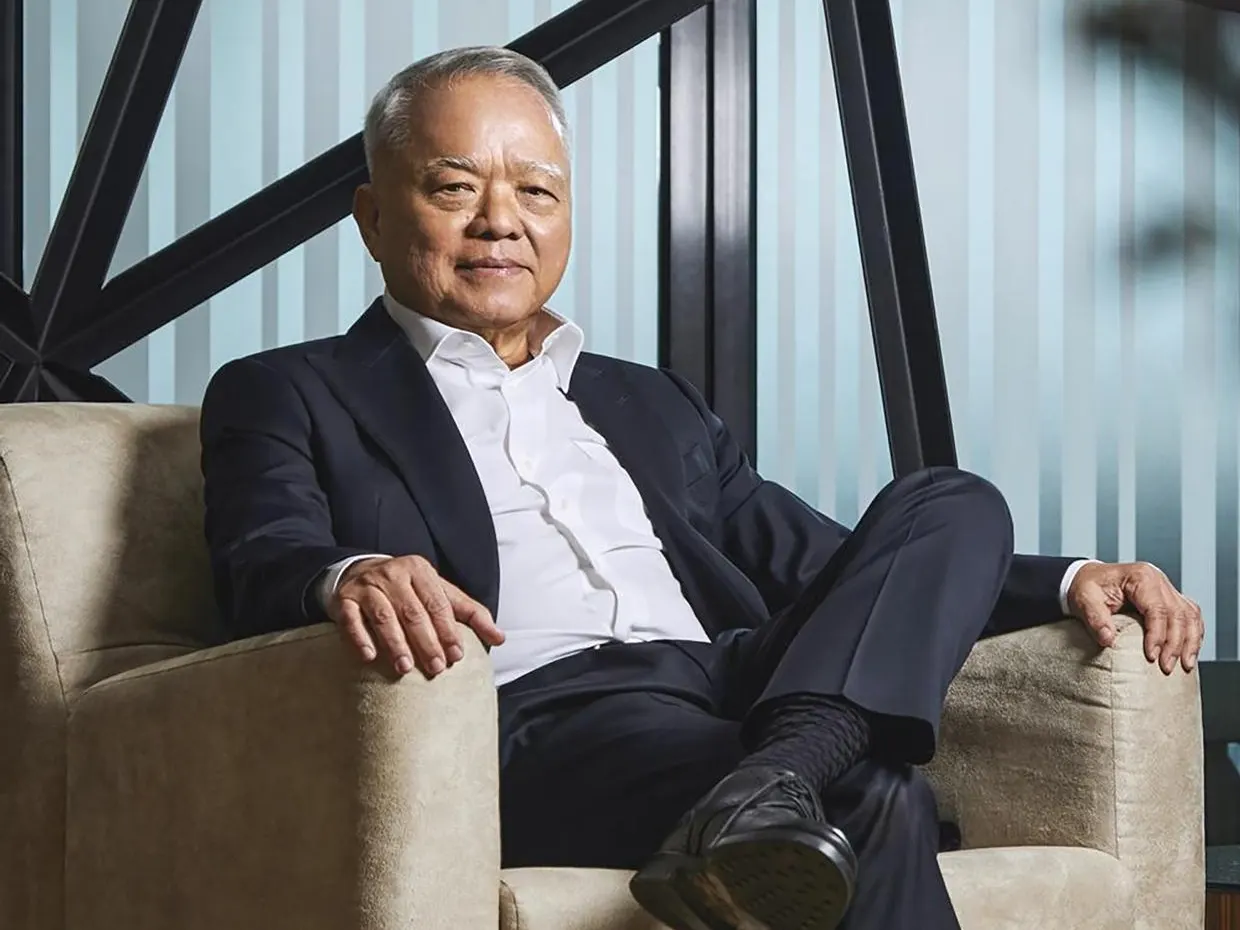
Rounding out the discussion was Thammasak Sethaudom, chief executive of the Thai industrial group SCG, a reminder that the transition reaches well beyond the vehicles themselves. Cleaner mobility depends on materials, manufacturing, and infrastructure, and companies that supply those inputs are being pulled into the same rethink. The moderator, Nikkei Asia editor in chief Akito Tanaka, framed the session around how the region can build a resilient base for sustainable growth.
That framing captured the tension running through the whole event. The direction of travel is not in doubt, but the road is uneven. Grids need upgrading, charging and refueling networks are patchy, and the economics still favor oil in many corners of the market. The executives did not pretend otherwise. Their point was that the hurdles are arguments for building faster, not for standing still.
What it signals
The value of a panel like this is less in any single announcement than in what it reveals about corporate mood. When rivals from China and Japan, and a heavyweight industrial player from Thailand, all describe the same set of pressures and reach the same conclusion, it suggests the transition has moved past the question of whether and on to the question of how fast.
For Southeast Asia, which sits in the middle of these supply chains and consumes a growing share of the region's energy, the stakes are direct. If the companies that build and move the region's vehicles keep pushing toward cleaner fuels even through a rough patch, the countries that host their factories, fleets, and grids will feel the effects first. The message from Bangkok was that the push is set to continue, hurdles and all.