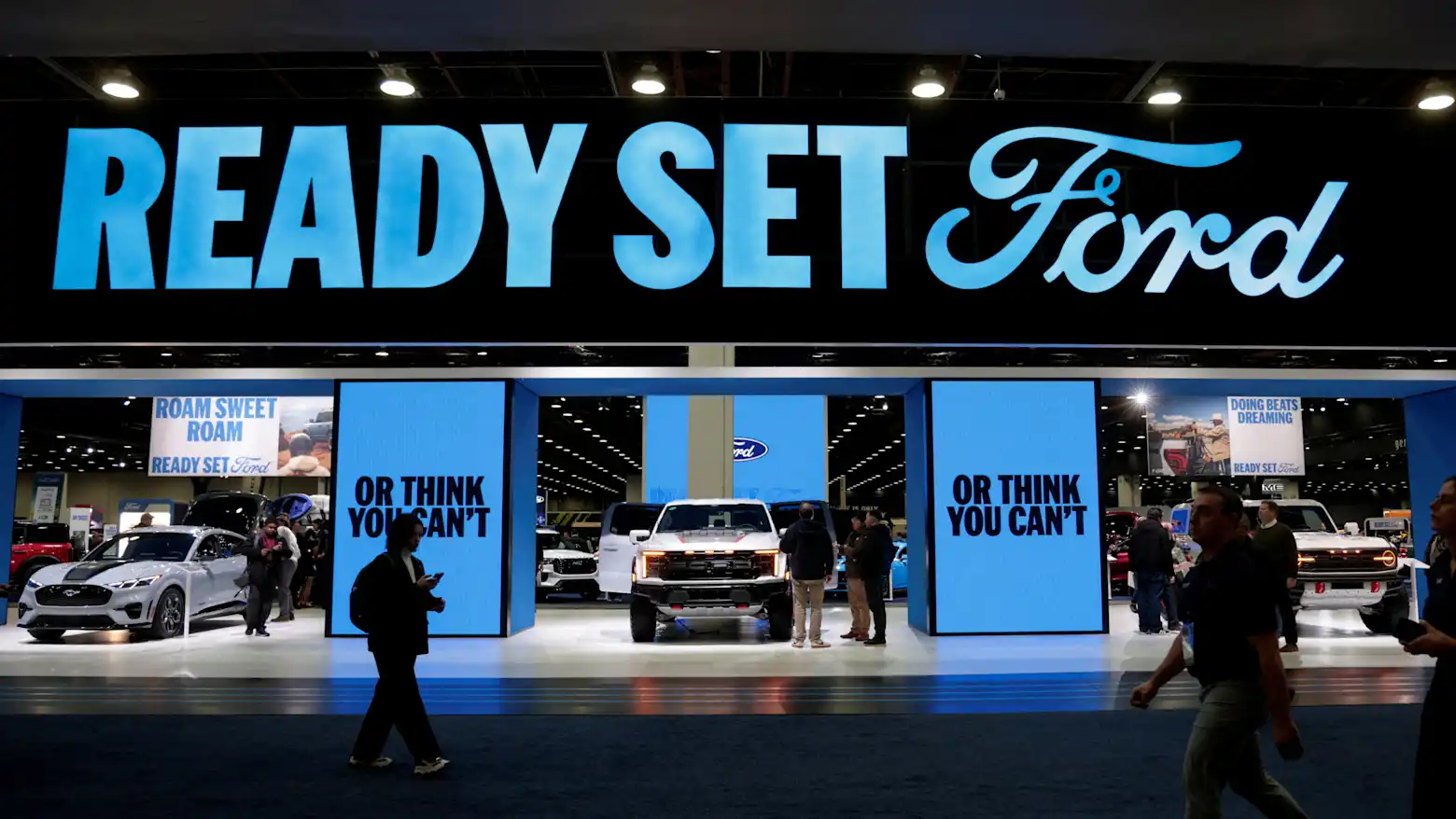
Ford says it intends to take on Chinese automakers like BYD head-on by competing directly at their price point, rather than trying to out-premium or out-feature its way around the threat they pose. The centerpiece of that plan is a new low-cost vehicle platform the company is developing, alongside a cheaper pickup truck that has not yet been named or priced, both aimed squarely at closing the cost gap that has let Chinese manufacturers undercut legacy automakers on price while still matching or beating them on features.
Why price, not just product, became the battleground
For years, the standard response from established automakers to Chinese competition was to lean on brand reputation, dealer networks, and incremental feature advantages. That playbook has struggled against a wave of Chinese EV and hybrid models that arrive with aggressive pricing baked in from the start, a structural cost advantage built on vertically integrated battery supply chains and manufacturing scale that legacy automakers have found difficult to replicate. Ford's shift suggests the company has concluded it cannot out-market its way past that gap, it has to close it directly on cost.
Turning to Chinese partners to beat Chinese rivals
The more striking part of the strategy is where Ford is turning for help: partnerships with Chinese companies Geely and JMC, aimed at gaining manufacturing and supply chain expertise. There is an obvious irony in a Western automaker leaning on Chinese industry knowledge to build a vehicle meant to compete against Chinese price leadership, but it also reflects a practical reality. The fastest way to understand how a low-cost vehicle gets built profitably at Chinese price points may be to work directly with companies that have already solved that problem at scale.