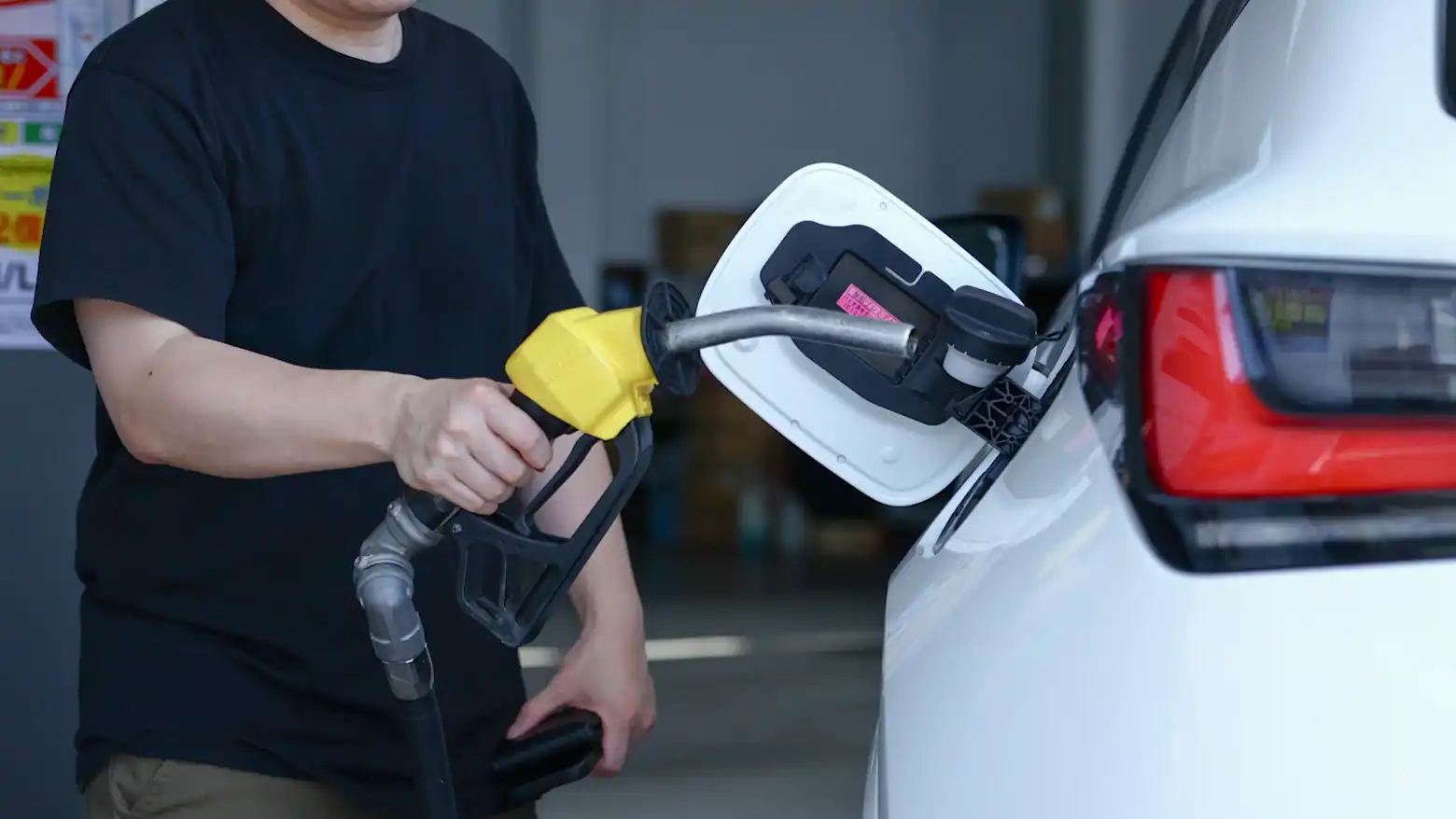
Gasoline vehicles have just lost a crown they have held since the automobile became a mass market product more than a century ago. New sales figures show gas powered cars accounted for less than half of global new vehicle sales during the January to June period of 2026, the first time that threshold has ever been crossed. For an industry built almost entirely around the internal combustion engine for generations, a milestone like this is less a data point than a genuine turning point.
What makes the timing notable is the force behind it. The shift was driven in large part by high oil prices triggered by conflict in the Middle East, pushing up the cost of actually running a gasoline car at exactly the moment buyers were weighing their next vehicle purchase. Electrified alternatives, cheaper to operate even when they cost more upfront, suddenly looked like the more rational choice to a much wider swath of car buyers than before.
A geopolitical shock doing the work climate policy alone could not
For years, the transition away from gasoline vehicles has been driven primarily by government incentives, emissions regulations, and automaker commitments to electrification, a slow grind that has moved at different speeds across different countries. What this milestone suggests is that a sudden spike in the cost of actually owning and running a gas car, caused by geopolitical conflict rather than policy, can move the needle faster than years of subsidies and mandates combined. Pocketbook economics, in other words, turned out to be a more effective converter of buyer behavior than environmental argument alone.
More than a decade in the making, arriving all at once
The milestone caps a buildup that automakers have been positioning for across the board. Companies long associated with gasoline engines, Toyota and Honda among them, have been expanding hybrid and electrified lineups for years, while newer entrants built around electrification from the start, led by companies like BYD, have been taking market share with increasing speed. Even traditional American manufacturers like Ford and GM have been pouring resources into electrified models as the writing on the wall became harder to ignore. The first half of 2026 is the moment all of that preparation collectively tipped the global market past the halfway mark.
Why the line, once crossed, is unlikely to move back
Market share milestones like this one tend to be sticky rather than temporary, since they reflect both a structural shift in available vehicle lineups and a genuine change in buyer habits once people experience lower running costs firsthand. Oil prices could certainly ease at some point, removing part of the immediate financial pressure that pushed this milestone over the line, but automakers are unlikely to reverse years of electrification investment in response, and buyers who have already made the switch rarely go back to a gasoline vehicle by choice.
What it means for the region
Southeast Asia has been one of the more closely watched battlegrounds in the broader shift away from gasoline vehicles, with Chinese EV makers in particular expanding aggressively across the region's car markets in recent years. A global milestone like gas vehicles falling under half of new sales adds weight to the argument that Southeast Asian buyers weighing an electrified vehicle today are not betting on a fringe technology, they are catching up to where the rest of the global auto market has just arrived.