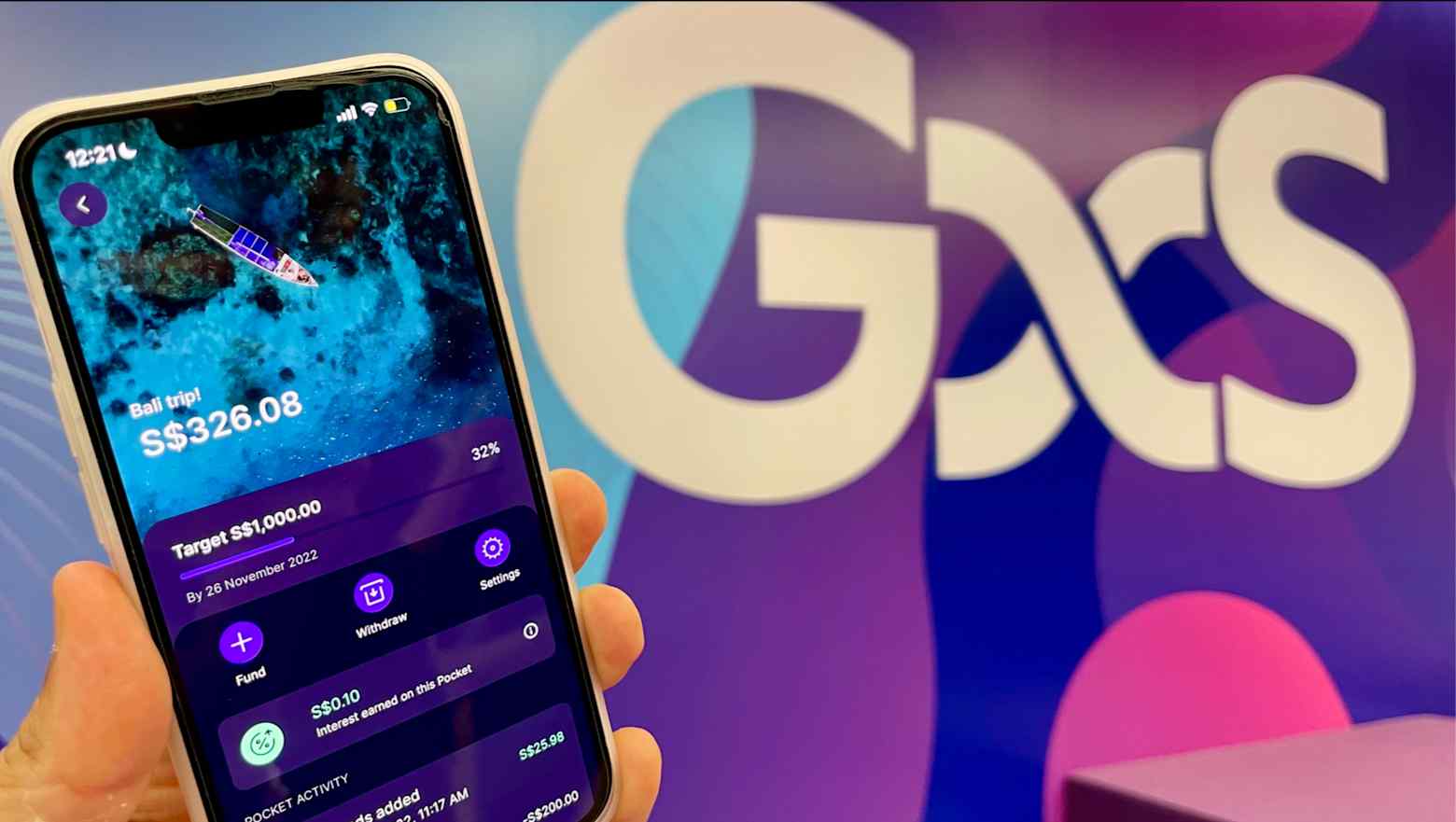
GXS, the digital banking group backed by Grab and Singtel, is closing the gap to profitability, and it is doing so by rewriting what kind of lender it wants to be. The company narrowed its loss in 2025 after stepping up a push into corporate credit, a move that has turned a business once built almost entirely around everyday consumers into one that increasingly serves small companies.
The shift is striking in its speed. Loans to businesses now account for more than 40 percent of the group's total lending, a share that would have been hard to imagine when the bank launched with savings pockets and simple consumer accounts. That pivot is the clearest sign yet of how Southeast Asia's digital banks are searching for a durable path to profit after years of building scale.
From consumer app to business lender
GXS made its name with a slick mobile experience aimed at individual savers in Singapore and Malaysia. The savings features, goal based pockets, and low friction accounts were designed to win over retail users who had grown up on Grab's ride hailing and payments apps. That consumer base gave the bank reach, but retail lending alone is a slow and thin margin road to profit.
Corporate lending changes the math. By extending credit to small businesses, the bank can put more capital to work at better yields, and it can build deeper relationships with customers who borrow, transact, and hold deposits all in one place. The trade off is risk, since business loans demand sharper underwriting than a consumer savings account, but the reward is a faster route to the black.
Chasing an underserved market
The strategy leans on a real gap in the market. Across Southeast Asia, large numbers of small firms struggle to borrow from traditional banks, which often see them as too small, too informal, or too costly to serve. Digital banks argue they can reach these companies more cheaply, using data from payments and transactions to judge creditworthiness where paper records fall short.