Vietnam is preparing to open its infrastructure ambitions to the world. The government is targeting close to 1.5 trillion dollars of investment across the next decade, a sum far larger than its domestic banking system can supply on its own, and it wants international investors to help close the gap. Officials expect to begin courting that global capital in earnest from 2027.
The scale of the plan reflects the pace of the economy behind it. Vietnam grew 8.39 percent in the second quarter of 2026, one of the fastest rates in the region, and that growth is straining the roads, ports, airports, and power networks that carry it. The country has set itself the goal of reaching high income status by 2045, and it sees a decade of heavy building as the bridge to get there.
Why domestic money is not enough
For years Vietnam has leaned on state banks and public budgets to fund its expansion. That model has limits. A program approaching 1.5 trillion dollars would overwhelm local lenders and crowd out other borrowers if it were financed at home alone. By inviting foreign pensions, funds, and infrastructure investors into the mix, Hanoi hopes to spread the risk, deepen its capital markets, and tap pools of long term money that match the long life of the assets being built.
The shift is as much about plumbing as it is about headline numbers. Attracting global capital at this size requires clearer rules, deeper bond markets, and channels through which overseas money can flow in and returns can flow back out with confidence. That is the practical work now getting under way.
A financial center to anchor the plan
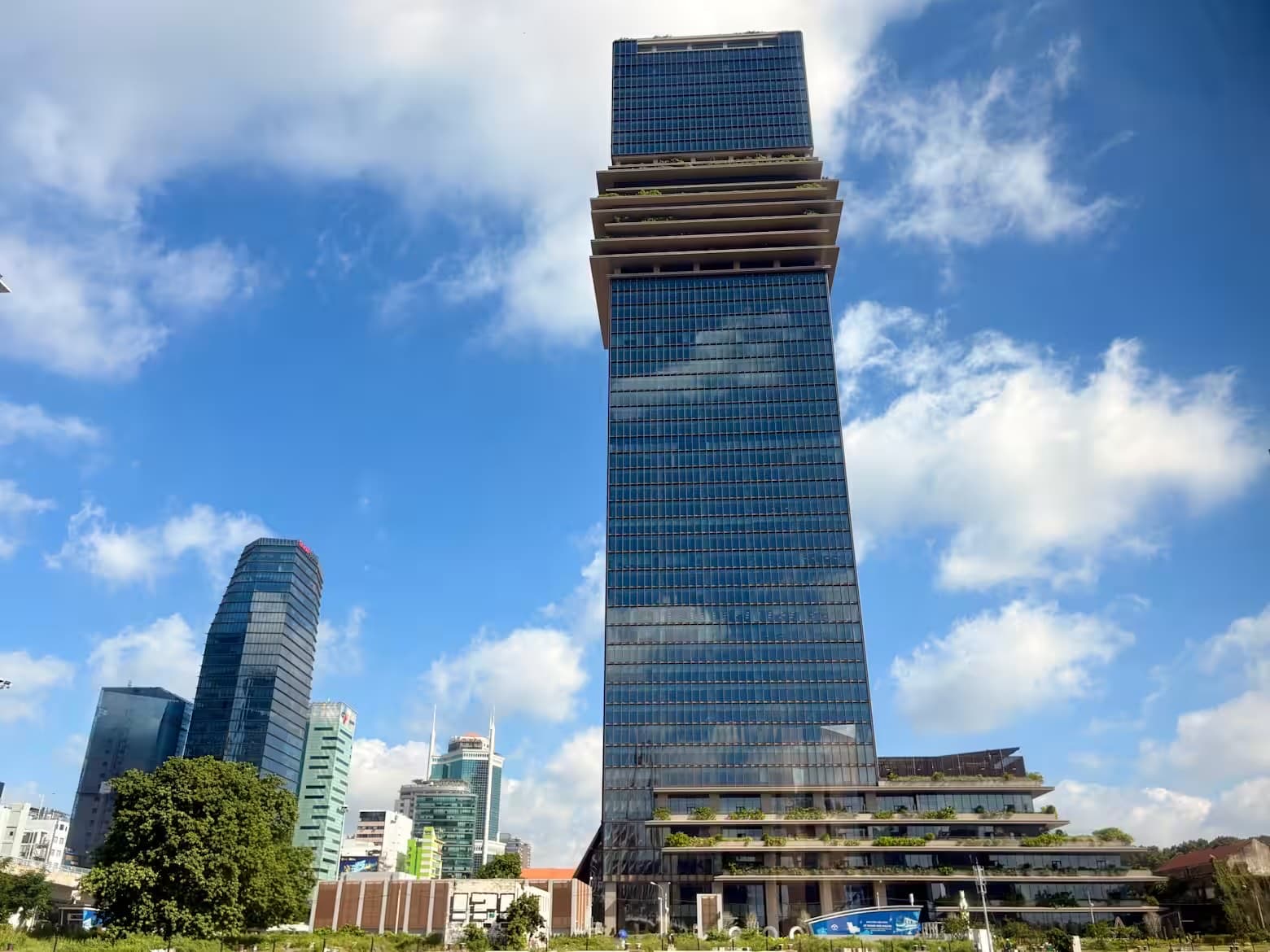
At the heart of the strategy sits a plan to build an international financial center, conceived as a dual city initiative rather than a single site. The most visible symbol so far is the Saigon Marina, a 55 story tower in Ho Chi Minh City that has been designated as a main building for the new center. The idea is to give foreign institutions a recognizable base inside Vietnam, with the legal and regulatory framework a global finance hub needs.