US and Chinese officials wrapped up talks on September 26 and 27 without producing the kind of deal some had speculated could open America's market to Chinese electric vehicles. On paper, that sounds like a setback for Chinese automakers eyeing US consumers. Analysts quoted around the talks see it differently, describing Chinese EVs reaching the American market as all but inevitable regardless of what happened, or did not happen, at the negotiating table.
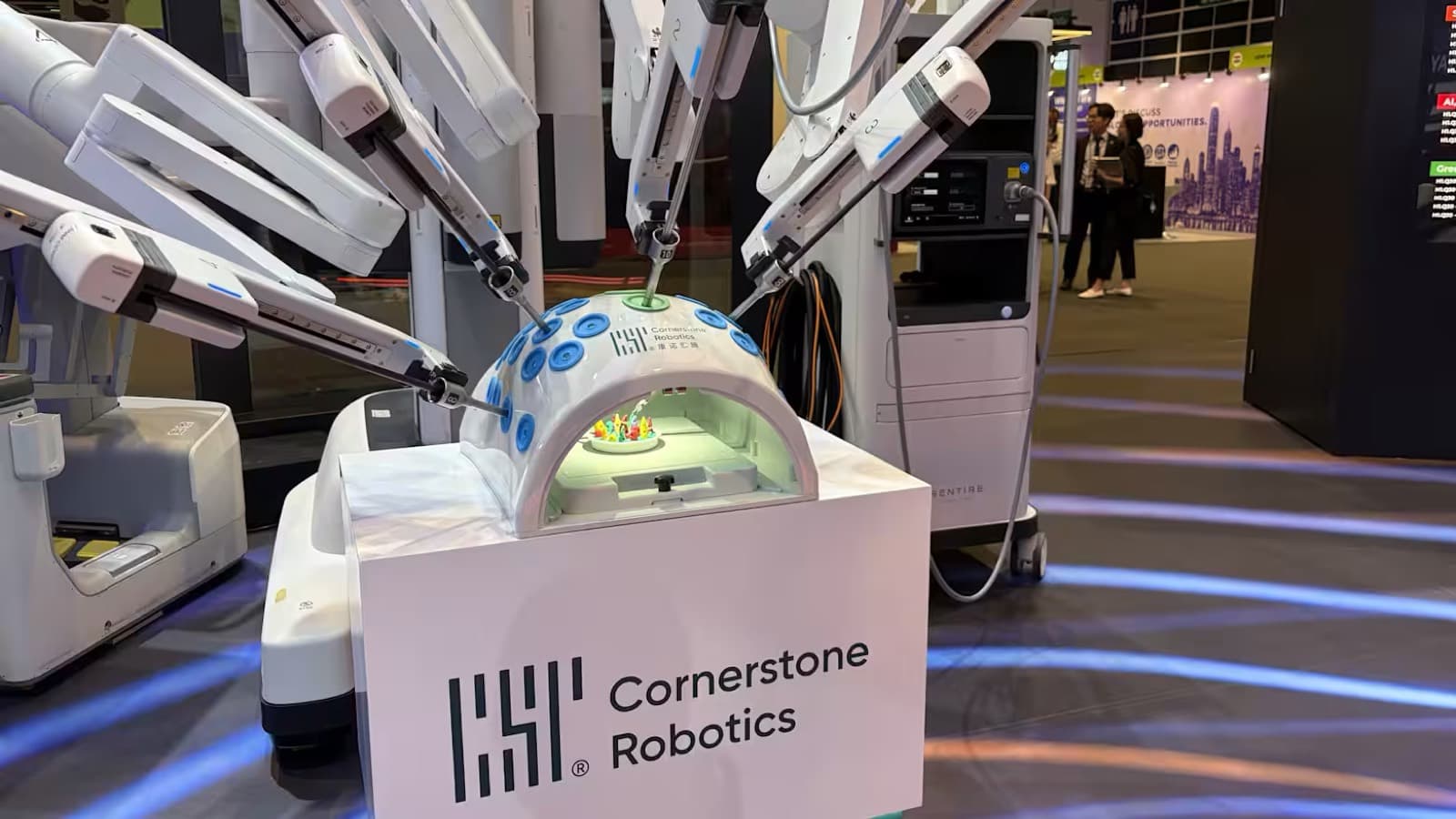
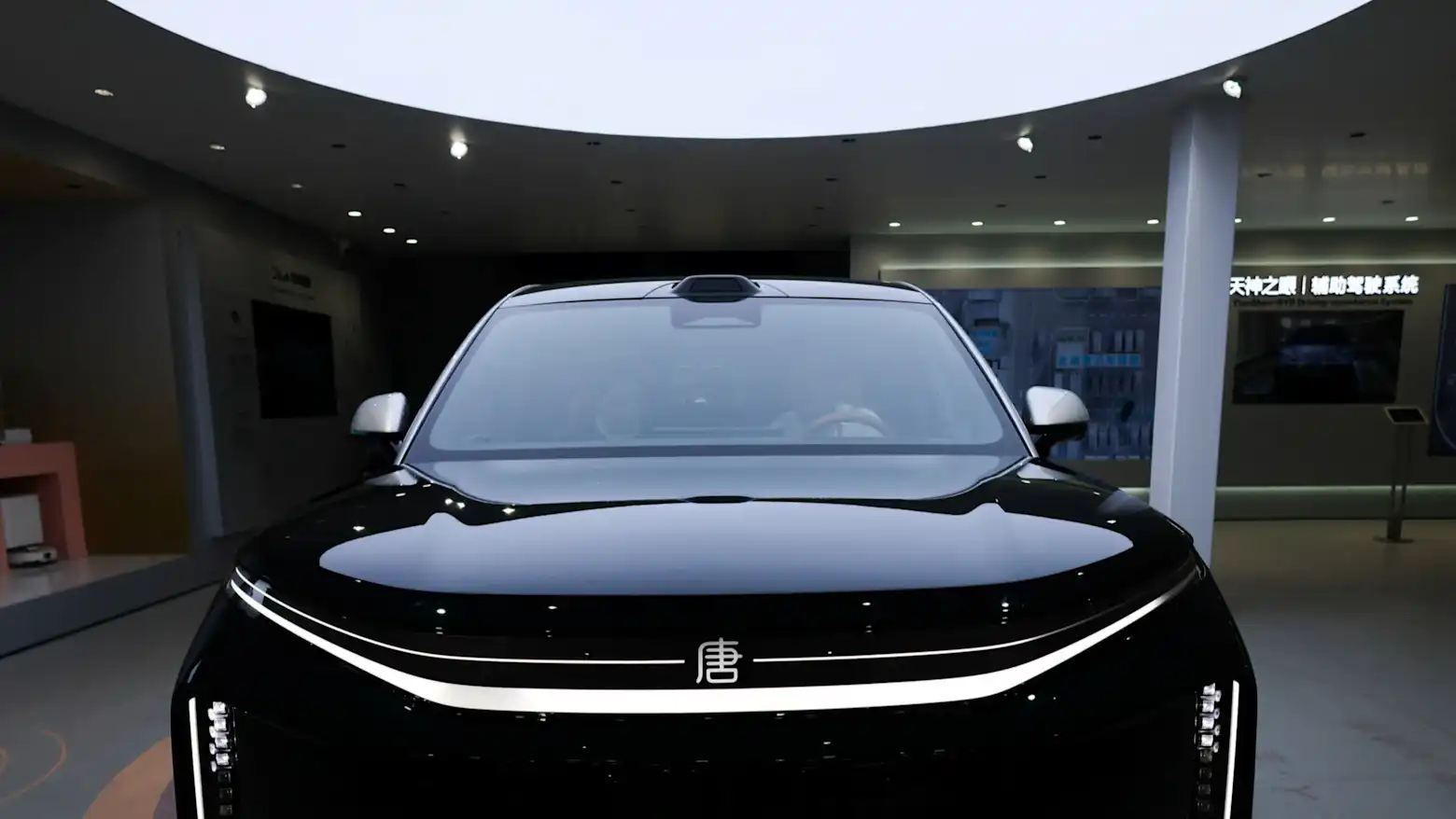
That confidence rests on momentum that already exists well outside the US. BYD, China's largest EV maker, has set a target of 2 million overseas sales for 2026, backed by strong performance in markets like Brazil and across Europe. Leapmotor, a newer name to many Western consumers, has already overtaken established brands Subaru and Mitsubishi Motors in global sales rankings, a striking marker for a company that barely registered internationally a few years ago. Even startups like Neolix, focused on delivery vehicles, are carving out their own niches in the broader Chinese EV export wave.
Why a missed summit deal is not the whole story
The weekend's talks were not entirely fruitless. Negotiators reached a tariff relief agreement covering 30 billion dollars of nonsensitive goods from each country, a sign that trade tensions between Washington and Beijing are being managed on a category by category basis rather than resolved wholesale. Electric vehicles simply were not part of what got resolved this round, but analysts' read is that the broader direction of trade normalization, even piecemeal, tends to widen the paths available for Chinese products to eventually reach American consumers.
The economic pull working in China's favor
Part of what makes analysts so confident is a straightforward affordability argument. Rising inflation has pushed up prices across the US auto market, squeezing budget conscious buyers who might otherwise be priced out of an EV entirely. Chinese automakers have built their global growth strategy around exactly that gap, offering electric vehicles at price points that undercut established brands, and that value proposition does not disappear just because one round of trade talks failed to formalize market access.
Barriers bend, they rarely hold forever
History suggests that when a large, well capitalized industry wants into a market and has a genuine cost advantage, formal barriers tend to get worked around rather than simply respected indefinitely, whether through local manufacturing, joint ventures, or shifting where vehicles are actually assembled. The article's analysts are effectively betting on that pattern repeating, expecting Chinese EV makers to find their way into the US market in some form even without an official green light from a summit.
What it means for the region
Southeast Asia has already lived through an accelerated version of this story, watching Chinese EV brands rapidly capture market share across the region's auto markets in recent years. If Chinese automakers can eventually crack the US market on the strength of the same affordability and scale that worked in Southeast Asia, it validates the export playbook Chinese EV makers have been running region by region, and gives Southeast Asian markets an early preview of a competitive dynamic the US auto industry is only now bracing for.