The first full week of August gives investors across Asia plenty to track at once, with a run of diplomacy, corporate results, and macro data landing alongside the return of Taiwan's biggest military exercise. Southeast Asia sits near the center of most of it, from a Thai charm offensive in Jakarta to a torrent of Singapore bank earnings, so here is how the days shape up.
Thailand works the neighborhood
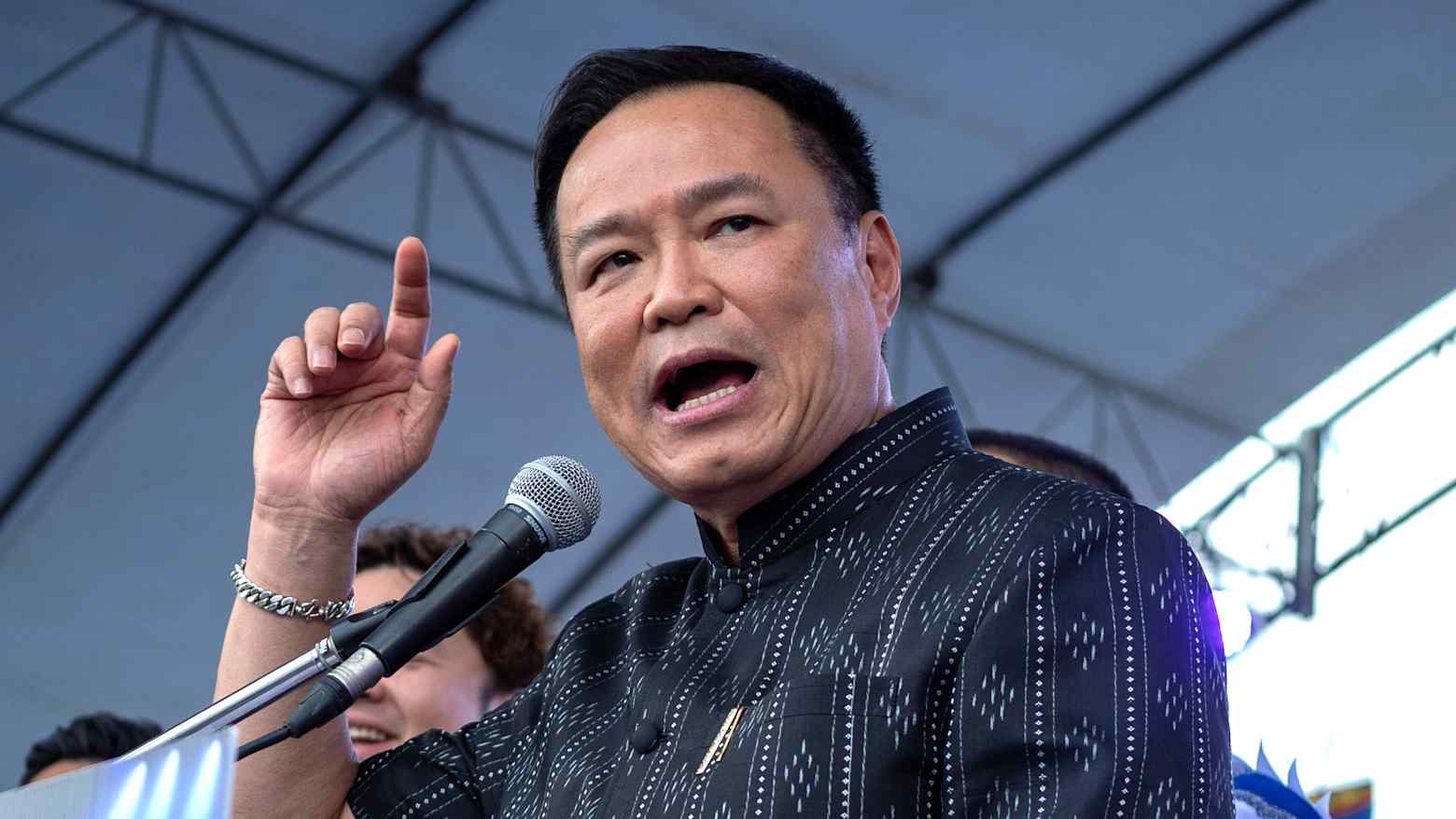
Thai Prime Minister Anutin Charnvirakul opens the week with a two day official visit to Indonesia starting August 3, where he is due to meet President Prabowo Subianto. The agenda spans security, transnational crime, trade and investment, and food and energy security, along with the softer work of people to people ties. The headline deliverable is expected to be a strategic partnership roadmap covering 2026 to 2030, an upgrade on the framework the two countries agreed last year and a marker of how seriously Bangkok is courting the region's largest economy.
Anutin's diplomacy does not end there. Later in the week he is set to host Myanmar's leader Min Aung Hlaing, in a meeting expected to cover cross-border trade, regional security, and the contamination of the Kok River, a 285 kilometer waterway that flows out of Myanmar and into northern Thailand. The pollution issue has become a live irritant in a relationship already complicated by the turmoil across the border, and it puts Thailand in the awkward role of both neighbor and negotiator.
Indonesia's central bank in focus
The most consequential domestic event may be quieter. Indonesia's financial stability committee holds its quarterly meeting, and this one carries unusual weight because it is the first gathering since the resignation of Bank Indonesia Governor Perry Warjiyo, and the first to include the sovereign wealth fund Danantara at the table. Markets will read it closely for signals on the rupiah, inflation, capital flows, and how smoothly fiscal and monetary policy are being coordinated during a leadership transition at the central bank.
The data calendar fills in the rest of the regional picture. Inflation prints are due from Indonesia, Vietnam, South Korea, the Philippines, Taiwan, and Bangladesh across the week, with trade figures from Indonesia and growth readings from Indonesia and the Philippines. China rounds things off with trade data and an inflation release, keeping attention on whether demand in the region's largest economy is firming or fading.
A wall of earnings
Corporate results arrive in bulk. In Japan, Nissan and Mitsubishi Motors report April to June numbers into a difficult backdrop of fierce competition from newer players, the threat of United States tariffs, and the ripple effects of conflict in the Middle East. Nintendo and SoftBank Group also report, giving a read on consumer technology and on the sprawling investment empire's latest swings.
For Southeast Asia the bank prints matter most. Singapore's three lenders, DBS, UOB, and OCBC, all report, offering the clearest gauge of how the city's financial engine is holding up, and regional favourite Grab updates investors on its path to durable profit. Beyond the city, HSBC, Cathay Pacific, and others fill out a schedule dense enough that a single strong or weak set of numbers could set the tone for regional equities.
A big listing and a rate call
India supplies two of the week's set pieces. Manipal Health Enterprises, one of the country's largest private hospital chains with around 50 facilities built up through acquisitions, is set to list, in an initial public offering worth about 92.75 billion rupees, or roughly 968.7 million dollars. That would rank as India's second largest listing of the year and a fresh test of appetite for the country's healthcare growth story. Separately, India's central bank delivers a monetary policy decision that will shape sentiment across South Asian markets.
Taiwan runs its largest drills
On the security front, Taiwan begins its Han Kuang exercises around August 6, a ten day program that is the island's most extensive annual test of defense readiness. This year's scenario rehearses a Chinese force using military drills as cover for a surprise assault, and a central focus is whether Taiwan can relocate and keep running critical defense equipment production in a crisis. For a region whose supply chains run through the Taiwan Strait, the exercise is a recurring reminder of the tail risk sitting under Asian markets.
The thread that ties it together
Hanging over all of it is an unsettled global backdrop, with conflict involving the United States and Iran still disrupting energy markets. The International Energy Agency has noted that higher fuel prices and supply strains have been nudging buyers toward electric vehicles, a twist that feeds directly into the Japanese carmaker results due this week. For investors in Southeast Asia, the takeaway is that the local calendar of earnings, data, and diplomacy is playing out on top of forces set well beyond the region, and both layers will move prices.